



Fezy Napkins Franchise
Franchise Quick Facts
| Brand Name | Fezy Napkins |
|---|---|
| Industry / Business Category | Personal Care & Hygiene Products Distribution |
| Founded Year | 2022 |
| Franchise Started Year | Not specified (distribution-based model) |
| Total Franchise Outlets | 1 – 10 |
| Estimated Investment | INR 10,000 – 50,000 |
| Franchise Fee | Typically structured within distribution onboarding costs |
| Royalty Fee | Not structured as a traditional royalty; margins are distribution-based |
| Space Requirement | Flexible (home-based or small retail setup) |
| Staff Requirement | Minimal; can be owner-operated |
| Expected Payback Period | Depends on sales volume and distribution scale |
1. What is Fezy Napkins?
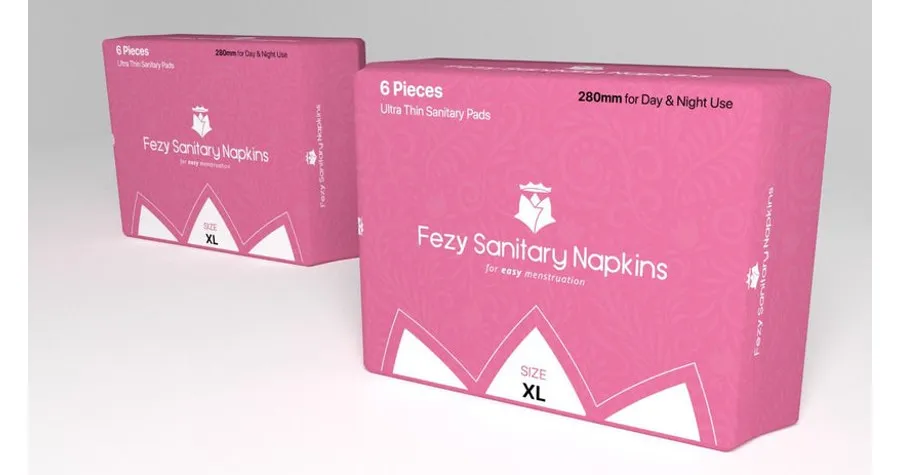
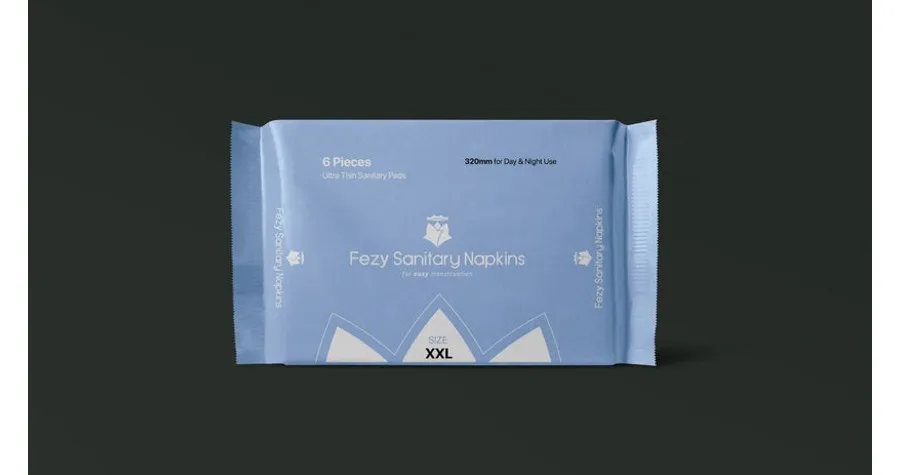
Fezy Napkins is a personal hygiene product brand operating in the menstrual care segment, offering cotton-based sanitary napkins distributed through a decentralized retail and distribution network.
The Fezy Napkins franchise functions primarily as a distribution and retail opportunity, allowing individuals to sell menstrual hygiene products through local networks rather than operating a conventional storefront franchise.
2. How the Business Works
The business operates through a multi-level distribution structure where individuals act as retailers, dealers, or distributors within defined areas.
Customers typically purchase products directly from local sellers, small retail outlets, or through community-based networks. The operational workflow involves sourcing products from the company, maintaining inventory, and distributing them to end users or smaller sellers.
Revenue is generated through margin-based sales, where partners earn income by purchasing products at distributor pricing and selling them at retail rates.
3. Products or Services Offered
The franchise focuses on menstrual hygiene products with specific functional attributes:
| Sanitary Napkins | Cotton-based products designed for daily and heavy-flow use |
|---|---|
| Absorbent Hygiene Products | Designed for high absorption capacity |
| Skin-Friendly Products | Materials aimed at reducing irritation |
| Eco-Conscious Variants | Products positioned around biodegradable or sustainable materials |
The product portfolio is centered on essential hygiene consumption with recurring demand.
4. How the Franchise Model Works
The model is structured as a flexible distribution system rather than a fixed-format franchise outlet.
Participants can operate as:
| Retailers | Selling directly to end consumers |
|---|---|
| Dealers | Supplying products to multiple retailers |
| Distributors | Managing a larger geographic supply network |
The franchise partner’s responsibilities include:
- Building a local customer or retailer network
- Managing inventory and product supply
- Promoting the product within their community
The brand supports product availability and distribution frameworks rather than managing physical outlets.
5. Franchise Cost and Investment Overview
Estimated Investment: INR 10,000 – 50,000
This low investment typically covers:
- Initial inventory purchase
- Basic storage or distribution setup
- Local marketing or outreach
In distribution-based models, earnings are driven by volume and margins rather than service pricing. Instead of a fixed royalty, revenue sharing is embedded in wholesale-to-retail price differences.
6. Space and Infrastructure Requirements
Space Requirement: Flexible; can be home-based or small storage space
Operational setup may include:
- Storage for product inventory
- Basic logistics for delivery or local distribution
- Optional small retail counter if operating as a seller
This model reduces the need for commercial real estate, making it accessible for small-scale entrepreneurs.
7. Training and Franchise Support
Support typically focuses on enabling distribution and product understanding:
- Product knowledge and usage guidance
- Basic onboarding for distribution roles
- Guidance on sales channels and local outreach
- Ongoing supply of inventory
Since operations are simple, training is generally focused on sales and distribution rather than technical service delivery.
8. Revenue Model and ROI Factors
Income is generated through margin-based resale of products.
Key revenue drivers include:
- Regular demand for menstrual hygiene products
- Repeat purchase behavior due to consumable nature
- Expansion of local distribution networks
- Volume-based sales growth
Return on investment depends on how effectively the partner builds a customer base and manages distribution scale rather than fixed service pricing.
9. Brand History and Expansion
- Established in 2022
- Operates with a small but growing distribution network
- Expansion strategy is based on onboarding local distributors and retailers
Growth depends on geographic expansion through individual partners rather than centralized outlets.
10. Key Advantages of the Franchise
- Low entry investment compared to traditional franchises
- Flexible operating model with home-based options
- Recurring demand for essential hygiene products
- Scalable distribution structure
- Minimal infrastructure and staffing requirements
11. Who Should Consider This Franchise
This opportunity may suit:
- First-time entrepreneurs with limited capital
- Individuals seeking home-based business options
- Small retailers looking to add hygiene products
- Distributors aiming to build local supply networks
Similar Franchise Opportunities
Investors exploring this category may also consider:
- Whisper
- Stayfree
- Sofy
- Nua
- Azah
What is the investment required for Fezy Napkins franchise?
The investment typically ranges between INR 10,000 and 50,000. This amount is mainly used to purchase initial inventory and set up basic distribution or retail operations, making it accessible for small-scale entrepreneurs.
How does the Fezy Napkins franchise business work?
The business operates through a distribution model where partners buy products and sell them within their local market. Income is earned through margins on product sales rather than service fees or commissions.
What space is required for the franchise?
There is no fixed requirement for commercial space. Many partners operate from home or use small storage areas, depending on the scale of their distribution or retail activity.
How long does it take to recover the investment?
The payback period depends on sales volume and network expansion. Since the products are consumable and frequently repurchased, faster recovery is possible with consistent sales and active distribution efforts.
How can investors apply for the franchise?
Interested individuals typically choose a role such as retailer, dealer, or distributor and begin by setting up their supply network. The onboarding process involves acquiring inventory and starting local sales operations. ## Similar Franchise Opportunities
