Dsifd India Franchise
Franchise Quick Facts
| Brand Name |
Dsifd India |
| Industry / Business Category |
Higher Education |
| Founded Year |
2004 |
| Franchise Started Year |
2014 |
| Total Franchise Outlets |
1–10 |
| Estimated Investment |
INR 2 Lakh – 5 Lakh |
| Franchise Fee |
INR 2,00,000 |
| Royalty Fee |
20% |
| Space Requirement |
1,000–5,000 Sq.ft |
| Staff Requirement |
Faculty and administrative staff for student support |
| Expected Payback Period |
2–3 Years |
1. What is Dsifd India?
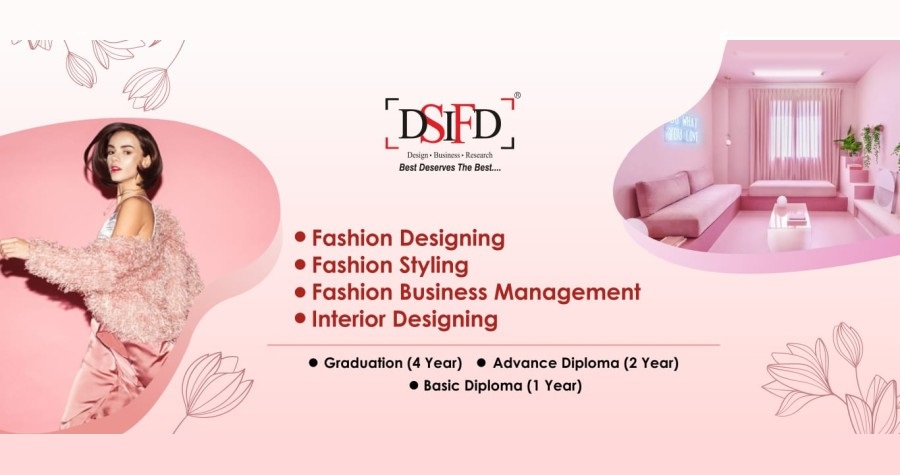
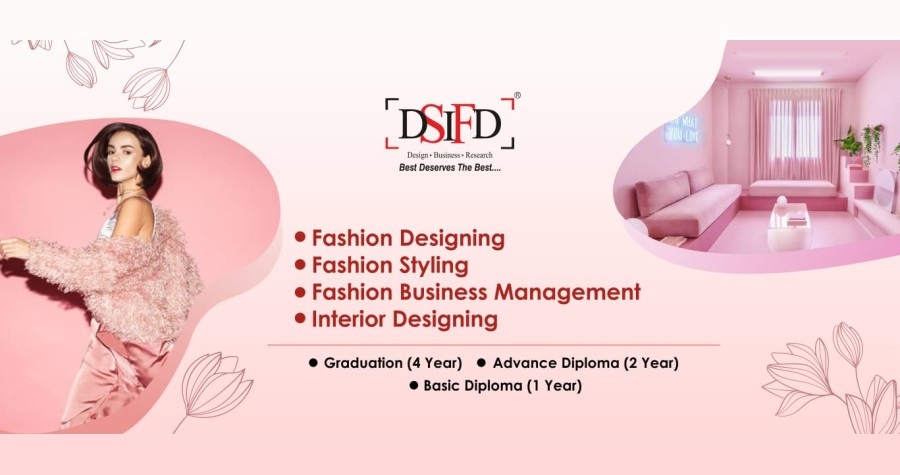
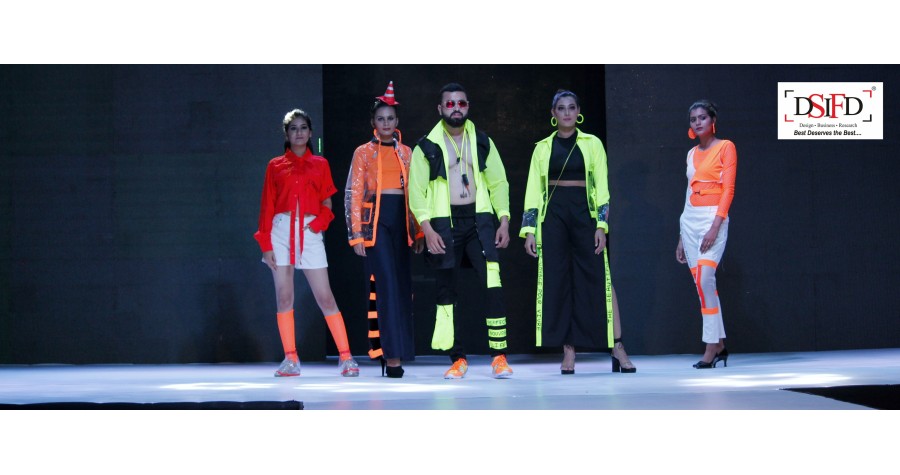
Dsifd India is an educational franchise specializing in fashion and interior design programs. The institute delivers a mix of theoretical and practical training, targeting students seeking professional skills in design. The franchise serves aspiring designers in India and internationally, leveraging experiential learning, industry partnerships, and research-driven methodologies.
2. How the Business Works
| Customer Interaction |
Students enroll in courses through the franchise outlet, either in-person or via the institute’s online application system. |
| Service Delivery |
Franchisees manage academic operations, including classroom instruction, practical workshops, and student support services. |
| Operational Workflow |
Daily operations include faculty scheduling, course delivery, student registration, assessment, and administration. |
| Revenue Generation |
Revenue comes from course fees, certification programs, workshops, and value-added services like design portfolio development. |
3. Products or Services Offered
| Fashion Designing Courses |
Training in apparel design, textiles, styling, and fashion trends. |
| Interior Designing Courses |
Programs covering space planning, materials, decor, and project management. |
| Workshops & Seminars |
Industry-led sessions for hands-on learning and portfolio development. |
| Certification Programs |
Recognized diplomas and certifications in fashion and interior design. |
| Online & Hybrid Modules |
Flexible learning options for students who require remote access. |
4. How the Franchise Model Works
| Role of Franchise Partner |
Operate a Dsifd India center, deliver courses, manage student engagement, and oversee daily operations. |
| Responsibilities of Franchise Owner |
Hire qualified faculty, maintain the learning environment, and ensure adherence to academic standards. |
| Outlet Operation |
Classrooms, studios, and administrative offices for training, assessments, and student services. |
| Franchisor-Franchisee Relationship |
Franchisees receive academic curricula, operational manuals, marketing support, and ongoing advisory from the corporate office. |
5. Franchise Cost and Investment Overview
| Estimated Investment |
INR 2 Lakh – 5 Lakh, covering franchise fee, initial setup, and operational resources. |
| Franchise Fee |
INR 2,00,000 |
| Setup Cost Components |
Classroom furnishing, educational equipment, IT systems, marketing collateral, and initial administrative expenses. |
| Royalty / Ongoing Fees |
20% of revenue. |
6. Space and Infrastructure Requirements
| Space Requirement |
1,000–5,000 Sq.ft depending on student capacity. |
| Preferred Locations |
Accessible urban or educational hubs with good footfall and visibility. |
| Equipment Needs |
Classroom furniture, design workstations, projectors, computers, and design software. |
| Staffing Requirements |
Instructors, administrative staff, and support personnel. |
7. Training and Franchise Support
| Operational Training |
Comprehensive onboarding for franchise management, faculty coordination, and administrative operations. |
| Academic Guidance |
Curriculum training, course delivery standards, and evaluation methods. |
| Marketing Support |
Assistance with local student recruitment, branding, and promotional campaigns. |
| Ongoing Support |
Continuous updates on industry trends, course improvements, and operational advice. |
8. Revenue Model and ROI Factors
| Revenue Sources |
Student enrollment fees, certification programs, workshops, and specialized modules. |
| Customer Demand |
Steady demand for professional design education and industry-ready graduates. |
| Repeat Enrollment Potential |
Students pursuing multiple courses, certifications, or workshops. |
| Operational Costs |
Faculty salaries, infrastructure maintenance, and marketing. |
| Expected Payback Period |
2–3 years with effective student intake and cost management. |
9. Brand History and Expansion
| Established Year |
2004 |
| Franchise Network |
1–10 outlets |
| Franchise Commenced |
2014 |
| Geographic Markets Served |
India with potential international collaborations |
| Expansion Plans |
Increase franchise presence nationally and build global affiliations with design institutes. |
10. Key Advantages of the Franchise
- Recognized brand in fashion and interior design education
- Comprehensive curriculum with practical and theoretical learning
- Strong industry partnerships for student exposure
- Franchisee support in operations, marketing, and faculty management
- High ROI potential due to demand for skilled design professionals
11. Who Should Consider This Franchise
- Entrepreneurs interested in education and skill development sectors
- Investors seeking a franchise with a proven educational model
- Professionals with experience in academic administration or design industries
- Individuals aiming to operate in a niche, high-demand training segment
Similar Franchise Opportunities
- Pearl Academy
- JD Institute of Fashion Technology
- INIFD
- National Institute of Design (NID)
These brands provide similar design-focused educational programs, making them relevant comparisons for potential franchise investors.
Education
Higher Education
B2C
Owner-Operated
Individual/Family