


Dorababu Biryani Franchise
Franchise Quick Facts
| Brand Name | Dorababu Biryani |
|---|---|
| Industry / Business Category | Restaurant / Biryani-Focused Food Service |
| Founded Year | 2024 |
| Franchise Started Year | 2025 |
| Total Franchise Outlets | 1–10 |
| Estimated Investment | INR 30 Lakh – 50 Lakh |
| Franchise Fee | INR 15,00,000 |
| Royalty Fee | 5% |
| Space Requirement | 1500 – 2000 sq. ft. |
| Staff Requirement | Kitchen staff, chefs, service staff, delivery coordination team |
| Expected Payback Period | 1–2 Years |
1. What is Dorababu Biryani?
Dorababu Biryani is a restaurant franchise focused on traditional dum-style biryani and regional rice-based dishes, operating in the Indian food service segment.
The brand centers on heritage cooking methods, offering biryani prepared using slow-cooking techniques, complemented by rice dishes, curries, and side items for dine-in and takeaway customers.
2. How the Business Works
The business operates as a dine-in and takeaway restaurant model with a strong focus on biryani preparation.
Customers typically:
- Visit the outlet for dine-in meals or order takeaway and delivery
- Select from biryani varieties, rice dishes, and accompaniments
- Receive freshly prepared meals cooked in batches using traditional methods
Daily operations include:
- Ingredient preparation and marination
- Slow cooking of biryani in sealed vessels
- Order management for dine-in, takeaway, and delivery
- Inventory control for perishable ingredients
Revenue is generated through individual meal sales, combo offerings, and bulk orders.
3. Products or Services Offered
The menu is centered around biryani and complementary dishes.
Core Offerings
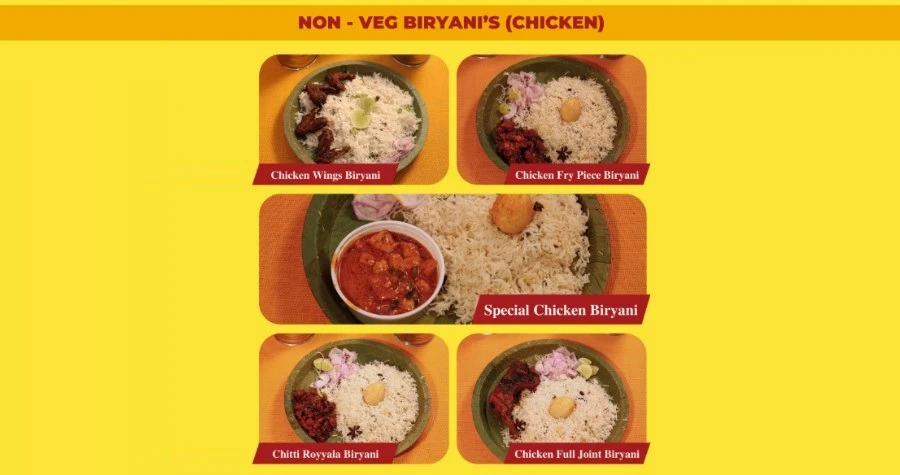
- Chicken dum biryani
- Mutton dum biryani
- Egg biryani
- Vegetable biryani
Rice-Based Dishes
- Bagara rice with curry pairings
Sides and Add-ons
- Raita and salan
- Kebabs and grilled items
- Pickles and accompaniments
Meal Formats
- Combo meals and thalis
- Festive and bulk meal packages
4. How the Franchise Model Works
The franchise follows a FOFO-style operational structure where the franchisee owns and operates the outlet.
Franchisee responsibilities:
- Setting up and managing the restaurant
- Hiring and managing kitchen and service staff
- Maintaining quality standards in food preparation
- Managing customer service and daily operations
Franchisor responsibilities:
- Providing brand identity and standardized recipes
- Offering operational guidelines and training
- Supporting supply chain standardization
- Assisting with marketing and brand positioning
The model focuses on maintaining consistency in taste and service across locations.
5. Franchise Cost and Investment Overview
The estimated investment ranges from INR 30 lakh to INR 50 lakh.
Key cost components include:
- Franchise fee of INR 15,00,000
- Kitchen setup and equipment
- Interior and seating arrangement
- Initial raw material and inventory
- Working capital for operations
A royalty fee of 5% is applicable on revenue.
6. Space and Infrastructure Requirements
The franchise requires 1500 to 2000 sq. ft. of space.
Infrastructure includes:
- Kitchen with dum cooking setup
- Dining area with seating
- Storage for raw materials and perishables
- Billing and service counters
- Delivery dispatch area
Locations with high footfall or strong delivery demand are typically preferred.
7. Training and Franchise Support
Support is provided to standardize operations and maintain consistency.
Support areas include:
- Training in food preparation and cooking processes
- Kitchen workflow and hygiene standards
- Staff training for service and operations
- Marketing and promotional guidance
- Supply chain coordination for ingredients
These systems are intended to maintain uniform product quality across outlets.
8. Revenue Model and ROI Factors
Revenue is generated through:
- Sale of biryani meals and combos
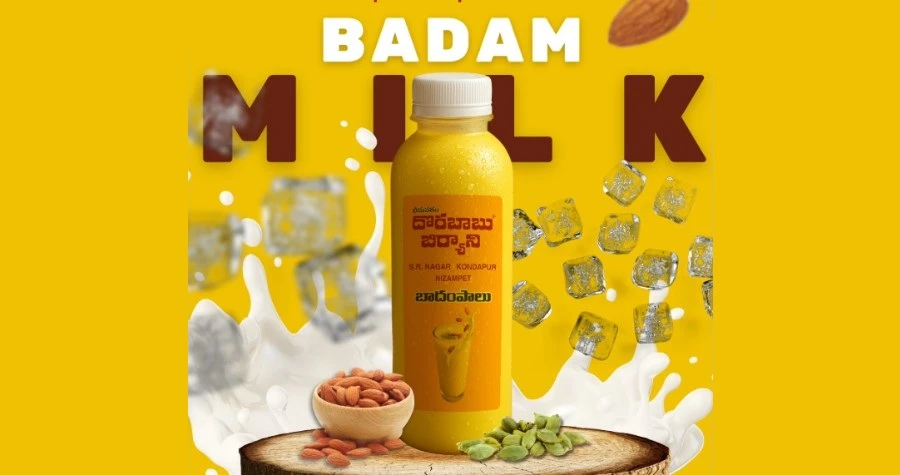
- Add-on items and beverages
- Bulk catering and event orders
- Delivery and takeaway orders
Key ROI factors include:
- Volume of daily orders
- Repeat customer frequency
- Efficient inventory management
- Control over ingredient costs
The expected payback period is approximately 1 to 2 years.
9. Brand History and Expansion
Dorababu Biryani was established in 2024 and initiated franchising in 2025.
The brand currently operates a limited number of outlets and is in the early expansion phase, with plans to grow through franchise partnerships in multiple locations.
10. Key Advantages of the Franchise
- Strong demand for biryani in urban and semi-urban markets
- Focused menu simplifies operations and inventory management
- Established cooking methodology supports product consistency
- Opportunity to expand into catering and delivery channels
- Repeat consumption driven by taste and familiarity
11. Who Should Consider This Franchise
This franchise may be suitable for:
- Entrepreneurs entering the food and beverage industry
- Existing restaurant operators seeking a specialized cuisine format
- Investors interested in high-demand food categories
- Operators with access to high-footfall or delivery-driven locations
- Individuals capable of managing kitchen-intensive operations
Similar Franchise Opportunities
Entrepreneurs exploring biryani or QSR-based restaurant models may also evaluate:
- Biryani By Kilo
- Behrouz Biryani
- Bikkgane Biryani
- Paradise Biryani
- Meghana Foods
These brands operate in similar high-demand segments within the organized biryani and quick-service restaurant market.


What is the investment required for Dorababu Biryani franchise?
The investment ranges from INR 30 lakh to INR 50 lakh, including setup, kitchen equipment, and working capital. The franchise fee is INR 15,00,000.
How does the Dorababu Biryani franchise business work?
The business operates as a restaurant focused on biryani and related dishes. Revenue comes from dine-in, takeaway, delivery, and bulk catering orders.
What space is required for the franchise?
A space of approximately 1500 to 2000 sq. ft. is required to accommodate kitchen operations, dining, and storage.
How long does it take to recover the investment?
The expected payback period is between 1 and 2 years, depending on sales volume and operational efficiency.
How can investors apply for the franchise?
Investors can apply through the brand’s franchise process, which includes evaluation, approval, and guided setup. ## Similar Franchise Opportunities
