


Doner Club Franchise
Franchise Quick Facts
| Brand Name | Doner Club |
|---|---|
| Industry / Business Category | Quick Service Restaurants (QSR) |
| Founded Year | 2020 |
| Franchise Started Year | 2021 |
| Total Franchise Outlets | 10–20 |
| Estimated Investment | INR 20 Lakh – 30 Lakh |
| Franchise Fee | INR 6,00,000 |
| Royalty Fee | 6% |
| Space Requirement | 400 – 800 sq. ft. |
| Staff Requirement | Kitchen and service staff |
| Expected Payback Period | 1–2 Years |
1. What is Doner Club?
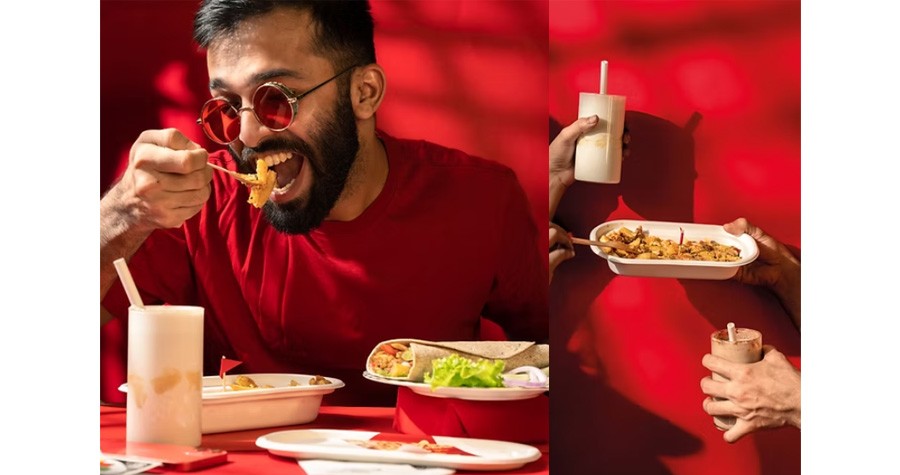
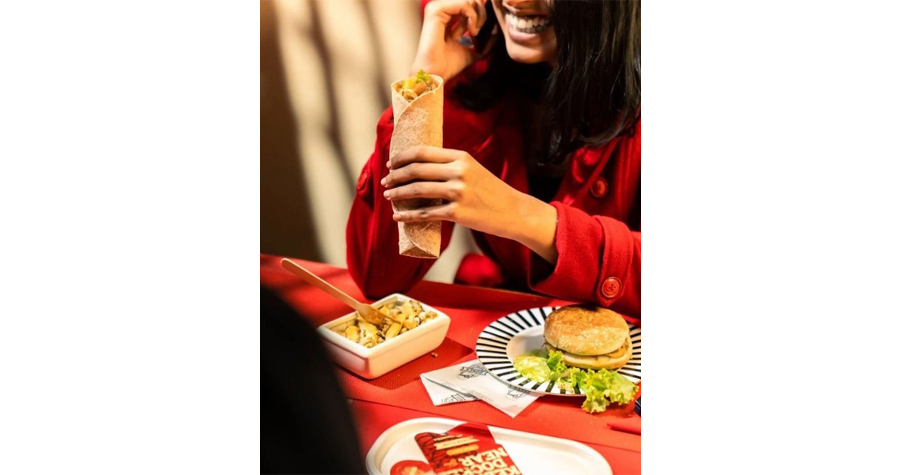
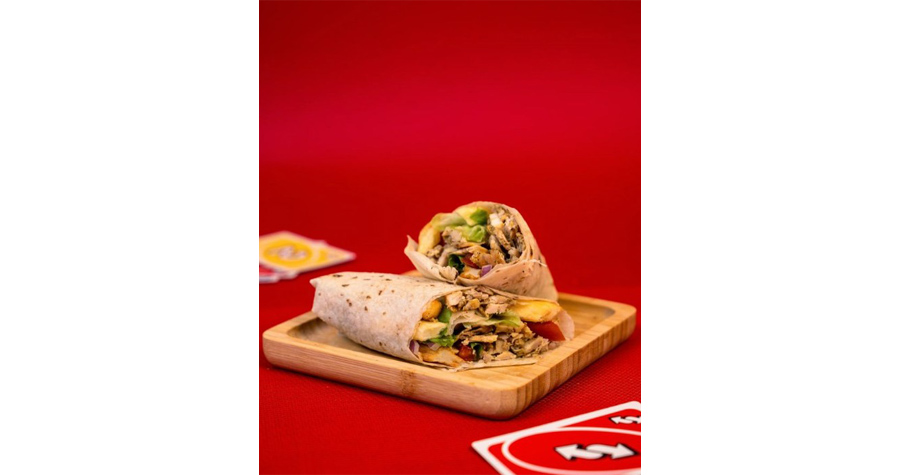
Doner Club is a quick service restaurant franchise focused on serving Mediterranean-style food, particularly doner kebabs and related menu items, targeting urban consumers seeking international fast-casual dining options.
The Doner Club franchise operates within the QSR segment, offering standardized menu items built around traditional doner preparation methods adapted for scalable restaurant operations.
2. How the Business Works
The business follows a structured QSR model combining dine-in, takeaway, and delivery formats.
Customer interaction includes:
- Ordering at physical outlets
- Online food delivery platforms
- Quick-service counter-based transactions
Operational workflow typically involves:
- Preparation of marinated meats and fresh ingredients
- Cooking using specialized doner equipment
- Assembly of wraps, bowls, and platters
- Order processing and service delivery
- Inventory and hygiene management
Revenue is generated through high-frequency food orders, both offline and online.
3. Products or Services Offered
The offering is centered around Mediterranean fast food.
Core Menu
- Doner kebabs
- Gyros-style wraps
- Meat and vegetarian bowls
Additional Offerings
- Side items and accompaniments
- Sauces and condiments
- Beverage options
Service Channels
- Dine-in service
- Takeaway orders
- Online delivery
The product mix supports quick preparation and consistent service delivery.
4. How the Franchise Model Works
The franchise follows a standardized food service model designed for replication.
Franchise partner responsibilities include:
- Setting up and managing the outlet
- Hiring and training staff
- Maintaining operational and food quality standards
- Managing day-to-day sales and customer service
Franchisor support includes:
- Defined operational systems and processes
- Training for staff and management
- Supply chain coordination for equipment and inputs
- Technology systems for order and customer management
The model is structured to ensure consistency across locations.
5. Franchise Cost and Investment Overview
The estimated investment ranges from INR 20 lakh to INR 30 lakh.
Key cost components include:
- Franchise fee: INR 6,00,000
- Interior design and outlet setup
- Kitchen equipment and machinery
- Initial stock and raw materials
- Licensing and operational setup
- Working capital
Royalty is charged at 6% of revenue.
6. Space and Infrastructure Requirements
The required space ranges between 400 and 800 sq. ft.
Typical setup includes:
- Kitchen with doner preparation equipment
- Service counter and billing area
- Optional seating area depending on format
- Storage and refrigeration facilities
Locations in commercial areas, food courts, or high-footfall urban zones are generally suitable.
7. Training and Franchise Support
Franchise partners receive structured support systems to operate the business.
Support includes:
- Training programs for food preparation and operations
- Staff recruitment and onboarding guidance
- Standard operating procedures for daily workflow
- Marketing and branding assistance
- Technology tools for order management and customer engagement
These systems aim to maintain uniformity in operations and service quality.
8. Revenue Model and ROI Factors
Revenue is driven by food sales across multiple channels.
Key revenue drivers:
- Demand for international and fast-casual cuisine
- High repeat purchase potential
- Integration with food delivery platforms
- Menu pricing and upselling opportunities
ROI considerations include:
- Location and customer footfall
- Cost control and inventory management
- Operational efficiency
- Brand positioning in local markets
The expected payback period is approximately 1 to 2 years.
9. Brand History and Expansion
Doner Club was established in 2020 and began franchising in 2021.
The brand has expanded to a network of 10 to 20 franchise outlets, indicating early-stage growth within the QSR segment focused on Mediterranean cuisine.
10. Key Advantages of the Franchise
- Increasing demand for international fast-casual food formats
- Standardized and scalable QSR operations
- Multiple revenue streams including delivery
- Structured franchise system with training and support
- Moderate investment compared to full-service restaurants
11. Who Should Consider This Franchise
This opportunity may suit:
- First-time entrepreneurs entering the food business
- Existing QSR operators expanding into new cuisine formats
- Investors targeting mid-scale food service ventures
- Individuals with access to high-footfall commercial locations
- Entrepreneurs interested in international cuisine concepts
Similar Franchise Opportunities
Entrepreneurs evaluating Doner Club may also consider:
- Subway
- KFC
- Burger King
- Wow! Momo
- Taco Bell
These brands operate in the quick service restaurant category and offer comparable franchise-based business models for evaluation.
Accepting franchise applications in 5 states & UTs

What is the investment required for Doner Club franchise?
The investment typically ranges from INR 20 lakh to INR 30 lakh. This includes franchise fees, setup costs, equipment, and working capital.
How does the Doner Club franchise business work?
The business operates as a quick service restaurant offering Mediterranean-style food through dine-in, takeaway, and delivery channels using standardized processes.
What space is required for the franchise?
A space between 400 and 800 sq. ft. is required, depending on the outlet format and seating capacity.
How long does it take to recover the investment?
The expected payback period is approximately 1 to 2 years, depending on operational performance and location.
How can investors apply for the franchise?
Investors can apply through the brand’s franchise onboarding process, followed by evaluation, setup, and training phases. ## Similar Franchise Opportunities
