


Digihakk Franchise
Franchise Quick Facts
| Brand Name | Digihakk |
|---|---|
| Industry / Business Category | Vocational Training (Digital Marketing Education) |
| Founded Year | 2016 |
| Franchise Started Year | 2018 |
| Total Franchise Outlets | 1 to 10 |
| Estimated Investment | INR 20 Lakh – 30 Lakh |
| Franchise Fee | INR 4,00,000 |
| Royalty Fee | 10% |
| Space Requirement | 400 – 500 sq. ft. |
| Staff Requirement | 3–8 staff (trainers, counselors, admin) |
| Expected Payback Period | Not specified |
1. What is Digihakk?
Digihakk is a vocational training institute focused on digital marketing education, offering structured courses that cover online marketing strategies and tools. It operates in the skill development and training segment, targeting individuals seeking career opportunities, freelance income, or business growth through digital marketing.
The Digihakk franchise provides a model to deliver digital marketing training programs through classroom and practical learning formats.
2. How the Business Works
The business operates as an education and training center.
Students typically:
- Enroll in digital marketing courses
- Attend classroom or practical training sessions
- Learn various online marketing techniques
Daily operations include:
- Conducting training sessions and workshops
- Managing student admissions and inquiries
- Providing course materials and assignments
- Supporting students with skill development
Revenue is generated through:
- Course enrollment fees
- Training programs and workshops
- Advanced or specialized course offerings
3. Products or Services Offered
Digihakk focuses on skill-based training in digital marketing.
Core Training Areas
- Search Engine Optimization (SEO)
- Social Media Marketing
- Email Marketing
- Content Marketing
- Pay-Per-Click (PPC) Advertising
- Lead Generation Techniques
Learning Formats
- Classroom-based training
- Practical sessions and assignments
- Skill development modules for different experience levels
The programs are designed for students, professionals, and entrepreneurs.
4. How the Franchise Model Works
The franchise operates as a local training center.
Role of the Franchise Partner
- Set up and manage the training institute
- Promote courses and enroll students
- Hire trainers and manage day-to-day operations
- Maintain quality of training delivery
Role of the Franchisor
- Provide course curriculum and training structure
- Offer branding and operational guidance
- Support marketing and course positioning
Operational Structure
- Center-based training delivery
- Focus on student acquisition and retention
- Combination of education and career-oriented services
5. Franchise Cost and Investment Overview
The investment reflects the setup of a training institute.
Estimated Investment
- INR 20 Lakh to 30 Lakh
Cost Components
- Interior setup and classroom infrastructure
- Computer systems and training equipment
- Marketing and student acquisition
- Staff salaries and operational expenses
Fees
- Franchise fee: INR 4,00,000
- Royalty fee: 10%
6. Space and Infrastructure Requirements
The business requires a training center setup.
Space Requirement
- 400 to 500 sq. ft.
Preferred Locations
- Educational hubs
- Commercial areas with student footfall
- Urban or semi-urban centers
Infrastructure Needs
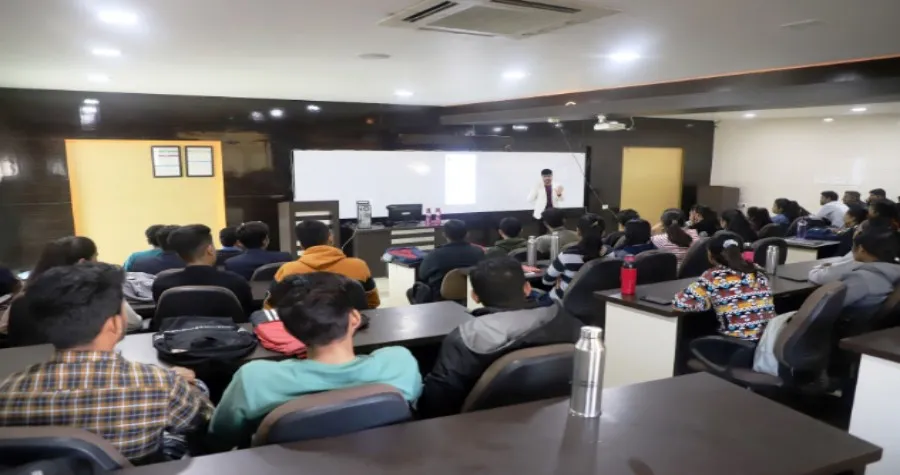
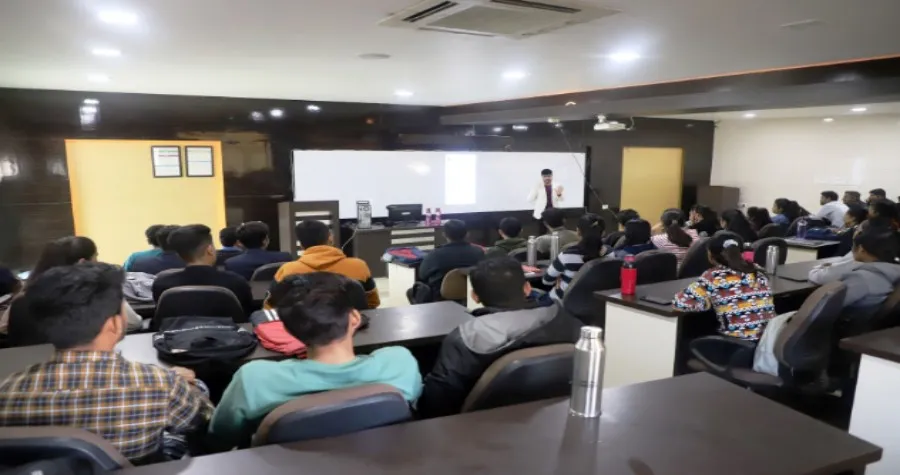
- Classroom setup with seating
- Computers and internet connectivity
- Projectors or teaching aids
Staffing
- Trainers for course delivery
- Counselors for admissions
- Administrative staff
7. Training and Franchise Support
Support is focused on education delivery and operations.
Training Support
- Curriculum and course structure
- Teaching methodologies
- Student engagement practices
Business Support
- Branding and marketing assistance
- Admission process guidance
- Operational support for center management
This helps franchisees run a structured training business.
8. Revenue Model and ROI Factors
Revenue depends on student enrollments and course offerings.
Revenue Streams
- Fees from digital marketing courses
- Advanced training programs
- Workshops and short-term certifications
Demand Drivers
- Growing need for digital marketing skills
- Career opportunities in online marketing
- Demand from businesses and freelancers
Cost Considerations
- Trainer salaries
- Marketing and student acquisition
- Infrastructure maintenance
ROI Factors
- Batch size and course pricing
- Location and local demand
- Course diversification
9. Brand History and Expansion
- Established in 2016
- Franchise expansion began in 2018
- Operates with a limited number of franchise outlets
- Focus on expanding training centers in urban markets
10. Key Advantages of the Franchise
- Operates in the growing digital skills education sector
- Multiple revenue streams through courses and workshops
- Demand driven by career and freelance opportunities
- Structured curriculum and training model
- Scalable through batch expansion
- Suitable for education-focused entrepreneurs
11. Who Should Consider This Franchise
This opportunity may be suitable for:
- Entrepreneurs interested in education and training
- Professionals from digital marketing or IT backgrounds
- Investors seeking service-based businesses
- Coaching institute operators looking to expand offerings
- Individuals targeting youth and skill development markets
Similar Franchise Opportunities
Entrepreneurs exploring similar education and digital training franchises may consider:
- NIIT
- Aptech
- Arena Animation
- MAAC
- Jetking
These brands operate in the vocational training and skill development sector, offering comparable franchise opportunities in education services.

What is the investment required for Digihakk franchise?
The investment ranges from INR 20 lakh to 30 lakh, including setup, infrastructure, and operational costs.
How does the Digihakk franchise business work?
The franchise operates as a training institute offering digital marketing courses, generating revenue through student enrollments and training programs.
What space is required for the franchise?
A space of 400 to 500 sq. ft. is required to set up classrooms and training infrastructure.
How long does it take to recover the investment?
The payback period depends on enrollment volume, pricing, and operational efficiency.
How can investors apply for the franchise?
Interested individuals can contact the brand to explore franchise opportunities and initiate the onboarding process. ## Similar Franchise Opportunities
