



Dhs Informatics Franchise
Franchise Quick Facts
| Brand Name | DHS Informatics |
|---|---|
| Industry / Category | IT Training and Education Services |
| Founded Year | 2004 |
| Franchise Started | 2012 |
| Total Franchise Outlets | 1–10 |
| Estimated Investment | INR 10 Lakhs – 20 Lakhs |
| Franchise Fee | Not specified |
| Royalty Fee | Not specified |
| Space Requirement | 1000 – 1200 sq. ft. |
| Staff Requirement | Trainers and administrative staff required |
| Expected Payback Period | 1–2 Years |
1. What is DHS Informatics?
DHS Informatics is an IT training and education services provider offering technical training, project guidance, and career-oriented programs for students and professionals. It operates in the training institute segment, focusing on software, hardware, and technology-based education aligned with industry requirements.
The franchise represents a training center model designed to deliver skill development, certification programs, and job-oriented training in the information technology domain.
2. How the Business Works
The business operates as an education and training center providing classroom-based and institutional training programs.
Customer interaction includes:
- Student enrollments for technical courses
- College-based training sessions
- Corporate training engagements
Daily operations involve:
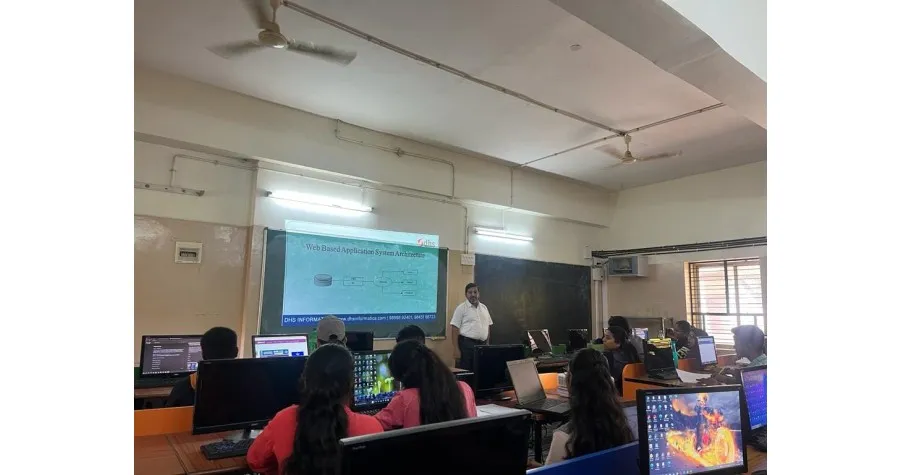
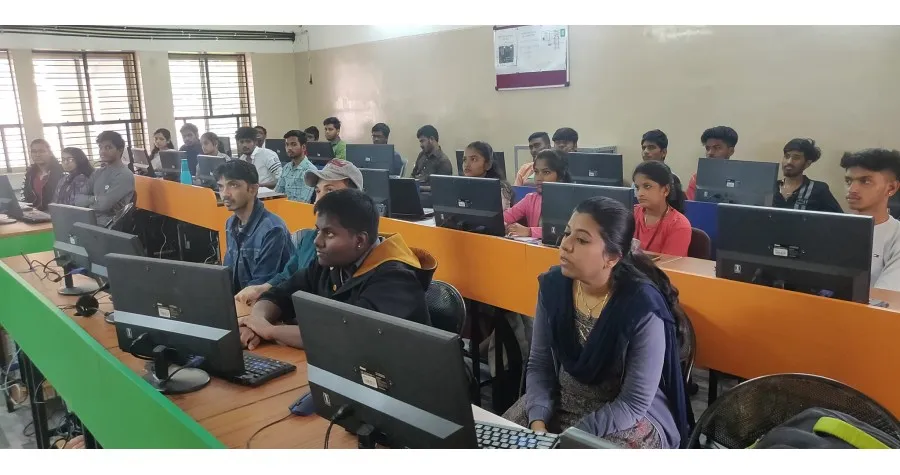
- Conducting training sessions in classrooms or labs
- Managing student batches and course schedules
- Delivering project-based training for academic students
- Coordinating with colleges and corporate clients
Revenue is generated through:
- Course fees from enrolled students
- Fees for project training and academic guidance
- Institutional training contracts with colleges
- Corporate training programs
The model relies on student enrollments, institutional partnerships, and course delivery capacity.
3. Products or Services Offered
DHS Informatics franchise centers offer a range of IT education and training services.
Core Course Categories
Software Technology Training
- Programming and software development courses
Hardware Technology Training
- Hardware and system-related technical training
Embedded Technology
- Specialized training in embedded systems
Computer Literacy
- Basic computer education programs
Language Training
- Technical and programming languages
Training Programs
Advanced IT Training
- Industry-focused technical courses
Corporate Training
- Training programs for organizations and employees
On-the-Job Training (OJT)
- Practical exposure through training linked to development environments
Project Training
- Academic project support for students in engineering and technical streams
These offerings cater to both academic and professional learners.
4. How the Franchise Model Works
The franchise model is structured around independent training centers operating under standardized systems.
Franchisee Role
- Set up and operate the training institute
- Manage student enrollments and course delivery
- Hire trainers and administrative staff
- Build relationships with colleges and corporate clients
Franchisor Role
- Provide course content and training frameworks
- Offer operational guidelines and manuals
- Support marketing and branding activities
- Provide training for franchise owners
Operational Structure
- Classroom and lab-based training delivery
- Batch-based student enrollment system
- Institutional collaboration for training programs
The model focuses on structured education delivery supported by centralized systems.
5. Franchise Cost and Investment Overview
The investment requirement is moderate for an education and training center.
Investment Range
- INR 10 Lakhs to 20 Lakhs
Key Cost Components
- Center setup including classrooms and labs
- Computer systems and technical infrastructure
- Interior setup and branding
- Initial marketing and promotion
- Licensing and operational setup
Ongoing Costs
- Staff salaries (trainers and support staff)
- Facility rent and utilities
- Marketing and student acquisition costs
The investment structure reflects infrastructure and staffing needs typical of training institutes.
6. Space and Infrastructure Requirements
The business requires a structured academic environment.
Space Requirement
- 1000 to 1200 square feet
Suitable Locations
- Near colleges and universities
- Educational hubs and student zones
- Urban commercial areas with student access
Infrastructure Needs
- Classrooms and training labs
- Computer systems and networking setup
- Projectors and teaching aids
- Administrative and reception area
Staffing
- Qualified trainers
- Administrative and counseling staff
7. Training and Franchise Support
Franchise partners receive operational and academic support.
Training Areas
- Course delivery and teaching methodologies
- Student management and engagement
- Business operations and administration
Support Systems
- Assistance in site selection and center setup
- Marketing and advertising support
- Operational manuals and guidelines
- Ongoing field and business support
These systems help franchisees establish and operate training centers effectively.
8. Revenue Model and ROI Factors
Revenue is generated through education services and institutional collaborations.
Revenue Streams
- Student course fees
- Project training and academic guidance fees
- Corporate training contracts
- Campus training programs
Demand Drivers
- Increasing demand for IT skills and certifications
- Academic requirements for project-based training
- Corporate need for employee upskilling
Cost Considerations
- Trainer salaries
- Infrastructure maintenance
- Marketing and student acquisition costs
Payback Period
- Estimated at 1 to 2 years depending on enrollment levels and operational efficiency
Profitability depends on consistent student intake and institutional tie-ups.
9. Brand History and Expansion
- Established in 2004 in the IT training and consulting space
- Began franchising operations in 2012
- Currently operates a limited network of franchise outlets (1–10 locations)
The brand has experience in training and consulting and continues to expand through franchise partnerships.
10. Key Advantages of the Franchise
- Growing demand for IT and technical education
- Multiple revenue streams including courses and institutional training
- Structured curriculum and training systems
- Opportunities for partnerships with colleges and corporates
- Moderate investment compared to larger education institutions
- Potential for recurring student enrollments
11. Who Should Consider This Franchise
This franchise may be suitable for:
- Entrepreneurs interested in the education and training sector
- Coaching center owners looking to expand into IT training
- Professionals with technical or academic backgrounds
- Investors targeting skill development businesses
- Individuals seeking service-based education ventures
Similar Franchise Opportunities
Entrepreneurs exploring similar education and IT training franchise models may also consider:
- NIIT
- Aptech
- Jetking
- Arena Animation
- CADD Centre
These organizations operate in the IT training and skill development sector and offer comparable franchise opportunities for evaluation.
What is the investment required for DHS Informatics franchise?
The estimated investment ranges between INR 10 Lakhs and 20 Lakhs, covering setup, infrastructure, and initial operational costs.
How does the DHS Informatics franchise business work?
The business operates as a training institute offering IT courses, project training, and corporate programs, generating revenue through student fees and institutional partnerships.
What space is required for the franchise?
A space of approximately 1000 to 1200 square feet is required to set up classrooms, labs, and administrative areas.
How long does it take to recover the investment?
The expected payback period is around 1 to 2 years, depending on student enrollment and operational efficiency.
How can investors apply for the franchise?
Interested individuals can connect with the brand through official franchise enquiry channels and complete the onboarding process. ## Similar Franchise Opportunities
