


Chai Galli Franchise
Franchise Quick Facts
| Brand Name | Chai Galli |
|---|---|
| Industry / Category | Tea Café / Casual Dining / Quick Service Restaurant |
| Founded Year | 2020 |
| Franchise Started | 2021 |
| Total Franchise Outlets | 10–20 |
| Estimated Investment | INR 20–30 Lakhs |
| Franchise Fee | INR 4,00,000 |
| Royalty Fee | 4% |
| Space Requirement | 450–1100 sq. ft. |
| Staff Requirement | Typically 6–12 staff |
| Expected Payback Period | 1–2 years |
1. What is Chai Galli?
Chai Galli is a tea-focused café and casual dining concept that combines Indian street food with a wide variety of tea and beverage options. It operates within the food and beverage sector, catering to customers seeking a mix of traditional snacks, meals, and tea-based experiences in a themed café environment.
The franchise format is designed for entrepreneurs looking to operate mid-sized outlets offering both dine-in and takeaway services.
2. How the Business Works
The business follows a hybrid model that blends quick service and casual dining.
Customers visit the outlet for tea, snacks, and light meals. Orders are placed at the counter or table, depending on the setup, and food is prepared using standardized recipes. The format supports both short visits and longer dine-in experiences.
Revenue is generated through:
- Beverage sales across multiple tea varieties
- Food items including snacks, main dishes, and desserts
- Group visits and repeat customer traffic
Operations involve coordinated kitchen preparation, beverage service, and customer handling within a structured workflow.
3. Products or Services Offered
Chai Galli outlets offer a broad menu covering beverages, snacks, and meal options.
Beverage Categories
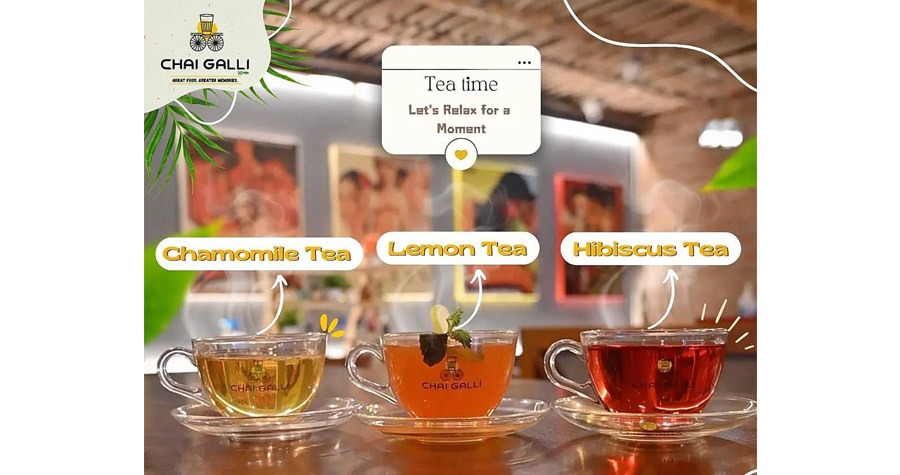
- Traditional Indian tea formats (e.g., cutting chai)
- Regional teas such as Darjeeling, Assam, and Nilgiri
- International tea varieties including oolong and herbal blends
- Cold beverages, shakes, and juices
Food Categories
- Indian street snacks (samosas, vada pav, phuchka-style items)
- Fusion snacks (paninis, tandoori sandwiches)
- Light meals and protein-based dishes
- Desserts including ice creams and falooda
The menu structure supports both quick consumption and extended dining.
4. How the Franchise Model Works
The franchise model is structured for standardized multi-format café operations.
Role of the Franchise Partner
- Invest in outlet setup and infrastructure
- Manage staff, inventory, and daily operations
- Maintain brand standards in food quality and service
Operational Framework
- Defined menu and preparation guidelines
- Standardized outlet design and customer experience
- Centralized processes for sourcing and supply
Franchisor Support
- Assistance with site selection and layout planning
- Training programs for kitchen and service staff
- Marketing guidance and promotional strategies
- Operations manual and ongoing business support
The model is designed for scalability across urban and high-footfall locations.
5. Franchise Cost and Investment Overview
The investment reflects a mid- to large-format café with dine-in capability.
Investment Range
- Estimated total investment: INR 20–30 lakhs
- Franchise fee: INR 4,00,000
- Royalty: 4% of revenue
Cost Components
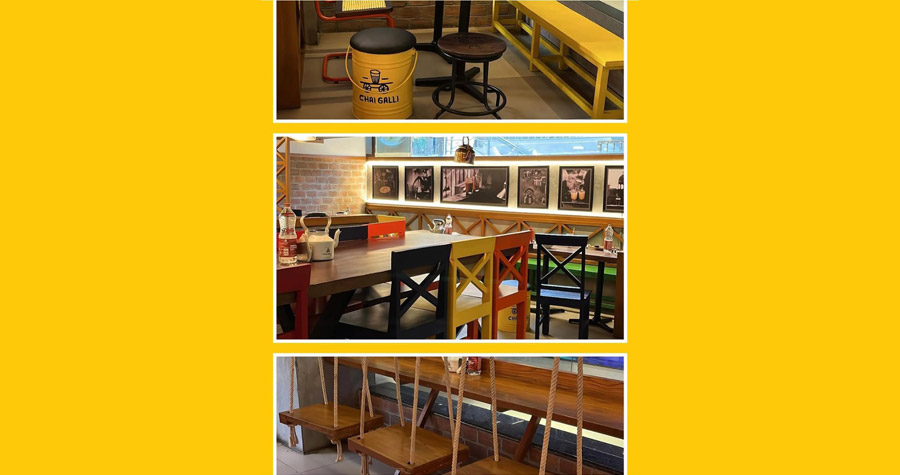
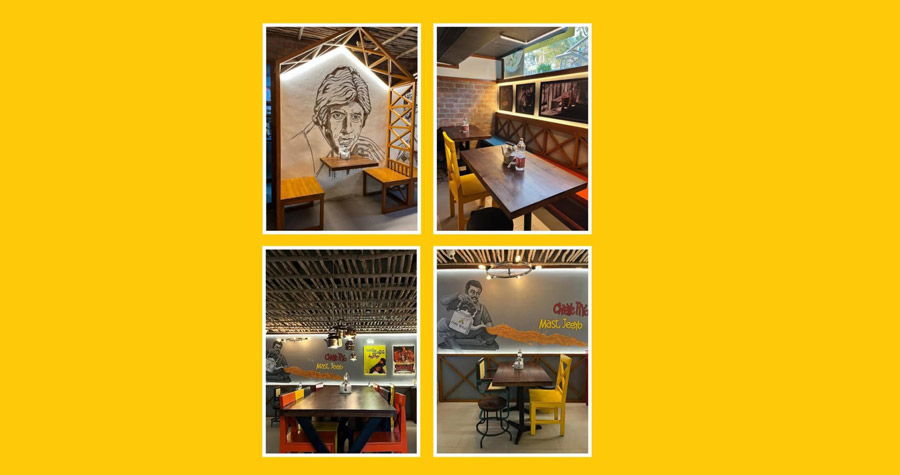
- Interior development and themed design
- Kitchen and beverage equipment
- Initial inventory and raw materials
- Rental deposit and working capital
- Technology and billing systems
Recurring costs include rent, staff salaries, inventory replenishment, and royalty payments.
6. Space and Infrastructure Requirements
Space Requirement
- Approximately 450–1100 sq. ft.
Location Types
- High street commercial areas
- Shopping complexes
- Urban neighborhoods with strong footfall
- Mixed-use developments
Infrastructure Needs
- Full kitchen setup for snacks and meals
- Beverage preparation stations
- Customer seating and interior design elements
- Storage and inventory management space
- POS and billing systems
Staffing
- Typically 6–12 staff depending on outlet size and service format
7. Training and Franchise Support
The franchise system includes structured support for consistent operations.
Support Areas
- Pre-opening training for owners and staff
- Guidance on outlet design and setup
- Equipment selection and procurement assistance
- Marketing strategy and brand communication support
- Operations manual for standardized execution
- Ongoing menu development and updates
These systems help maintain consistency and support business performance across locations.
8. Revenue Model and ROI Factors
Revenue is generated through a combination of beverage and food sales.
Revenue Drivers
- Wide menu attracting diverse customer segments
- Tea-based beverages with consistent demand
- Food items that increase average order value
- Group dining and repeat visits
Cost Considerations
- Rental costs for larger spaces
- Staff salaries and kitchen operations
- Raw material sourcing
- Royalty payments
ROI Outlook
- Expected payback period ranges from 1 to 2 years
- Profitability depends on location selection, customer volume, and operational efficiency
9. Brand History and Expansion
Chai Galli was established in 2020 and expanded into franchising in 2021. It operates under HNS Hotels Private Limited, which has prior experience in the hospitality sector.
The brand has built a presence across multiple cities, including Bengaluru, Chennai, and Mysore, and is expanding through franchising into additional markets.
10. Key Advantages of the Franchise
- Combination of tea café and casual dining formats
- Broad menu catering to multiple customer segments
- Suitable for both quick visits and longer dining experiences
- Established operational framework with franchise support
- Multiple revenue streams from beverages and food
- Expansion backed by hospitality industry experience
11. Investor Questions
What is the investment required for Chai Galli franchise?
The total investment typically ranges from INR 20 to 30 lakhs. This includes setup, equipment, and working capital, along with a franchise fee of INR 4,00,000 and a 4% royalty on revenue.
How does the Chai Galli franchise business work?
The business operates as a tea café with a diversified food menu. Franchise owners manage daily operations while following standardized processes for food preparation, service, and sourcing.
What space is required for this franchise?
An outlet generally requires 450 to 1100 sq. ft., allowing space for kitchen operations as well as customer seating.
How long does it take to recover the investment?
The expected payback period is approximately 1 to 2 years, depending on footfall, pricing, and cost control.
How can investors apply for the franchise?
Interested investors can approach the brand through its official franchise channels to review requirements, evaluate the opportunity, and begin the onboarding process.
Accepting franchise applications in 35 states & UTs