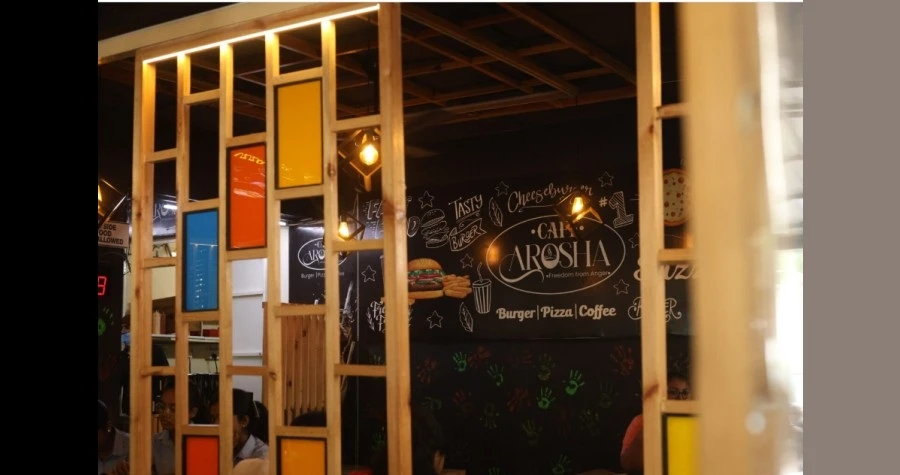


Cafe Arosha Franchise
Franchise Quick Facts
| Field | Details |
|---|---|
| Brand Name | Cafe Arosha |
| Industry / Category | Tea & Coffee / Café / QSR |
| Founded Year | 2022 |
| Franchise Started | 2025 |
| Total Franchise Outlets | 1–10 |
| Estimated Investment | INR 10 Lakh – 20 Lakh |
| Franchise Fee | Not specified |
| Royalty Fee | 5% |
| Space Requirement | 1000 – 1100 sq. ft. |
| Staff Requirement | Varies by outlet size |
| Expected Payback Period | 1 – 2 Years |
1. What is Cafe Arosha?
Cafe Arosha is a café-format quick service restaurant (QSR) brand focused on serving burgers, beverages, and complementary snack items. The business operates in the casual dining and takeaway segment, targeting urban consumers looking for affordable, quality-focused fast food in a café-style environment.
The franchise opportunity allows individuals to operate a standardized café outlet offering a curated menu centered around burgers, drinks, and light meals.
2. How the Business Works
The business follows a café-style QSR model where customers either dine in, order takeaway, or place orders through delivery platforms.
Typical workflow includes:
- Customers select from a limited, focused menu
- Orders are prepared in-house using standardized recipes
- Food is served quickly in a casual dining environment
- Additional revenue is generated through beverages and add-ons
Operational efficiency is maintained through a simplified menu, centralized sourcing, and structured kitchen processes. Revenue is driven by high customer turnover, repeat visits, and bundled meal combinations.
3. Products or Services Offered
Cafe Arosha outlets typically offer a focused and structured menu:
Core Menu
- Burger variants (chicken, vegetarian, and other options)
- Custom sauces and toppings
Side Items
- French fries
- Onion rings
- Mozzarella sticks
- Nachos
Beverages
- Milkshakes
- Iced coffee
- Fruit-based drinks
Desserts
- Cheesecakes
- Brownies
- Sundaes
Additional Offerings
- Sandwiches and wraps
- Light meal options for health-conscious customers
The menu is designed to balance variety with operational simplicity.
4. How the Franchise Model Works
Cafe Arosha operates on a Franchise-Owned, Franchise-Operated (FOFO) model.
Under this structure:
- The franchisee invests in setting up the outlet
- The franchisee manages daily operations, staff, and local execution
- The brand provides standardized systems, recipes, and supply chain access
Franchise partner responsibilities include:
- Managing outlet operations
- Maintaining service and product quality
- Handling staffing and local marketing execution
The franchisor supports with:
- Brand guidelines and operational frameworks
- Vendor and supply chain integration
- Marketing direction and campaigns
This model allows local ownership while maintaining brand consistency.
5. Franchise Cost and Investment Overview
The estimated investment required to open a Cafe Arosha franchise ranges between INR 10 lakh and INR 20 lakh.
Investment components typically include:
- Interior setup and café design
- Kitchen equipment and fixtures
- Initial inventory and raw materials
- Branding and signage
- Technology systems (POS, billing, inventory tools)
A royalty fee of approximately 5% of revenue is payable to the brand.
The investment structure is positioned for moderate entry cost within the café QSR segment.
6. Space and Infrastructure Requirements
To set up a Cafe Arosha outlet, the following infrastructure is generally required:
- ?????: 1000 to 1100 sq. ft.
- Location type:
- High street retail
- Commercial zones
- College or office clusters
Infrastructure needs:
- Fully equipped kitchen setup
- Seating and dining area
- Storage and prep zones
- Billing and POS counter
Staffing:
- Kitchen staff
- Service staff
- Store manager or supervisor
The layout typically supports both dine-in and takeaway operations.
7. Training and Franchise Support
Franchise partners receive structured support designed to standardize operations:
Training
- Food preparation processes
- Hygiene and safety standards
- Customer service protocols
Setup Assistance
- Location selection guidance
- Outlet design and layout planning
- Kitchen setup support
Supply Chain
- Vendor connections for raw materials
- Packaging standardization
Marketing Support
- Launch campaigns
- Social media direction
- Seasonal promotions
Technology Integration
- POS systems
- Inventory tracking tools
- Order management platforms
These systems are intended to reduce operational uncertainty for new franchise owners.
8. Revenue Model and ROI Factors
Revenue is generated through direct food and beverage sales.
Key revenue drivers:
- Core burger sales
- Add-on items such as sides and drinks
- Combo meals increasing average order value
- Repeat customers from local catchment areas
Cost considerations:
- Raw material costs
- Staff salaries
- Rent and utilities
- Royalty fees
The expected payback period is estimated between 1 to 2 years, depending on location performance, operational efficiency, and customer volume.
9. Brand History and Expansion
The brand was established in 2022 with a focus on delivering a specialized burger-based café experience.
Franchising began in 2025 as part of its expansion strategy.
Current network size ranges between 1 and 10 franchise outlets, indicating an early-stage expansion phase with growth potential in new markets.
The expansion approach is based on scaling through franchise partners while maintaining standardized product and service delivery.
10. Key Advantages of the Franchise
- Focused menu simplifies operations and inventory management
- Moderate investment range compared to full-service restaurants
- Café format supports dine-in, takeaway, and delivery channels
- Repeat purchase potential driven by everyday food category
- Structured franchise model with centralized support systems
- Early-stage brand expansion offering market entry opportunities
11. Investor Questions
What is the investment required for Cafe Arosha franchise?
The estimated investment ranges from INR 10 lakh to INR 20 lakh, depending on location, setup size, and infrastructure requirements.
How does the Cafe Arosha franchise business work?
The business operates as a café-style QSR where franchisees manage daily operations while following standardized recipes, systems, and brand guidelines provided by the franchisor.
What space is required for this franchise?
An outlet typically requires 1000 to 1100 sq. ft., suitable for dine-in and takeaway operations in commercial or high-footfall areas.
How long does it take to recover the investment?
The expected payback period is approximately 1 to 2 years, influenced by location performance and operational efficiency.
How can investors apply for the franchise?
Interested investors can apply by contacting the brand directly through its official communication channels and completing the onboarding and evaluation process.