



Burger King Franchise
Franchise Quick Facts
| Brand Name | Burger King |
|---|---|
| Industry / Category | Food & Beverage / Quick Service Restaurant (QSR) |
| Founded Year | 1959 |
| Franchise Started Year (India) | 2014 |
| Total Franchise Outlets | 500–1000 (India network range) |
| Estimated Investment | INR 2 Crore – 5 Crore |
| Franchise Fee | INR 11,00,000 |
| Royalty Fee | 4% |
| Space Requirement | 500 – 2500 sq. ft. |
| Staff Requirement | 15–40 persons |
| Expected Payback Period | 1–2 Years |
1. What is Burger King?
Burger King is a global quick service restaurant (QSR) brand specializing in burgers, fried foods, and beverages, known for its flame-grilled cooking method. The brand operates in the organized fast-food sector, serving a broad customer base across urban and international markets.
It targets mass-market consumers including families, professionals, and students seeking standardized, quick-service meals with consistent taste and quality.
2. How the Business Works
The business operates through standardized restaurant formats that support dine-in, takeaway, drive-thru, and delivery channels.
Customers place orders at counters, kiosks, mobile apps, or delivery platforms. Food preparation follows strict global operating procedures to maintain consistency in taste and service speed. Kitchens are designed for high-volume production with defined workflows.
Revenue is generated through high-frequency food sales, combo meals, and value offerings. Additional revenue streams include delivery partnerships, digital ordering, and upselling through bundled products.
3. Products or Services Offered
The menu includes a structured range of fast-food categories.
Core offerings include
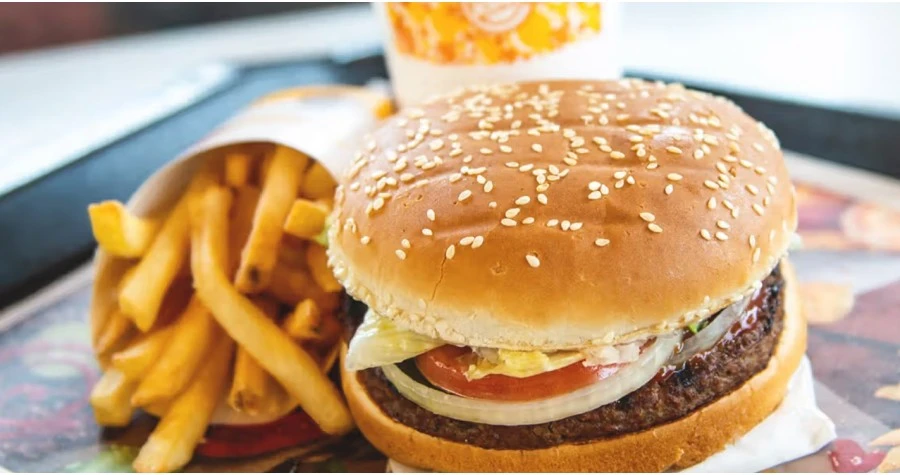
- Flame-grilled burgers (including flagship products)
- Chicken-based items and fried snacks
- Vegetarian burger options and localized menu items
- Fries, sides, and add-ons
- Beverages, desserts, and combo meals
Menu characteristics
- Standardized global products with local adaptations
- Value meals and promotional bundles
- Continuous menu innovation and seasonal offerings
This structure supports both individual consumption and group orders.
4. How the Franchise Model Works
The franchise model is built around standardized global operating systems and brand compliance.
Franchise partner responsibilities include
- Establishing and operating restaurant outlets
- Managing staff, inventory, and day-to-day operations
- Ensuring adherence to brand standards, quality, and service protocols
- Maintaining customer experience consistency
Franchisor support includes
- Site selection and restaurant development guidance
- Comprehensive training programs for operations and management
- Centralized supply chain and procurement systems
- Marketing campaigns and brand-level promotions
- Technology systems for POS, analytics, and customer engagement
The relationship is structured around strict operational control with ongoing support and performance monitoring.
5. Franchise Cost and Investment Overview
The estimated investment required to start a Burger King franchise ranges between INR 2 crore and INR 5 crore.
Key cost components include
- Franchise fee of INR 11,00,000
- Restaurant construction and interior development
- Commercial kitchen equipment and infrastructure
- Initial inventory and supply chain onboarding
- Staffing, training, and working capital
An ongoing royalty fee of approximately 4% applies to revenue.
6. Space and Infrastructure Requirements
The business requires a full-scale QSR restaurant setup.
Key requirements include
- Space between 500 and 2500 sq. ft.
- Locations in malls, high streets, commercial hubs, or transit areas
- Fully equipped commercial kitchen
- Dining area with customer seating
- Optional drive-thru infrastructure (location dependent)
- Storage, cold chain, and utility systems
Operations require a larger team compared to small-format QSRs due to scale.
7. Training and Franchise Support
Franchise partners receive structured and ongoing support across multiple functions.
Support areas include
- Initial and ongoing training for operations and management
- Standard operating procedures and operational manuals
- Marketing and brand-level advertising campaigns
- Supply chain integration and vendor management
- Technology systems for operations, analytics, and ordering
- Continuous business performance monitoring
These systems are designed to maintain consistency across global locations.
8. Revenue Model and ROI Factors
Revenue is driven by high-volume food sales across multiple channels.
Key revenue drivers include
- Strong demand for quick-service meals
- High transaction frequency in urban locations
- Combo meals and upselling strategies
- Digital ordering, delivery, and drive-thru sales
ROI considerations include
- High initial investment compared to local QSR brands
- Strong brand recall supporting customer acquisition
- Operational efficiency and location critical to performance
The expected payback period is approximately 1 to 2 years, depending on market conditions and outlet performance.
9. Brand History and Expansion
Burger King was established in 1959 and has expanded into a global fast-food network with presence in over 100 countries.
Franchising has been a core growth strategy, enabling expansion across international markets. In India, the franchise network has grown steadily since its introduction, with several hundred outlets operating across major cities.
The brand continues to expand through franchise partnerships in high-growth urban and emerging markets.
10. Key Advantages of the Franchise
- Global brand recognition with established customer base
- Standardized and scalable business model
- Multiple revenue channels including dine-in, delivery, and drive-thru
- Strong operational systems and supply chain support
- Continuous product and technology innovation
11. Who Should Consider This Franchise
This opportunity may be suitable for:
- Investors with capacity for high capital deployment
- Multi-unit franchise operators in the food service sector
- Business groups seeking established international brands
- Entrepreneurs with experience in managing large-scale retail operations
The model is less suited for small first-time operators due to capital and operational complexity.
Similar Franchise Opportunities
Investors evaluating this segment may also consider:
- McDonald’s – Global burger QSR model
- KFC – Chicken-based QSR model
- Subway – Sandwich-focused quick service model
- Domino’s Pizza – Delivery-focused QSR brand
- Burger Singh – Indian-style burger QSR
What is the investment required for Burger King franchise?
The investment typically ranges between INR 2 crore and INR 5 crore, covering setup, infrastructure, equipment, and operational costs.
How does the Burger King franchise business work?
It operates as a standardized quick service restaurant with dine-in, takeaway, and delivery channels, supported by centralized systems and global operating procedures.
What space is required for the franchise?
A space between 500 and 2500 square feet is required, depending on the outlet format and location.
How long does it take to recover the investment?
The expected payback period is approximately 1 to 2 years, depending on location performance and operational efficiency.
How can investors apply for the franchise?
Prospective franchise partners can engage with the brand through official franchise channels to initiate evaluation and onboarding. ## Similar Franchise Opportunities
