



Burger Desire Franchise
Franchise Quick Facts
| Brand Name | Burger Desire |
|---|---|
| Industry / Category | Food & Beverage / Quick Service Restaurant (QSR) |
| Founded Year | 2020 |
| Franchise Started Year | 2024 |
| Total Franchise Outlets | 1–10 |
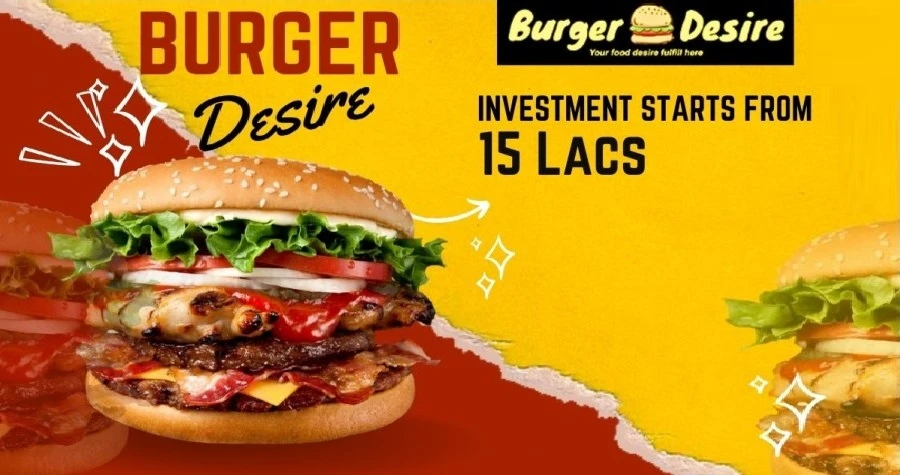
| Estimated Investment | INR 10 Lakh – 20 Lakh |
| Franchise Fee | Not specified |
| Royalty Fee | 7% |
| Space Requirement | 300 – 500 sq. ft. |
| Staff Requirement | 4–7 persons |
| Expected Payback Period | 1–2 Years |
1. What is Burger Desire?
Burger Desire is a quick service restaurant (QSR) brand offering burgers, pizzas, sandwiches, and fast-food items adapted to Indian taste preferences. It operates in the organized fast-food segment, targeting value-conscious consumers such as students, office workers, and families seeking affordable meal options.
The concept focuses on combining variety, localized flavors, and accessible pricing within a standardized QSR format.
2. How the Business Works
The business operates through compact outlets designed for dine-in, takeaway, and delivery.
Customers place orders at the counter or through online platforms. Food is prepared using predefined recipes and standardized processes to ensure consistency across locations. The service model emphasizes quick preparation and efficient order handling.
Revenue is generated from direct food sales, combo meals, and repeat customer visits. Delivery partnerships and bulk orders may further contribute to daily sales volumes.
3. Products or Services Offered
The menu includes a wide range of fast-food categories.
Core offerings include
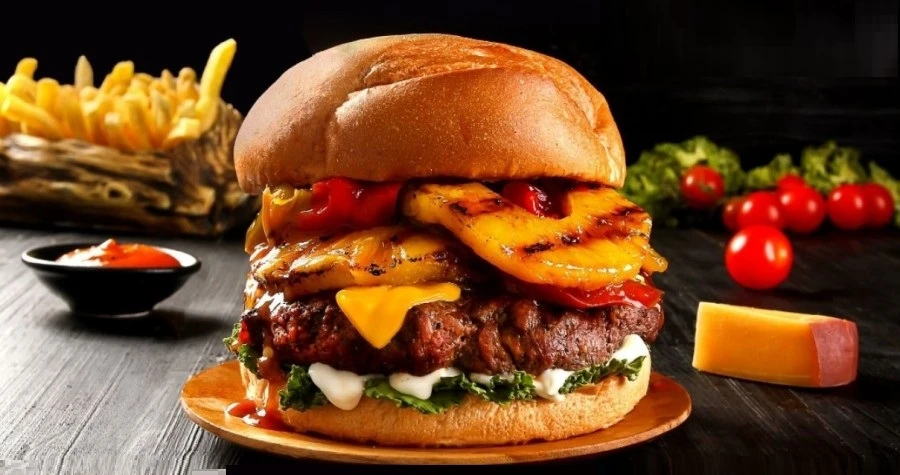
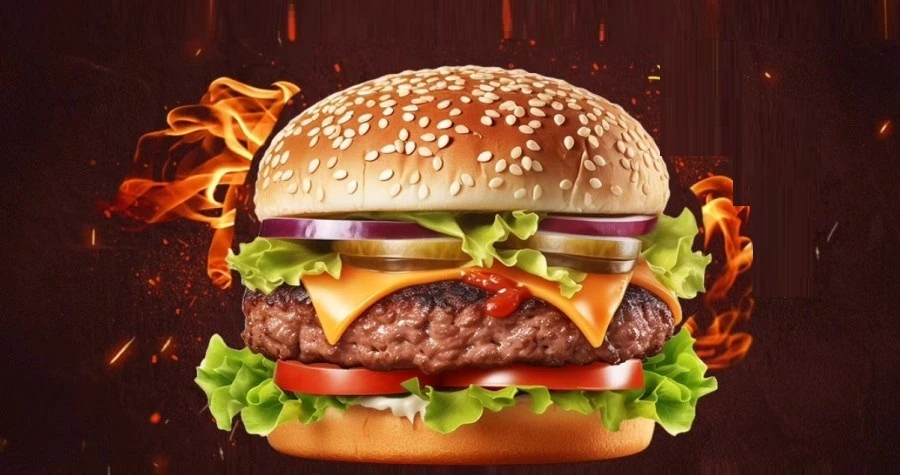
- Vegetarian and non-vegetarian burgers
- Sandwiches and grilled items
- Pizzas and baked fast-food options
- Side items such as fries and snacks
- Beverages and meal combinations
Menu characteristics
- Focus on Indian flavor profiles
- Broad product mix supporting varied customer preferences
- Periodic updates based on demand trends
The diversity of offerings allows outlets to serve both individual customers and group orders.
4. How the Franchise Model Works
The franchise model enables partners to operate Burger Desire outlets using a standardized operating system.
Franchise partner responsibilities include
- Establishing and managing the outlet
- Hiring and supervising staff
- Managing daily kitchen and service operations
- Ensuring adherence to quality, hygiene, and service standards
Franchisor support includes
- Training in food preparation and operations
- Assistance with outlet setup and layout planning
- Marketing and promotional support
- Supply chain and sourcing guidance
- Ongoing operational support
The model is designed to be scalable, allowing expansion across multiple locations with consistent execution.
5. Franchise Cost and Investment Overview
The estimated investment required to start a Burger Desire franchise ranges between INR 10 lakh and INR 20 lakh.
Investment components include
- Interior setup and branding
- Kitchen equipment and cooking systems
- Initial inventory and raw materials
- Staffing and operational setup
- Working capital
A royalty fee of approximately 7% applies to revenue. Franchise fee details may vary depending on agreement terms.
6. Space and Infrastructure Requirements
The business requires a compact QSR setup suitable for urban and semi-urban locations.
Key requirements include
- Space between 300 and 500 sq. ft.
- Location in high-footfall areas such as markets, near colleges, or commercial zones
- Kitchen and preparation area
- Service counter and optional seating
- Storage and utility space
The layout should support efficient order processing and quick service.
7. Training and Franchise Support
Franchise partners receive structured operational and business support.
Support areas include
- Training on food preparation and kitchen operations
- Guidance on store setup and workflow design
- Marketing support and promotional campaigns
- Supply chain coordination
- Ongoing operational assistance
These systems are designed to help franchisees maintain consistency and manage day-to-day operations effectively.
8. Revenue Model and ROI Factors
Revenue is driven by high-volume, quick-service food sales.
Key revenue drivers
- Affordable pricing attracting repeat customers
- Wide menu enabling higher order value
- Demand from younger demographics and urban consumers
- Delivery and takeaway orders
ROI considerations
- Moderate investment level
- High-frequency transactions
- Dependence on location and customer footfall
The expected payback period is approximately 1 to 2 years, depending on operational efficiency and demand.
9. Brand History and Expansion
Burger Desire was established in 2020 and entered the franchise segment in 2024.
The brand is currently in an early expansion phase, with a limited number of outlets and plans to grow through franchise partnerships across multiple regions. Expansion is aligned with increasing demand for affordable fast-food options.
10. Key Advantages of the Franchise
- Operates in a high-demand fast-food category
- Broad menu covering multiple fast-food segments
- Affordable pricing supporting mass-market reach
- Scalable franchise model
- Structured operational and supply support
Similar Franchise Opportunities
Investors evaluating this segment may also consider other quick service restaurant brands:
- McDonald’s – Burger-based QSR model
- Burger King – International burger franchise
- Burger Singh – Indian-style burger offerings
- Wow! Momo – Fast-casual food concept
- KFC – Chicken-based QSR model
What is the investment required for Burger Desire franchise?
The investment typically ranges between INR 10 lakh and INR 20 lakh, covering setup, equipment, and initial operational expenses.
How does the Burger Desire franchise business work?
The business operates as a quick service restaurant offering burgers, pizzas, and fast food through dine-in, takeaway, and delivery channels, generating revenue from direct food sales.
What space is required for this franchise?
A space between 300 and 500 square feet is required for kitchen operations, service counter, and basic customer handling.
How long does it take to recover the investment?
The expected payback period is approximately 1 to 2 years, depending on sales performance and location.
How can investors apply for the franchise?
Interested individuals can connect with the brand through official channels to initiate the franchise onboarding process. ## Similar Franchise Opportunities
