
Bite Box Franchise
Franchise Quick Facts
| Brand Name | Bite Box |
|---|---|
| Industry / Business Category | Fast Food / Mobile Vans & Food Trucks |
| Founded Year | 2025 |
| Franchise Started Year | 2025 |
| Total Franchise Outlets | 20–50 |
| Estimated Investment | INR 50,000 – 2 Lakh |
| Franchise Fee | Not specified |
| Royalty Fee | Not specified |
| Space Requirement | 100 – 200 sq. ft. |
| Staff Requirement | Small operational team (food prep + service) |
| Expected Payback Period | 1–2 Years |
1. What is Bite Box?
Bite Box is a fast food franchise operating in the quick service and mobile food segment, offering a range of ready-to-eat items such as burgers, wraps, fries, and globally inspired street food. The brand is designed for customers seeking quick, affordable meals with consistent taste, primarily targeting urban consumers, students, and working professionals.
2. How the Business Works
The business operates on a compact, high-efficiency food service model.
Customers place orders through walk-in counters, takeaway formats, or online delivery platforms. Food is prepared using standardized recipes and streamlined kitchen processes to ensure fast service and consistent output.
Operational workflow includes:
- Order intake via counter or digital platforms
- Quick preparation using pre-defined processes
- Packaging for takeaway or delivery
- Order fulfillment within short service times
Revenue is generated through direct food sales, combo offers, and delivery orders, with repeat purchases playing a key role in sustaining volume.
3. Products or Services Offered
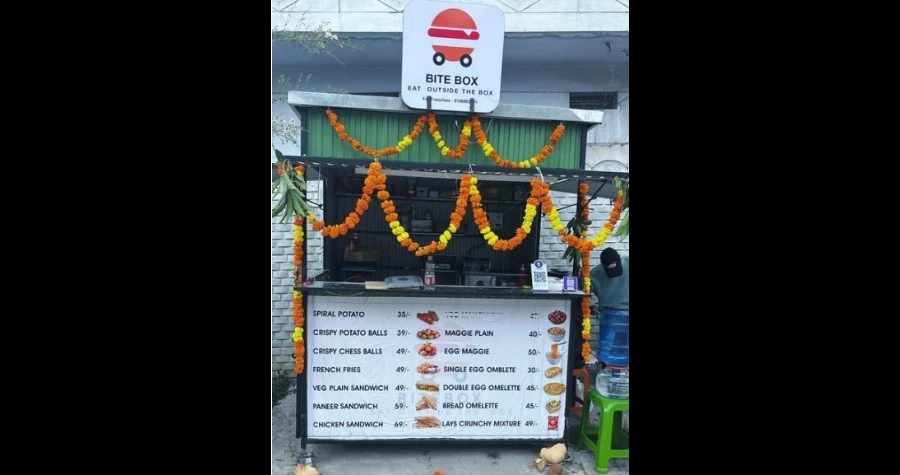
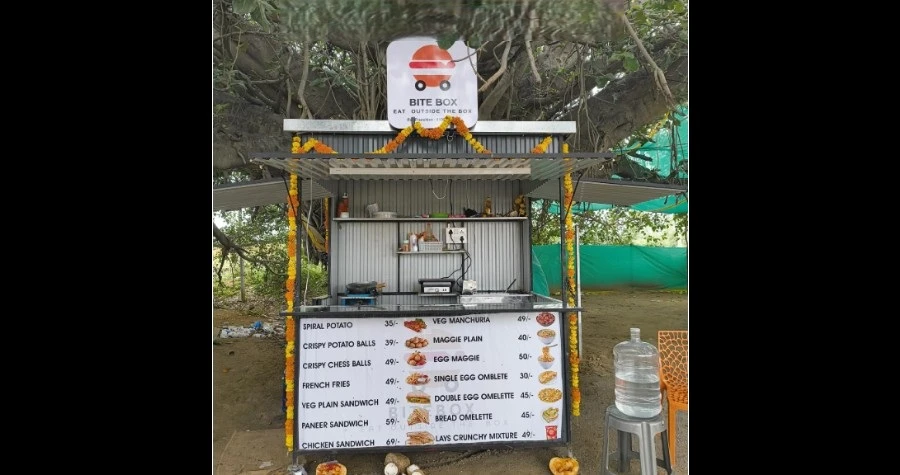
The menu is structured around fast food and street food categories.
Core Menu:
- Burgers and sandwiches
- Wraps and rolls
- Loaded fries and snack items
- Street food-inspired quick meals
Additional Offerings:
- Combo meals and value packs
- Beverages and desserts
- Limited-time or seasonal menu items
Menu Characteristics:
- Mix of vegetarian and non-vegetarian options
- Adaptability to regional taste preferences
- Focus on quick preparation and standardized recipes
4. How the Franchise Model Works
The franchise model is designed for small-format, scalable food outlets.
Role of the Franchise Partner:
- Set up and operate the outlet or food truck
- Manage daily operations including inventory and staff
- Execute local marketing and promotions
- Maintain product quality and service standards
Operational Structure:
- Compact kitchen setup optimized for speed
- Focus on takeaway and delivery with optional dine-in
- Standardized menu and preparation processes
Franchisor Support:
- Operational training and process guidance
- Store setup assistance and layout planning
- Marketing templates and campaign support
- Technology systems such as POS and order management
This model enables franchisees to operate with predefined systems and reduced complexity.
5. Franchise Cost and Investment Overview
The franchise is positioned as a low-investment entry into the food service sector.
Estimated Investment:
- INR 50,000 to INR 2 Lakh
Key Cost Components:
- Kitchen equipment and appliances
- Outlet or food truck setup
- Initial inventory and packaging
- Branding and marketing materials
Details regarding franchise fee and royalty structure are not specified.
6. Space and Infrastructure Requirements
The model is designed for compact and flexible setups.
Space Requirement:
- 100 to 200 sq. ft.
Setup Formats:
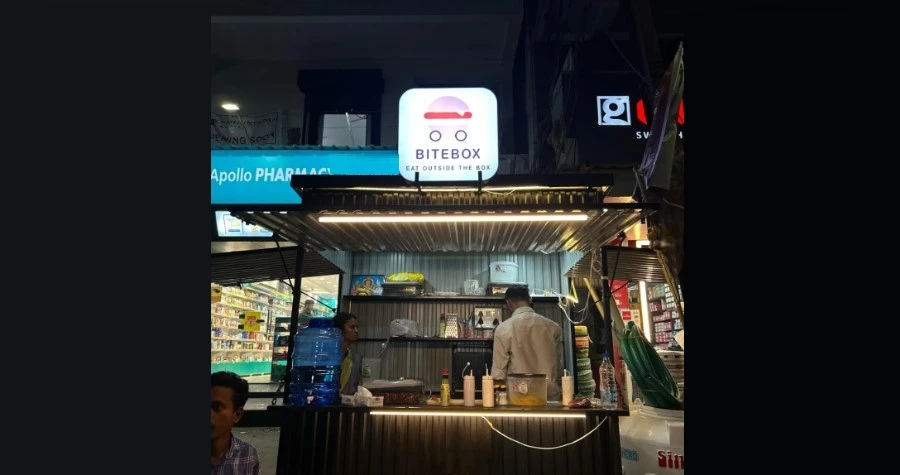
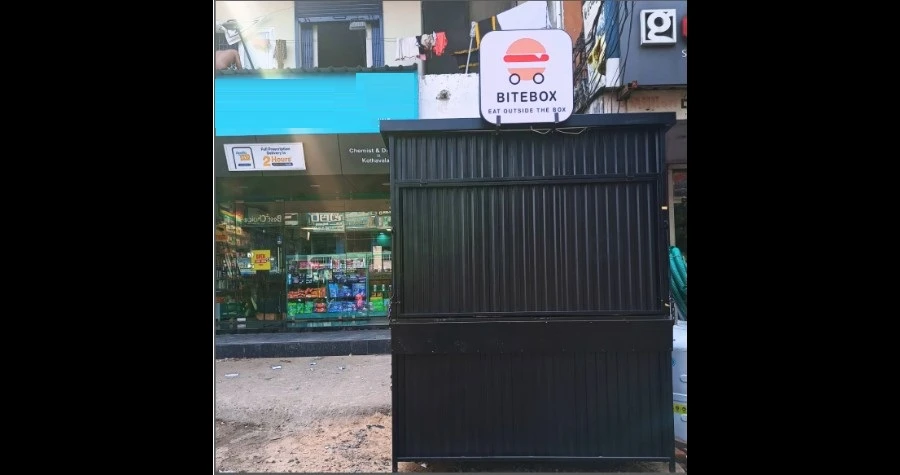
- Kiosks
- Small takeaway outlets
- Food trucks or mobile vans
Preferred Locations:
- High footfall areas
- Commercial zones, colleges, and office clusters
- Food courts or street-side retail spots
Staffing:
- Small team handling food preparation and service
7. Training and Franchise Support
The brand provides structured onboarding and operational support.
Training Areas:
- Food preparation and kitchen workflow
- Inventory and cost management
- Customer service standards
- Use of POS and digital ordering systems
Ongoing Support:
- Marketing and promotional assistance
- Operational monitoring and guidance
- Access to vendor networks and supply systems
These systems help maintain consistency and reduce operational learning curves.
8. Revenue Model and ROI Factors
Revenue is driven by volume-based food sales.
Revenue Streams:
- Walk-in and takeaway orders
- Online delivery platforms
- Combo meals and bundled pricing
Key ROI Factors:
- Location and customer footfall
- Menu pricing and cost control
- Speed of service and order turnover
- Customer retention and repeat purchases
Payback Period:
- Estimated between 1 to 2 years
Performance depends on efficient operations and consistent demand.
9. Brand History and Expansion
Bite Box was established in 2025 and began franchising in the same year. The network has expanded to approximately 20 to 50 outlets, indicating early-stage scaling within the fast food and mobile food segment.
The brand is positioned for expansion across urban and semi-urban markets through compact and flexible outlet formats.
10. Key Advantages of the Franchise
- Operates in the fast-growing quick service and street food segment
- Low capital requirement compared to traditional restaurants
- Flexible formats including kiosks and food trucks
- High scalability with small space requirements
- Menu designed for broad consumer appeal
- Structured operational and marketing support
11. Investor Questions
What is the investment required for Bite Box franchise?
The estimated investment ranges from INR 50,000 to INR 2 lakh, depending on the format and setup. This makes it accessible for small-scale entrepreneurs entering the food business.
How does the Bite Box franchise business work?
The business operates as a quick service food outlet or mobile unit, generating revenue through direct sales and delivery orders. Standardized processes enable fast preparation and consistent output.
What space is required for this franchise?
A compact space of 100 to 200 sq. ft. is sufficient. The model also supports mobile formats such as food trucks.
How long does it take to recover the investment?
The expected payback period is around 1 to 2 years, influenced by location, sales volume, and operational efficiency.
How can investors apply for the franchise?
Investors can initiate the process through franchise enquiry channels, followed by evaluation, location selection, and onboarding support.