
Biryani Darbar Franchise
Franchise Quick Facts
| Brand Name | Biryani Darbar |
|---|---|
| Industry / Business Category | Quick Service Restaurants (QSR) |
| Founded Year | 2014 |
| Franchise Started Year | 2023 |
| Total Franchise Outlets | 1–10 |
| Estimated Investment | INR 20 Lakh – 30 Lakh |
| Franchise Fee | Not specified |
| Royalty Fee | 6% |
| Space Requirement | 400 – 500 sq. ft. |
| Staff Requirement | Moderate team (kitchen + service staff) |
| Expected Payback Period | 1 – 2 years |
1. What is Biryani Darbar?
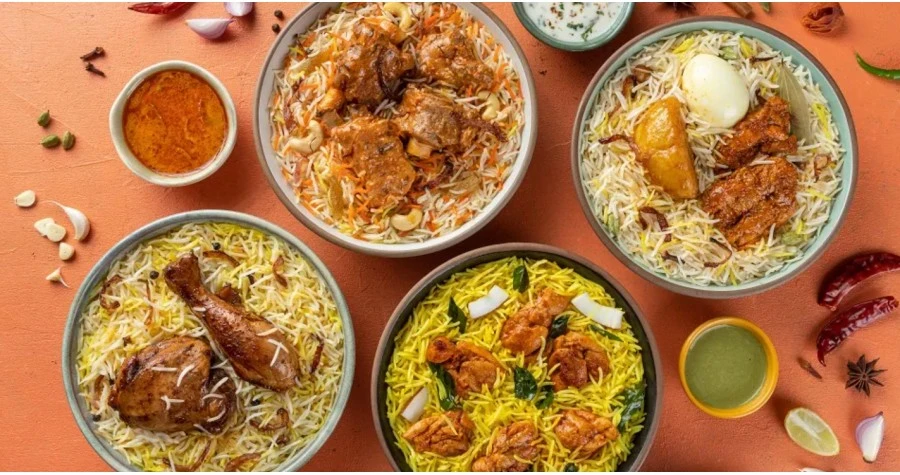
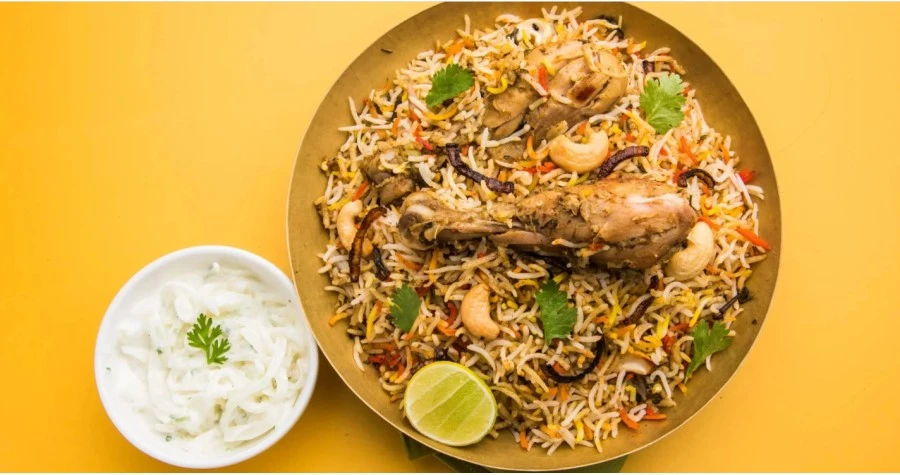
Biryani Darbar is a quick service restaurant brand focused on serving biryani and complementary Indian dishes through dine-in and takeaway formats. It operates in the organized food service sector, catering to urban consumers looking for consistent, ready-to-serve meals with a focus on traditional recipes and standardized preparation.
The franchise model enables investors to run a branded QSR outlet offering a structured menu built around biryani as the core product.
2. How the Business Works
The business operates through physical restaurant outlets designed for dine-in, takeaway, and local delivery.
Customers visit the outlet or place orders through digital platforms. Orders are prepared in-house using defined recipes and cooking processes. Meals are served directly to customers or packed for takeaway and delivery.
Operational flow includes:
- Ingredient sourcing and preparation
- Batch cooking using standardized methods
- Order management and service
- Customer handling and billing
Revenue is generated through individual orders, group dining, and bulk food requests.
3. Products or Services Offered
The menu is centered around biryani and supported by a range of related food items.
Core Menu:
- Chicken biryani
- Mutton biryani
- Vegetarian biryani options
Complementary Items:
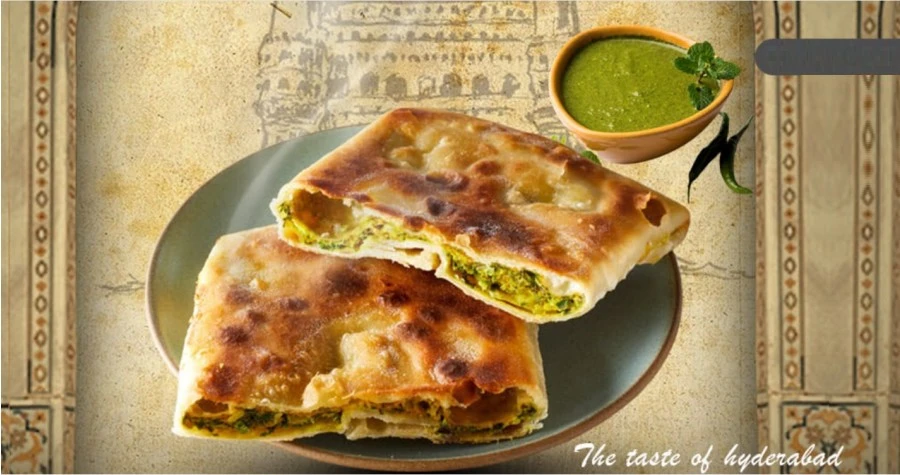
- Kebabs and grilled starters
- Curry-based side dishes
- Raita and accompaniments
- Traditional desserts
Service Formats:
- Dine-in meals
- Takeaway orders
- Group and family dining
The menu structure supports both individual consumption and larger meal occasions.
4. How the Franchise Model Works
The franchise system is based on standardized restaurant operations under brand supervision.
Franchise Partner Responsibilities:
- Set up and operate the outlet as per brand guidelines
- Manage kitchen operations and customer service
- Recruit and supervise staff
- Maintain food quality and hygiene standards
Franchisor Support:
- Brand usage and menu framework
- Operational guidelines and SOPs
- Training for kitchen and service staff
- Assistance in outlet setup and layout planning
The model emphasizes controlled expansion, focusing on maintaining consistency across outlets.
5. Franchise Cost and Investment Overview
The investment level reflects a full-scale QSR setup.
Estimated Investment:
- INR 20 Lakh to INR 30 Lakh
Cost Components:
- Interior setup and kitchen infrastructure
- Equipment and cooking systems
- Initial inventory and raw materials
- Licensing and compliance
- Branding and signage
Ongoing Fees:
- Royalty fee of approximately 6% on revenue
The overall investment varies based on location, outlet size, and setup specifications.
6. Space and Infrastructure Requirements
The business requires a medium-sized commercial setup suitable for dine-in operations.
Space Requirement:
- 400 to 500 sq. ft.
Location Type:
- High footfall commercial areas
- Food streets or retail clusters
- Urban residential catchments
Infrastructure Needs:
- Full kitchen setup with cooking stations
- Dining area with seating
- Storage and preparation zones
- Billing and service counters
Staffing:
- Kitchen staff (chefs and helpers)
- Service staff for customer handling
This format supports both walk-in customers and delivery operations.
7. Training and Franchise Support
Franchise partners receive structured onboarding and operational support.
Training Areas:
- Food preparation techniques and recipes
- Kitchen workflow management
- Service and customer interaction
- Hygiene and safety practices
Ongoing Support:
- Menu updates and process improvements
- Operational audits and quality checks
- Guidance on maintaining consistency
- Support for store-level performance optimization
These systems are intended to standardize output and reduce operational variability.
8. Revenue Model and ROI Factors
Revenue is driven by dine-in traffic, takeaway orders, and repeat customers.
Revenue Streams:
- Individual meal orders
- Family or group dining
- Add-on items and side dishes
Key Factors Influencing ROI:
- Location and footfall
- Pricing and menu mix
- Operational efficiency
- Customer retention and repeat visits
Payback Period:
- Estimated between 1 and 2 years
Profitability depends on maintaining steady order volume and managing operating costs.
9. Brand History and Expansion
The brand was established in 2014 and began franchising in 2023. Initial growth has been gradual, with a limited number of outlets currently in operation.
Expansion plans include increasing outlet presence across multiple cities, with a long-term goal of scaling the network while maintaining operational consistency. There is also interest in entering international markets aligned with demand for Indian cuisine.
10. Key Advantages of the Franchise
- Established presence in a high-demand food category
- Structured QSR model with dine-in and takeaway options
- Standardized menu supporting repeat consumption
- Scalable expansion with controlled growth approach
- Revenue potential from both individual and group orders
- Defined operational systems and training support
11. Investor Questions
What is the investment required for Biryani Darbar franchise?
The estimated investment ranges from INR 20 lakh to INR 30 lakh, depending on outlet size, location, and setup requirements.
How does the Biryani Darbar franchise business work?
The franchise operates as a quick service restaurant offering biryani and related dishes through dine-in, takeaway, and delivery channels using standardized processes.
What space is required for this franchise?
An area of approximately 400 to 500 sq. ft. is required to accommodate kitchen operations and customer seating.
How long does it take to recover the investment?
The expected payback period is typically between 1 and 2 years, based on location performance and operational efficiency.
How can investors apply for the franchise?
Interested investors can apply by reaching out through the brand’s official communication channels or franchise enquiry platforms.