


Beliram Degchivala Foods Franchise
Brand Information Snapshot
| Brand Name | Beliram Degchivala Foods |
|---|---|
| Industry Category | Food & Beverage |
| Business Segment | North Indian Cuisine Quick Service Restaurant (QSR) |
| Founded Year | 2010 |
| Franchise Started Year | 2010 |
| Headquarters | India |
| Number of Franchise Outlets | 1–10 |
1. What is Beliram Degchivala Foods?
Beliram Degchivala Foods is a franchise-based quick service restaurant brand operating in the Indian food segment, offering North Indian and Punjabi cuisine through dine-in, takeaway, and delivery formats.
The brand focuses on delivering traditional Indian meals with standardized preparation and consistent quality across outlets.
2. How the Business Works
The business operates as a QSR model designed for both dine-in and delivery-focused consumption.
A typical customer journey includes:
- Visiting the outlet or placing an order online
- Selecting dishes from a North Indian menu
- Receiving freshly prepared meals
- Consuming on-site or through takeaway/delivery
Daily operations include kitchen preparation, order management, packaging, and customer service.
Revenue is generated through food sales across dine-in, takeaway, and delivery channels.
3. Products or Services Offered
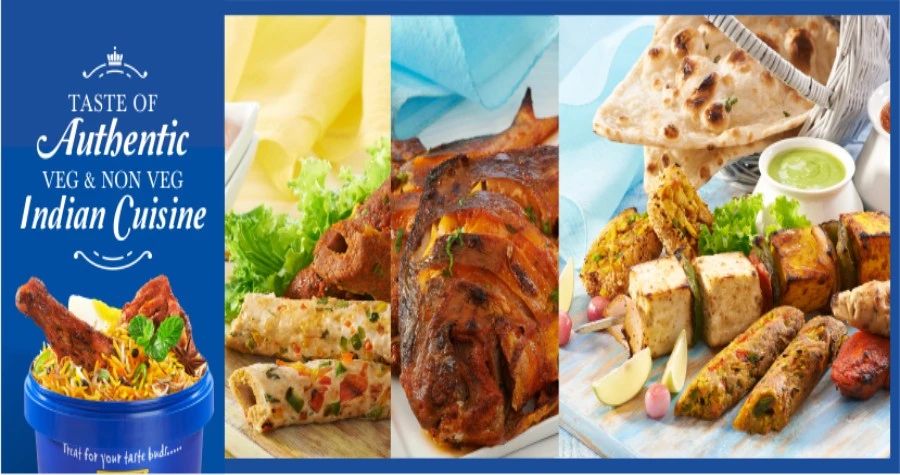
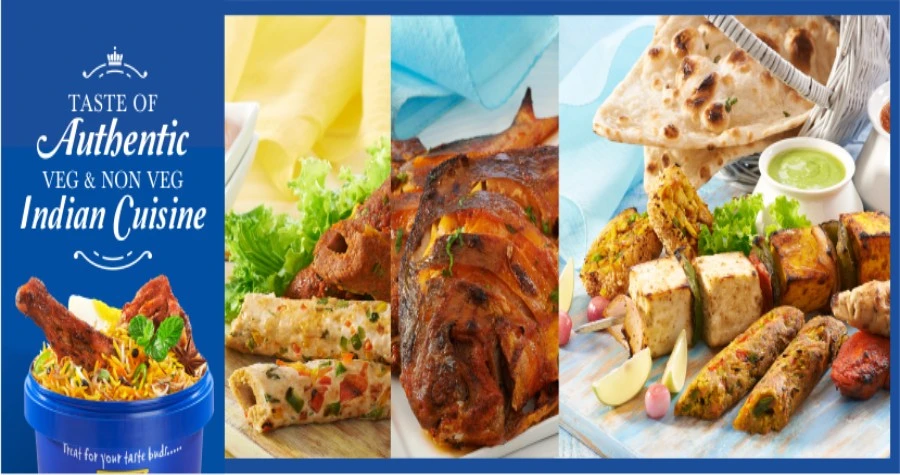
The menu is centered on traditional Indian cuisine.
Core Product Categories:
- Punjabi Main Course Dishes
Rich gravies and traditional Indian preparations
- Tandoori Items
Grilled and roasted dishes prepared in tandoor
- Tawa-Based Dishes
Freshly cooked items with regional flavors
- Vegetarian Menu Options
Wide selection catering to vegetarian consumers
- Takeaway and Delivery Meals
Packaged food designed for off-premise consumption
The product mix caters to both individual meals and family orders.
4. How the Franchise Model Works
The franchise model is structured around compact QSR outlets with standardized operations.
Franchise Partner Responsibilities:
- Set up and manage the restaurant outlet
- Oversee kitchen operations and staff
- Maintain food quality, hygiene, and service standards
- Handle local marketing and business management
Franchisor Role:
- Provide brand identity and menu framework
- Offer support in site selection and outlet setup
- Deliver training through operational outlets
- Provide marketing, operational, and field support
- Enable use of proprietary POS and IT systems
- Allocate defined territories to franchise partners
The model is designed to ensure consistency and operational efficiency across locations.
5. Franchise Cost and Investment Overview
The investment requirement is positioned in the mid-range for QSR businesses.
Investment Details:
| Estimated Investment | INR 20 Lakh – 30 Lakh |
|---|---|
| Franchise Fee | INR 3,00,000 |
| Royalty Fee | 4% |
Cost Components:
- Kitchen setup and cooking equipment
- Outlet interiors and branding
- Initial inventory and raw materials
- Staffing and training expenses
- Technology systems and POS setup
The investment reflects a balance between infrastructure and operational readiness.
6. Space and Infrastructure Requirements
The business is designed for compact QSR spaces.
Requirements:
| Space Needed | 200 – 400 sq. ft. |
|---|---|
| Location Preference | High-density residential areas, commercial zones, or food clusters |
| Infrastructure Needs | — |
- Kitchen and preparation area
- Service counter
- Storage and packaging space
Staffing:
- Kitchen staff and helpers
- Counter or service staff
The compact format supports efficient operations and lower rental costs.
7. Training and Franchise Support
Support systems are structured to ensure operational consistency.
Support Includes:
- Assistance in site selection and outlet setup
- Training at existing operational outlets
- Marketing and advertising support
- Field-level operational guidance
- Access to POS and IT systems
These systems help franchisees manage operations and maintain service standards.
8. Revenue Model and ROI Factors
Revenue is generated through food sales across multiple channels.
Key Revenue Drivers:
- Demand for North Indian and Punjabi cuisine
- Delivery and takeaway orders
- Repeat customers for regular meals
- Family and group orders
ROI Considerations:
Estimated Payback Period: 3–5 months
- Strong demand for Indian cuisine in urban markets
- Efficient packaging supports delivery revenue
- Profitability influenced by order volume and cost management
The model benefits from high-frequency consumption and delivery demand.
9. Brand History and Expansion
- Established in 2010
- Started from a small kitchen setup in Delhi
- Expanded to multiple outlets in Delhi/NCR
- Growth strategy focused on franchise expansion across regions
The brand has developed within the organized Indian QSR segment.
10. Key Advantages of the Franchise
- Operates in a high-demand Indian food category
- Compact outlet format reduces setup costs
- Strong focus on delivery and takeaway business
- Established menu with traditional cuisine appeal
- Structured franchise support including training and technology
- Defined territories for franchise operations
Franchise Investment Snapshot
| Estimated Investment | INR 20 Lakh – 30 Lakh |
|---|---|
| Franchise Fee | INR 3,00,000 |
| Royalty Fee | 4% |
| Space Requirement | 200 – 400 sq. ft. |
| Payback Period | 3–5 Months |
| Number of Outlets | 1–10 |