


Banjo’S Franchise
Franchise Quick Facts
| Brand Name | Banjo’S |
|---|---|
| Industry / Business Category | Food & Beverage (Quick Service Restaurant – Pizza & Fast Food) |
| Founded Year | 2017 |
| Franchise Started Year | 2019 |
| Total Franchise Outlets | 20–50 |
| Estimated Investment | INR 10 Lakh – 20 Lakh |
| Franchise Fee | INR 5,00,000 |
| Royalty Fee | No royalty |
| Space Requirement | 200 – 300 sq. ft. |
| Staff Requirement | Small QSR team (kitchen + service staff) |
| Expected Payback Period | 1–2 Years |
1. What is Banjo’S?
Banjo’S is a quick service restaurant (QSR) franchise operating in the fast-food segment, offering pizzas, burgers, sandwiches, and beverages through compact dine-in and takeaway outlets.
The brand focuses on delivering freshly prepared fast food items to urban consumers, including students, families, and working professionals. It operates in the casual dining and takeaway market, combining affordability with a diversified menu.
2. How the Business Works
The business follows a standard QSR operating model centered on high-volume, quick service food preparation.
Operational workflow
- Customers place orders at the counter or through takeaway systems
- Food items are prepared fresh in the kitchen using standardized recipes
- Orders are served for dine-in or packaged for takeaway
- Outlets operate with limited seating or compact formats to optimize space
Revenue is generated through direct food sales, with repeat purchases driven by menu variety and daily consumption demand.
3. Products or Services Offered
Franchise outlets provide a diversified fast-food menu.
Core Menu Categories
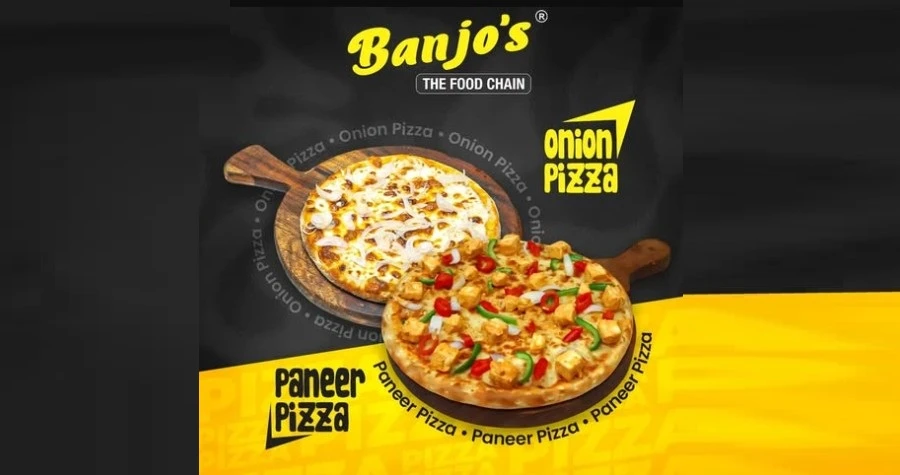
- Pizzas
- Hand-prepared pizza variants
- Combination of traditional and customized toppings
- Burgers
- Veg and non-veg options
- Quick-serve, high-demand items
- Sandwiches
- Freshly assembled sandwiches
- Light meal and snack options
- Beverages and Add-ons
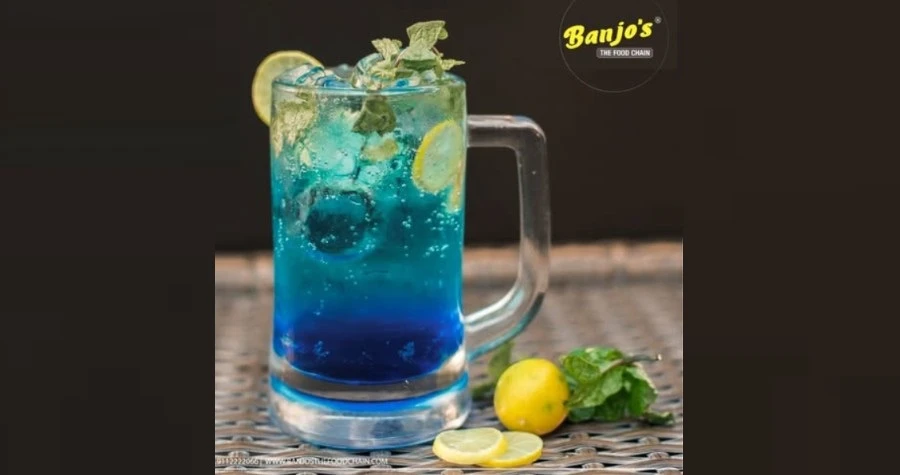
- Soft drinks and mocktails
- Side items and desserts
The menu structure is designed to cater to multiple consumption occasions, including snacks, meals, and group orders.
4. How the Franchise Model Works
The franchise model allows partners to operate small-format QSR outlets under the Banjo’S brand.
Franchise Partner Responsibilities
- Set up and manage the outlet
- Handle daily operations, including food preparation and service
- Manage staff and customer experience
- Execute local marketing and promotions
Franchisor Responsibilities
- Provide standardized recipes and menu structure
- Guide outlet setup and kitchen planning
- Support branding and positioning
- Assist with operational processes
The outlet operates as a high-turnover food service unit with a focus on efficiency and consistency.
5. Franchise Cost and Investment Overview
The investment requirement is relatively moderate compared to full-scale restaurants.
| Estimated Investment | INR 10 Lakh – 20 Lakh |
|---|---|
| Franchise Fee | INR 5,00,000 |
| Royalty Fee | Not applicable |
Investment Components Include
- Kitchen equipment and appliances
- Interior setup and branding
- Initial raw material and inventory
- Staff hiring and training
- Working capital
The absence of royalty fees can impact long-term cost structure positively for franchise operators.
6. Space and Infrastructure Requirements
The model is designed for compact urban outlets.
| Space Requirement | 200 – 300 sq. ft. |
|---|---|
| Preferred Locations | High footfall areas such as college zones, commercial streets, and residential clusters |
Infrastructure Needs
- Compact kitchen setup
- Food preparation counters
- Basic seating or takeaway counter
- Storage and refrigeration units
Staffing Requirements
- Kitchen staff
- Service or counter staff
- Outlet supervisor or manager
7. Training and Franchise Support
Franchise partners receive operational guidance to standardize food quality and service.
Support Areas Include
- Training on food preparation and recipes
- Setup guidance for kitchen layout and equipment
- Operational procedures for daily management
- Branding and menu standardization
- Assistance in launching the outlet
These systems help maintain consistency across locations and simplify operations for new operators.
8. Revenue Model and ROI Factors
Revenue is driven by daily food sales and repeat customer visits.
Primary Revenue Sources
- Pizza and fast-food sales
- Combo meals and add-on items
- Beverage and side item sales
Key ROI Factors
- Location and foot traffic
- Pricing strategy and menu mix
- Speed of service and order volume
- Repeat customers and local brand recall
Expected Payback Period: 1–2 Years
The model benefits from frequent consumption patterns and relatively low operational footprint.
9. Brand History and Expansion
The business was established in 2017 in Nashik as a local fast-food venture.
Franchise expansion began in 2019, leading to the development of multiple outlets across the region. The current network includes 20 to 50 locations, indicating ongoing growth within the quick service restaurant segment.
Expansion is driven by demand for affordable fast food and scalable small-format outlets.
10. Key Advantages of the Franchise
- Operates in a high-demand fast-food and QSR segment
- Compact outlet model with lower space requirements
- No royalty fee structure
- Multi-product menu supporting repeat purchases
- Suitable for high footfall urban locations
- Scalable business format with standardized operations
- Relatively lower entry cost compared to full-service restaurants
What is the investment required for Banjo’S franchise?
The investment typically ranges between INR 10 lakh and 20 lakh, including setup, equipment, and working capital requirements.
How does the Banjo’S franchise business work?
The business operates as a quick service restaurant where customers order food items such as pizzas and burgers, which are prepared and served quickly for dine-in or takeaway.
What space is required for this franchise?
A compact space of 200 to 300 sq. ft. is sufficient, making it suitable for high-density urban locations.
How long does it take to recover the investment?
The expected payback period is approximately 1 to 2 years, depending on sales volume and operational efficiency.
How can investors apply for the franchise?
Interested investors can connect with the brand to discuss location availability, investment requirements, and onboarding procedures.
