



Bambino International Montessory School Franchise
Franchise Quick Facts
| Brand Name | Bambino International Montessori School |
|---|---|
| Industry / Business Category | Preschool Education |
| Founded Year | 2015 |
| Franchise Started Year | 2018 |
| Total Franchise Outlets | 10–20 |
| Estimated Investment | INR 5 lakh – 10 lakh |
| Franchise Fee | INR 3,00,000 |
| Royalty Fee | 10% |
| Space Requirement | 2500 – 3500 sq. ft. |
| Staff Requirement | Teaching staff and administrative team |
| Expected Payback Period | 1–2 years |
1. What is Bambino International Montessori School?
Bambino International Montessori School is a preschool franchise operating in the early childhood education sector, delivering learning programs based on Montessori principles combined with structured academic frameworks.
The brand focuses on early-stage education for young children, emphasizing cognitive development, social skills, and experiential learning through structured classroom environments.
2. How the Business Works
The business operates as a preschool and early learning center.
Typical customer journey:
- Parents enroll children into structured preschool programs
- Students attend regular classroom sessions
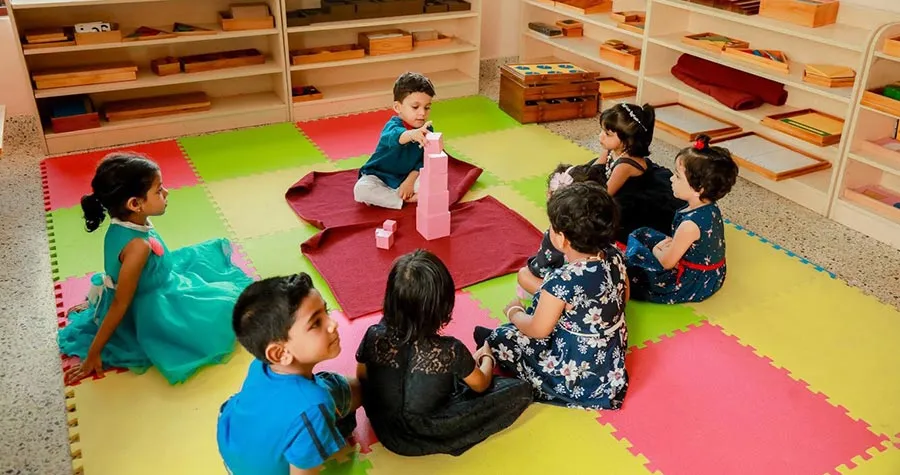
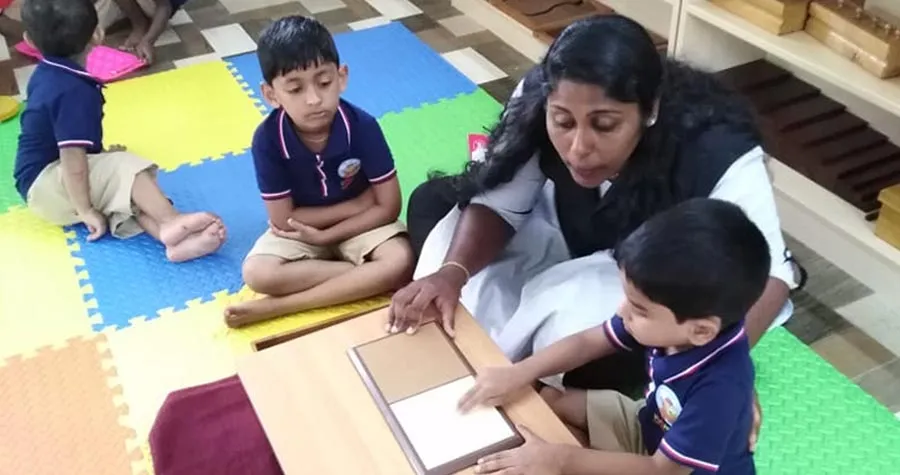
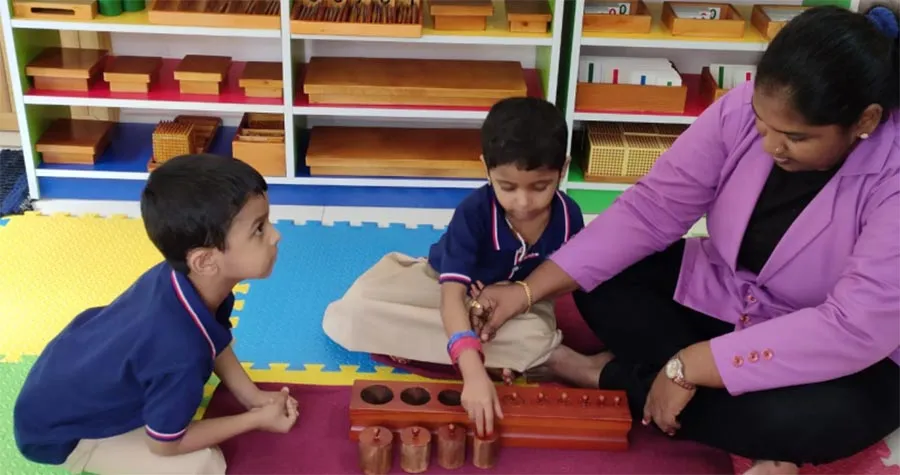
- Learning is delivered through guided activities, observation, and interaction
- Progress is monitored and communicated to parents
Daily operations include:
- Conducting classroom sessions using defined methodologies
- Managing admissions and parent communication
- Organizing activities focused on child development
- Maintaining academic and operational standards
Revenue is generated through:
- Admission fees
- Tuition fees for ongoing programs
- Additional learning modules or activities
3. Products or Services Offered
Franchise outlets provide early education and development programs.
Preschool Education Programs
- Age-specific foundational learning
- Structured academic preparation
Montessori-Based Learning
- Activity-based learning systems
- Observation-driven teaching methods
Cognitive Development Programs
- Activities designed to improve concentration and understanding
- Skill-building exercises for early learners
Experiential Learning Environment
- Classroom setups encouraging exploration
- Learning through interaction and engagement
Teacher Training and Academic Support
- Structured systems for delivering consistent education
4. How the Franchise Model Works
The franchise operates as an education center following standardized academic and operational systems.
Operational structure
- Franchise partners establish and operate a preschool facility
- The brand provides curriculum frameworks and operational guidelines
- Daily teaching and administration are managed locally
Franchise partner responsibilities
- Setting up infrastructure and hiring staff
- Managing admissions and local outreach
- Delivering programs according to defined standards
- Ensuring compliance with brand guidelines
Franchisor role
- Providing academic frameworks and teaching methodologies
- Delivering training for staff
- Offering operational and branding support
- Assisting in maintaining quality standards across centers
5. Franchise Cost and Investment Overview
The investment requirement reflects a mid-scale preschool setup.
Estimated investment
| Total Investment | INR 5 lakh – 10 lakh |
|---|---|
| Franchise Fee | INR 3,00,000 |
| Royalty Fee | 10% |
Cost components include
- Classroom setup and interiors
- Educational materials and teaching aids
- Branding and infrastructure development
- Initial operational and administrative costs
This investment aligns with structured preschool models requiring dedicated space and facilities.
6. Space and Infrastructure Requirements
A larger setup is required to support classroom-based learning.
Requirements
| Space Needed | 2500 – 3500 sq. ft. |
|---|---|
| Preferred Locations | — |
- Residential neighborhoods
- Urban and semi-urban family-centric areas
Infrastructure needs
- Multiple classrooms
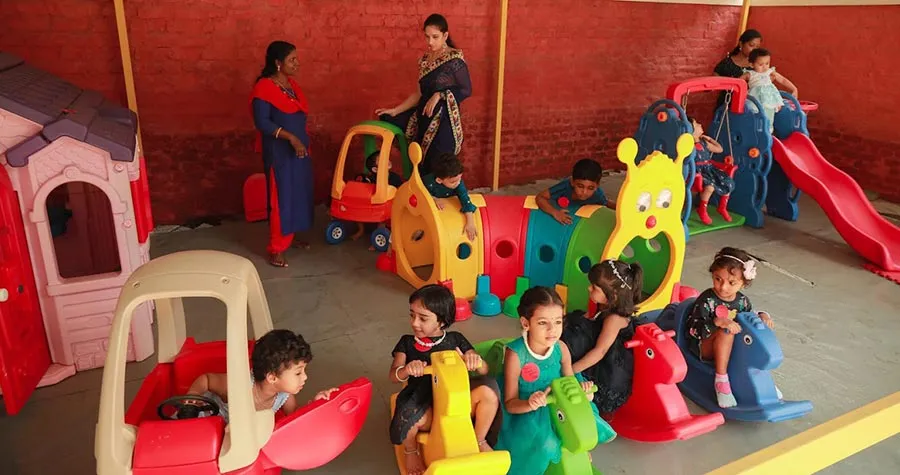
- Activity and play areas
- Administrative office space
- Child-friendly interiors and safety features
Staffing
- Qualified teaching staff
- Support staff for administration and operations
7. Training and Franchise Support
Support systems are structured around education delivery and operational setup.
Support includes
- Training for teaching and non-teaching staff
- Guidance on setting up the preschool infrastructure
- Academic frameworks and curriculum support
- Branding and operational assistance
- Ongoing support for maintaining quality standards
These systems help franchise partners maintain consistency in educational delivery.
8. Revenue Model and ROI Factors
Revenue is generated through structured education programs.
Revenue drivers
- Enrollment of students in preschool programs
- Recurring tuition fees
- Additional educational offerings
Key ROI factors
- Demand for early childhood education
- Capacity utilization of classrooms
- Retention of students across program levels
- Operational efficiency and cost management
Estimated payback period
- 1 to 2 years
Profitability depends on enrollment volume, fee structure, and location.
9. Brand History and Expansion
Bambino International Montessori School was established in 2015 and began franchising in 2018.
The brand has developed a network of approximately 10–20 franchise outlets.
Expansion strategy includes:
- Growing presence through franchise partnerships
- Expanding into residential education markets
- Strengthening standardized preschool delivery systems
10. Key Advantages of the Franchise
- Demand for structured early childhood education
- Established Montessori-based learning approach
- Recurring revenue through tuition-based model
- Scalable through multiple centers
- Structured training and operational support
- Potential for long-term student retention
Accepting franchise applications in 17 states & UTs
What is the investment required for Bambino International Montessori School franchise?
The estimated investment ranges from INR 5 lakh to 10 lakh, including infrastructure, educational materials, and setup costs. A franchise fee of INR 3,00,000 and a 10% royalty are applicable.
How does the Bambino International Montessori School franchise business work?
The business operates as a preschool center where children are enrolled in structured learning programs. Franchisees manage daily operations, staff, and admissions while following standardized teaching methods.
What space is required for this franchise?
A space of approximately 2500 to 3500 sq. ft. is required to accommodate classrooms, activity areas, and administrative functions.
How long does it take to recover the investment?
The expected payback period is between 1 to 2 years, depending on student enrollment and operational efficiency.
How can investors apply for the franchise?
Investors can apply by contacting the brand, undergoing an evaluation process, and proceeding with location approval, setup, and agreement formalities.
