


Bad Fashion Hill Franchise
Brand Information Snapshot
| Brand Name | Bad Fashion Hil |
|---|---|
| Industry Category | Retail / Apparel |
| Business Segment | Streetwear & Fashion Retail |
| Founded Year | 2025 |
| Franchise Started Year | 2025 |
| Headquarters | Not specified |
| Number of Franchise Outlets | 1–10 |
1. What is Bad Fashion Hil?
Bad Fashion Hil is a fashion retail franchise operating in the streetwear and apparel segment, offering urban-style clothing, gender-neutral fashion, and limited-edition collections through retail outlets.
The brand focuses on non-mainstream fashion, targeting consumers interested in expressive clothing, alternative styling, and contemporary streetwear trends.
2. How the Business Works
The business operates as a retail clothing store model with curated fashion collections.
Typical customer journey includes:
- Customers visit the store to browse apparel collections
- Selection of clothing items based on style preferences
- Purchase through in-store billing
Daily operations involve:
- Display and merchandising of apparel
- Inventory management and restocking
- Customer assistance and styling support
- Sales transactions and store maintenance
Revenue is generated through direct sales of clothing and fashion accessories, with repeat customers driven by new collections and product variety.
3. Products or Services Offered
The brand offers a focused range of fashion products aligned with streetwear and alternative apparel.
Core Product Categories
Streetwear Clothing
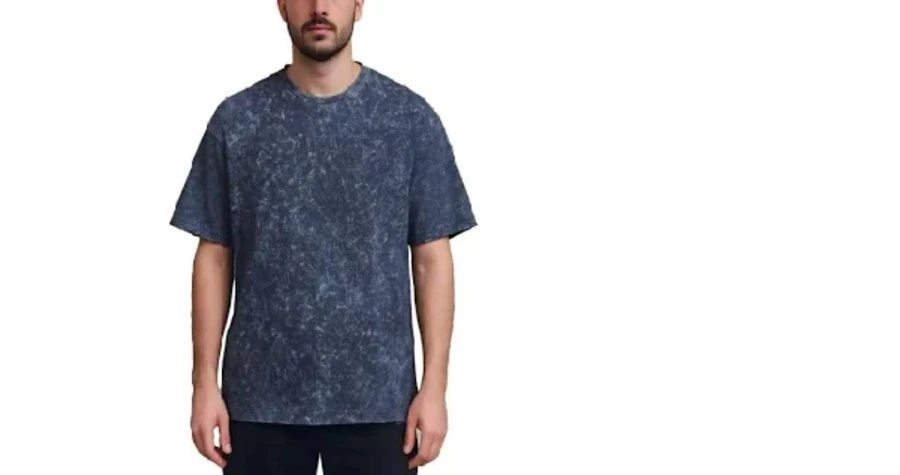
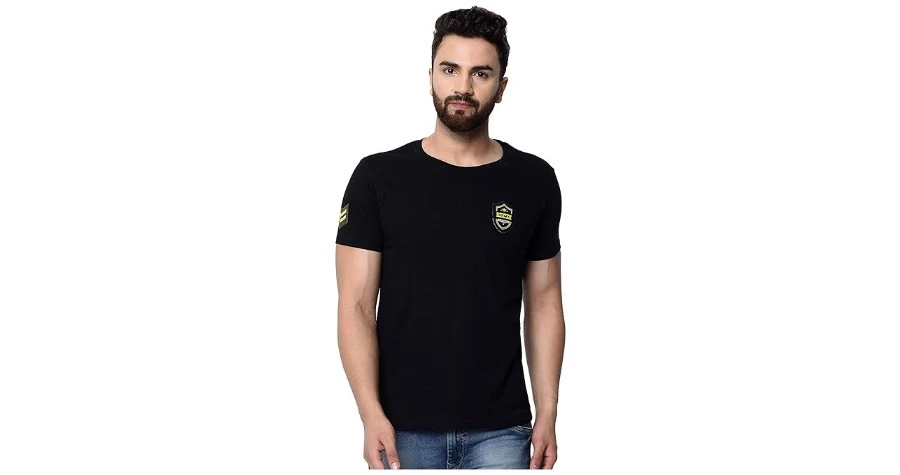
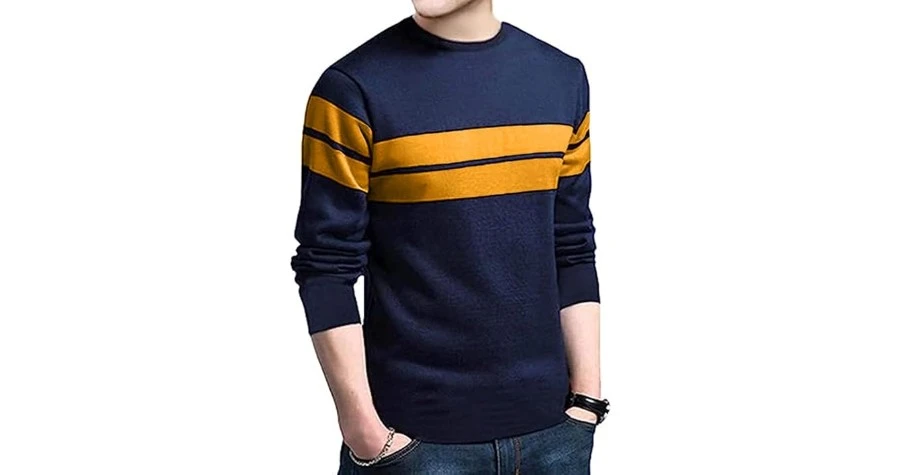
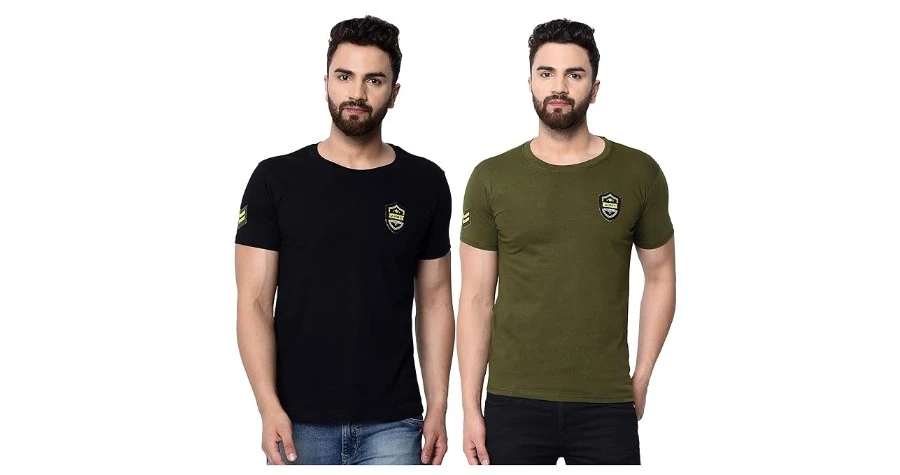
- Hoodies, graphic t-shirts, and casual apparel
Denim and Bottomwear
- Distressed jeans and fashion-oriented bottoms
Gender-Neutral Apparel
- Clothing designed for broad demographic use without category restrictions
Limited Edition Collections
- Small-batch product releases with restricted availability
Statement Fashion Pieces
- Apparel featuring unconventional cuts, prints, and textures
Sustainable Clothing Options
- Products developed using environmentally conscious materials and processes
4. How the Franchise Model Works
The franchise follows a retail store ownership model where franchise partners operate branded outlets.
Role of the Franchise Partner
- Set up and manage the retail store
- Handle inventory, merchandising, and sales
- Maintain store presentation and customer experience
- Execute day-to-day operations
Operational Structure
- Stores operate under a standardized brand identity
- Product collections are supplied or guided by the brand
- Franchisees manage local retail execution
Franchisor Interaction
- Provides brand guidelines and product direction
- Supports store setup and launch
- Offers marketing and promotional assistance
5. Franchise Cost and Investment Overview
The investment required varies based on store setup scale and inventory selection.
Investment Details
| Estimated Investment | INR 10,000 to INR 20 lakh |
|---|---|
| Franchise Fee | INR 4,00,000 |
Cost Components
- Store interiors and visual merchandising setup
- Initial inventory and stock procurement
- Branding and signage
- Retail fixtures and fittings
- Working capital for operations
Ongoing Considerations
- Inventory replenishment
- Staff salaries and store expenses
6. Space and Infrastructure Requirements
The format is designed for compact retail spaces in urban environments.
Space Requirement
- 300 to 400 sq. ft.
Location Preferences
- High footfall retail areas
- Shopping streets or malls
- Urban neighborhoods with fashion-oriented consumers
Infrastructure Needs
- Display racks and shelving
- Trial or fitting area
- Billing counter and POS system
- Storage for inventory
Staffing
- Small team for sales and store management
7. Training and Franchise Support
The brand provides foundational support for setting up and managing the store.
Support Areas
- Store setup and visual merchandising guidance
- Product and inventory planning
- Marketing and promotional assistance
Ongoing Support
- Brand-level direction on collections
- Guidance on maintaining store standards
- Support for customer engagement practices
8. Revenue Model and ROI Factors
Revenue is generated through the sale of apparel and fashion products.
Revenue Drivers
- Demand for streetwear and alternative fashion
- Limited-edition collections encouraging repeat visits
- Product differentiation through design and style
Pricing Approach
- Positioned within affordable to mid-range pricing segments
ROI Considerations
Estimated Payback Period: 1–2 years
- Performance depends on:
- Store location and footfall
- Product mix and inventory turnover
- Customer retention and brand appeal
9. Brand History and Expansion
The brand was established in 2025 and introduced franchising in the same year.
It is in an early-stage expansion phase, with a limited number of franchise outlets currently operational.
The expansion approach focuses on growing through small-format retail stores in urban markets.
10. Key Advantages of the Franchise
- Entry into the growing streetwear and urban fashion segment
- Compact store format with lower space requirements
- Limited-edition collections supporting repeat demand
- Flexible retail model suitable for various urban locations
- Brand-led product direction and merchandising support
Franchise Investment Snapshot
| Estimated Investment | INR 10,000 – 20 lakh |
|---|---|
| Franchise Fee | INR 4,00,000 |
| Royalty Fee | Not specified |
| Space Requirement | 300–400 sq. ft. |
| Payback Period | 1–2 years |
| Number of Outlets | 1–10 |