
Baap Of Rolls Franchise
Brand Information Snapshot
| Brand Name | Baap Of Rolls |
|---|---|
| Industry Category | Food & Beverage |
| Business Segment | Quick Service Restaurant (Kathi Rolls & Street Food) |
| Founded Year | 2020 |
| Franchise Started Year | 2021 |
| Headquarters | Not specified |
| Number of Franchise Outlets | 1 to 10 |
1. What is Baap Of Rolls?
Baap Of Rolls is a franchise-based quick service restaurant brand operating in the food and beverage sector, offering Kathi rolls and related fast-food items through standardized outlets and delivery-focused formats.
The business focuses on preparing and serving variations of Kathi rolls—an Indian street food—along with complementary menu items. It serves urban consumers seeking quick, affordable, and ready-to-eat meals through dine-in, takeaway, and online delivery channels.
2. How the Business Works
The business follows a QSR model designed for high-volume, quick-service food delivery.
Customer journey typically includes:
- Visiting an outlet or placing an order online
- Selecting from a menu of rolls and related items
- Receiving freshly prepared food for dine-in, takeaway, or delivery
Operational workflow involves:
- Daily preparation of ingredients and fillings
- Assembly of rolls using standardized recipes
- Order handling through counter service and delivery platforms
Revenue is generated through:
- Direct sale of food items
- Online food delivery orders
- Repeat purchases driven by frequent consumption patterns
The model depends on speed of service, consistency, and location-based demand.
3. Products or Services Offered
Core Product Category
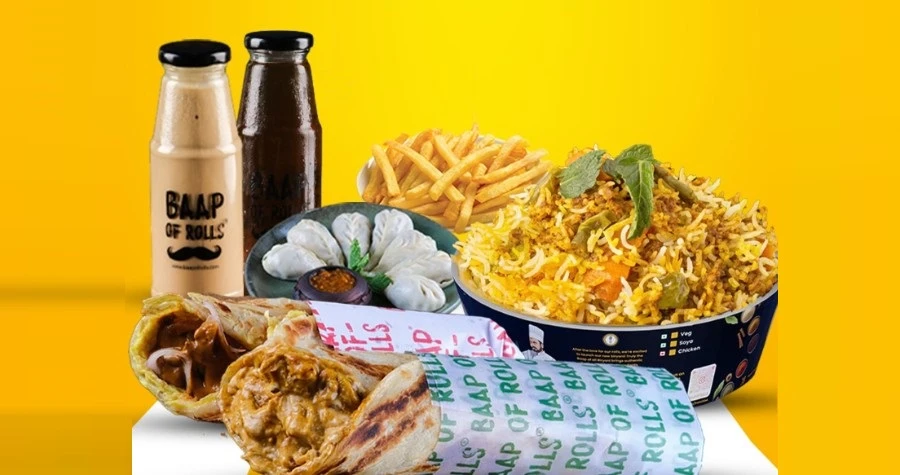
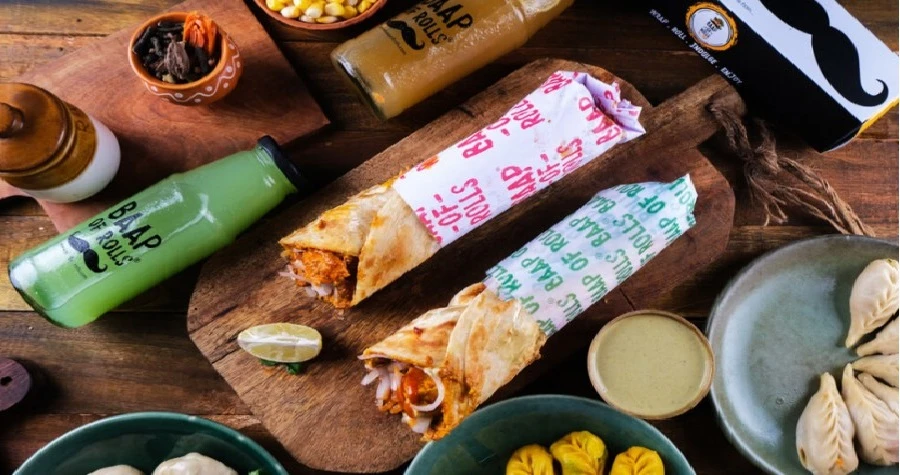
- Kathi rolls with vegetarian and non-vegetarian fillings
Menu Variations
- Chicken, mutton, and vegetarian rolls
- Fusion-style and customized roll options
Additional Offerings
- Side items and snacks
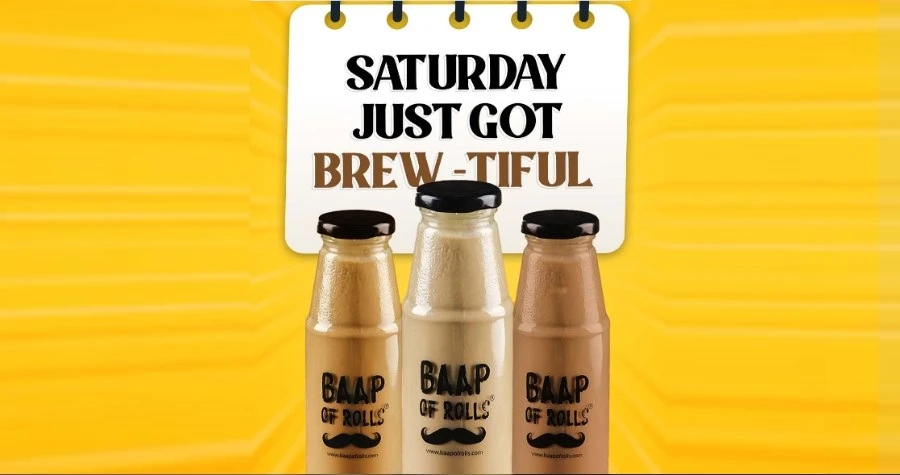
- Beverages
Special Menu Options
- Diet-oriented or alternative ingredient options
- Variants catering to different taste preferences
The product mix is structured to serve both quick meals and snack consumption occasions.
4. How the Franchise Model Works
The franchise model is structured around operating a compact quick service restaurant outlet.
Role of the Franchise Partner
- Set up and manage the outlet
- Handle food preparation and customer service
- Manage staff and daily operations
Operational Structure
- Standardized recipes and preparation processes
- Centralized brand and menu guidelines
- Integration with online delivery platforms
Franchisor–Franchisee Interaction
- The franchisor provides brand identity, menu framework, and operational systems
- Franchise partners manage execution at the outlet level
This model supports expansion through uniform product delivery and operational consistency.
5. Franchise Cost and Investment Overview
Estimated Investment
- INR 20,00,000 to INR 30,00,000
Franchise Fee
- INR 7,00,000
Royalty Fee
- Not specified
Cost Components
- Kitchen equipment and setup
- Interior and branding
- Initial inventory and raw materials
- Staff recruitment and working capital
The investment reflects a mid-scale quick service restaurant setup.
6. Space and Infrastructure Requirements
Space Requirement
- 250 to 500 sq. ft.
Location Preferences
- High-footfall commercial areas
- Food courts, high streets, or delivery-focused zones
Infrastructure Needs
- Kitchen with cooking and preparation equipment
- Storage for raw materials
- Counter or limited seating (if applicable)
Staffing Requirements
- Kitchen staff for preparation
- Service staff for order handling
7. Training and Franchise Support
Franchise partners receive operational support to maintain standardization.
Training Support
- Food preparation techniques and recipes
- Kitchen operations and hygiene standards
Setup Support
- Assistance with outlet design and setup
- Guidance on equipment and processes
Ongoing Support
- Menu updates and operational guidance
- Support for delivery platform integration
- Business and process management assistance
These systems help franchise partners maintain consistent service quality.
8. Revenue Model and ROI Factors
Revenue Streams
- Sale of rolls and food items
- Online delivery sales
- Add-on sales from beverages and sides
Demand Drivers
- Popularity of street food and quick meals
- Growth in food delivery platforms
- Urban consumption patterns
Customer Retention
- Repeat purchases driven by affordability and convenience
- Menu variety supporting broader customer base
Payback Period
- Estimated between 1 to 2 years
Profitability Factors
- Outlet location and footfall
- Order volume and delivery demand
- Cost control in ingredients and operations
9. Brand History and Expansion
The brand was established in 2020 and began franchising in 2021.
It currently operates a small network of 1 to 10 outlets, indicating an early-stage expansion model.
Growth is focused on expanding into urban markets through standardized QSR formats.
10. Key Advantages of the Franchise
- Operates in the quick service and street food segment with steady demand
- Focus on a specific product category with multiple variations
- Compatible with dine-in, takeaway, and delivery models
- Standardized preparation simplifies operations
- Repeat customer potential due to frequent consumption
- Expansion opportunity in urban food markets
Franchise Investment Snapshot
| Estimated Investment | INR 20,00,000 – INR 30,00,000 |
|---|---|
| Franchise Fee | INR 7,00,000 |
| Royalty Fee | Not specified |
| Space Requirement | 250 – 500 sq. ft. |
| Payback Period | 1 – 2 years |
| Number of Outlets | 1 to 10 |