Baadaapaa Dabeli Franchise
Brand Information Snapshot
| Brand Name | Baadaapaa Dabeli |
|---|---|
| Industry Category | Food & Beverage |
| Business Segment | Quick Service Restaurant (Indian Snacks & Cloud Kitchen) |
| Founded Year | 2014 |
| Franchise Started Year | 2019 |
| Headquarters | Not specified |
| Number of Franchise Outlets | 1 to 10 |
1. What is Baadaapaa Dabeli?
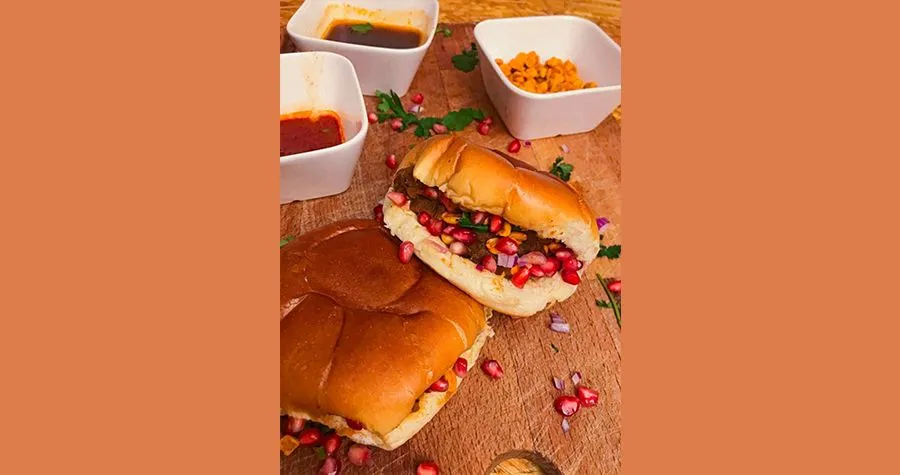
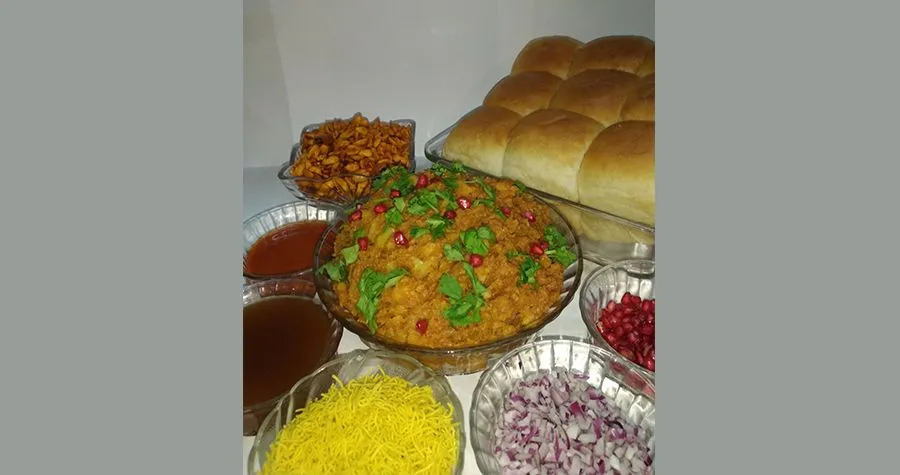
Baadaapaa Dabeli is a franchise-based quick service restaurant brand operating in the food and beverage sector, offering Dabeli and related Indian snack items through small-format outlets and cloud kitchen models.
The business focuses on standardized preparation and distribution of a regional Indian snack, supported by ready-to-cook kits and a diversified menu that includes traditional, fusion, and health-oriented food options.
2. How the Business Works
The business operates through a combination of retail food service, cloud kitchen delivery, and product-based supply.
Customer journey typically includes:
- Ordering food at a physical outlet or through online platforms
- Receiving freshly prepared items via dine-in, takeaway, or delivery
- Repeat purchases driven by snack consumption habits
Operational workflow involves:
- Preparing food using standardized recipes and pre-prepared kits
- Managing kitchen operations and order processing
- Handling online delivery orders through aggregator platforms
Revenue is generated through:
- Sale of prepared food items
- Delivery-based orders via cloud kitchen operations
- Supply of ready-to-cook kits for home or commercial use
The model combines food service with product-based revenue streams.
3. Products or Services Offered
Core Offering
- Kacchhi Dabeli and related snack items
Ready-to-Cook Products
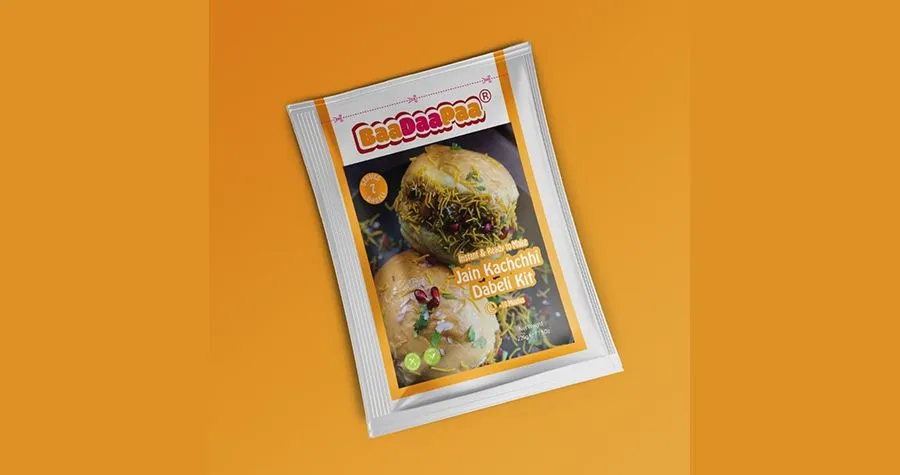
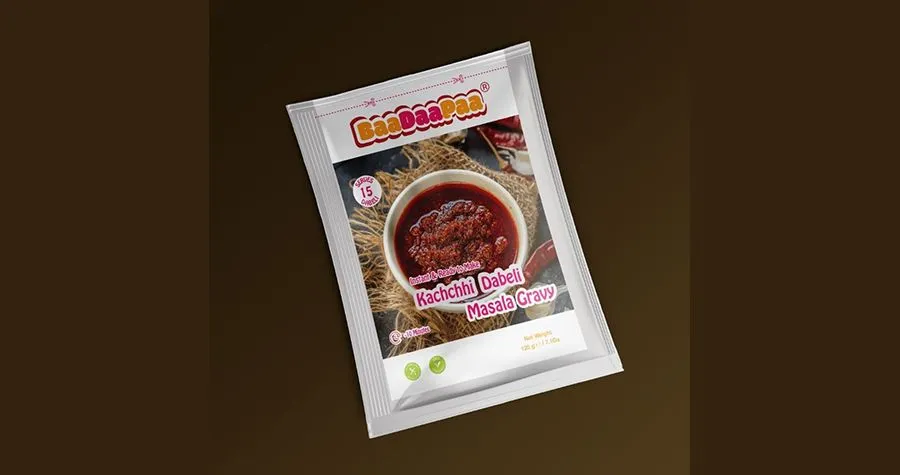
- Dabeli kits including masala, chutneys, and ingredients
- Designed for home users and commercial kitchens
Expanded Menu Categories
- Maharashtrian dishes
- Indian snack items
- Western and fusion food items
Health and Specialty Offerings
- Diet-focused and protein-based meals
- Salads and lighter food options
- Fasting-specific (farali) dishes
Beverages
- Complementary drinks supporting food sales
4. How the Franchise Model Works
The franchise model is structured around compact food outlets or cloud kitchen setups.
Role of the Franchise Partner
- Set up and operate the outlet or kitchen
- Manage food preparation, service, and delivery
- Handle staff and daily operations
Operational Structure
- Standardized recipes and product kits simplify food preparation
- Cloud kitchen model reduces reliance on large dine-in spaces
- Combination of offline and online sales channels
Franchisor–Franchisee Interaction
- The franchisor provides recipes, product supply, and operational guidance
- Franchise partners execute daily operations and customer service
This model supports scalability through standardized processes and multiple service formats.
5. Franchise Cost and Investment Overview
Estimated Investment
- INR 5,00,000 to INR 10,00,000
Franchise Fee
- INR 7,50,000
Royalty Fee
- 10% recurring royalty
Cost Components
- Kitchen setup and equipment
- Interior setup (if dine-in model)
- Initial raw materials or ready-to-cook kits
- Staff hiring and operational costs
The investment reflects a small to mid-scale QSR or cloud kitchen setup.
6. Space and Infrastructure Requirements
Space Requirement
- 100 to 500 sq. ft.
Location Preferences
- High-footfall urban areas
- Food delivery-focused locations
- Commercial or residential clusters
Infrastructure Needs
- Kitchen setup with cooking equipment
- Food preparation and storage areas
- Order processing and packaging setup
Staffing Requirements
- Kitchen staff for preparation
- Service or delivery coordination staff
7. Training and Franchise Support
Franchise partners receive operational and product-level support.
Training Support
- Food preparation techniques and recipe standardization
- Kitchen operations and hygiene practices
Setup Support
- Guidance on kitchen layout and equipment
- Assistance in launching operations
Ongoing Support
- Supply of ready-to-cook kits and ingredients
- Menu updates and product development
- Operational and business guidance
These systems help maintain consistency in food quality and service delivery.
8. Revenue Model and ROI Factors
Revenue Streams
- Sale of Dabeli and snack items
- Online food delivery orders
- Sale of ready-to-cook kits
Demand Drivers
- Popularity of Indian street food
- Growth in online food delivery
- Demand for convenient ready-to-cook products
Customer Retention
- Repeat purchases driven by snack consumption habits
- Menu variety supporting broader customer base
Payback Period
- Estimated between 2 to 4 months
Profitability Factors
- Location and delivery demand
- Operational efficiency and cost control
- Menu pricing and product mix
9. Brand History and Expansion
The business was established in 2014 and began franchising in 2019.
It operates a limited number of franchise outlets, currently between 1 and 10, indicating an early-stage expansion phase.
The expansion approach focuses on growing through small-format outlets and cloud kitchen operations.
10. Key Advantages of the Franchise
- Operates in the quick service restaurant and street food segment
- Combines dine-in, takeaway, and cloud kitchen models
- Multiple revenue streams including product sales
- Standardized preparation using ready-to-cook kits
- Low to moderate space requirement
- Demand driven by everyday snack consumption
Franchise Investment Snapshot
| Estimated Investment | INR 5,00,000 – INR 10,00,000 |
|---|---|
| Franchise Fee | INR 7,50,000 |
| Royalty Fee | 10% |
| Space Requirement | 100 – 500 sq. ft. |
| Payback Period | 2 – 4 months |
| Number of Outlets | 1 to 10 |