


Avishkaar Franchise
Franchise Quick Facts
| Brand Name | Avishkaar |
|---|---|
| Industry / Business Category | Vocational Training and STEM Education |
| Founded Year | 2010 |
| Franchise Started Year | 2016 |
| Total Franchise Outlets | 100–200 |
| Estimated Investment | INR 50,000 – 2 Lakh |
| Franchise Fee | Not specified |
| Royalty Fee | Not specified |
| Space Requirement | 100 – 200 sq. ft. |
| Staff Requirement | Small instructional team |
| Expected Payback Period | 1–2 Years |
1. What is Avishkaar?
Avishkaar is a vocational training franchise operating in the STEM education sector, offering hands-on learning programs in robotics, artificial intelligence, IoT, electronics, and coding through training centers and digital platforms.
The business serves school students and young learners by providing structured technical education combined with practical kits, live instruction, and project-based learning.
2. How the Business Works
The business operates as a hybrid education model combining physical learning centers with digital learning tools.
Students enroll in courses or programs offered through the center. Learning is delivered through a mix of hands-on kits, live online classes, and guided project work.
Typical operational workflow includes:
- Student enrollment and course selection
- Delivery of training sessions (online or assisted offline)
- Practical learning using kits and projects
- Participation in challenges, competitions, or community activities
Revenue is generated through course fees, kit sales, and program subscriptions.
3. Products or Services Offered
The franchise provides structured educational offerings in emerging technology areas.
Learning Programs
- Robotics and automation training
- Artificial intelligence and machine learning basics
- Internet of Things (IoT) and electronics
- Coding and programming courses
- App and game development
Learning Tools
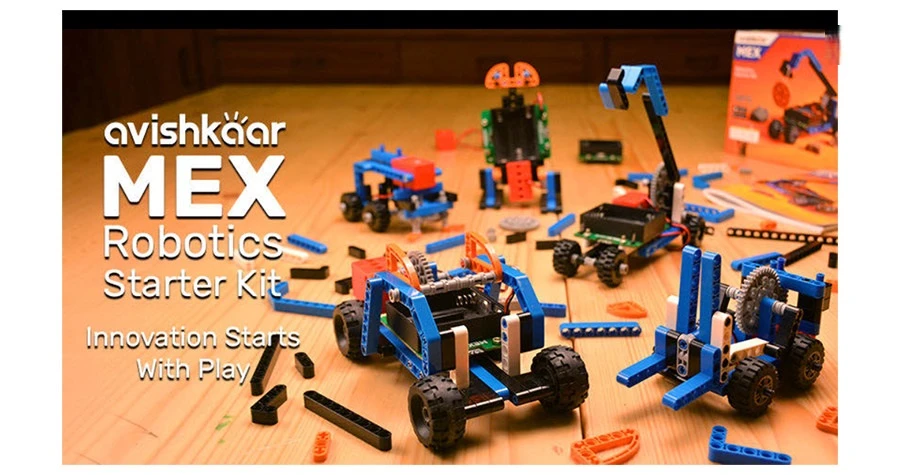
- Robotics and electronics kits for hands-on training
- Project-based assignments and guided modules
Engagement Platforms
- Online learning sessions
- Competitions and coding challenges
- Student community and collaboration forums
4. How the Franchise Model Works
The franchise model is structured around delivering training services and acquiring students locally.
Franchise Partner Role
- Set up and operate a training center
- Enroll students and manage local marketing
- Facilitate learning sessions and student engagement
- Coordinate course delivery and support
Franchisor Role
- Provide curriculum, learning kits, and digital platforms
- Deliver online instruction and course structure
- Offer training for center operations
- Support marketing and program execution
The model combines centralized content delivery with decentralized student acquisition and support.
5. Franchise Cost and Investment Overview
The investment requirement is positioned at a low to moderate level within the education sector.
Estimated Investment: INR 50,000 – 2 Lakh
Investment Components May Include
- Training center setup
- Learning kits and equipment
- Marketing and student acquisition
- Basic infrastructure and operational costs
Franchise fee and royalty details are not specified.
6. Space and Infrastructure Requirements
The business requires a compact training space.
Space Requirement: 100 – 200 sq. ft.
Infrastructure Needs
- Classroom or training area
- Basic seating and workstations
- Computers or devices for learning
- Storage for kits and materials
Location Preference
- Residential or educational areas
- Locations with access to schools and students
7. Training and Franchise Support
Support is focused on curriculum delivery and operational guidance.
Support Includes
- Access to structured curriculum and course modules
- Supply of learning kits and materials
- Training for instructors and franchise partners
- Ongoing academic and technical support
- Assistance with student engagement programs
These systems enable consistent delivery of educational programs.
8. Revenue Model and ROI Factors
Revenue is generated through education-based services and product sales.
Revenue Streams
- Student course fees
- Sales of robotics and learning kits
- Participation fees for competitions or programs
Demand Drivers
- Increasing interest in STEM education
- Parental focus on skill-based learning
- Growth in technology-oriented careers
ROI Considerations
- Student enrollment numbers
- Retention across multiple courses
- Local demand for extracurricular education
Estimated Payback Period: 1–2 years
Profitability depends on enrollment growth and operational efficiency.
9. Brand History and Expansion
The company was established in 2010 and introduced its franchise model in 2016.
It has expanded to a network of 100–200 outlets, indicating a broad presence in the STEM education segment. Growth has been driven by increasing demand for technology-focused learning among students.
10. Key Advantages of the Franchise
- Operates in a growing education and technology training sector
- Low investment compared to traditional education centers
- Scalable through student enrollment
- Multiple revenue streams from courses and kits
- Established presence with a large number of outlets
11. Who Should Consider This Franchise
This opportunity may suit:
- Entrepreneurs interested in the education sector
- Individuals with a background in teaching or technology
- Investors seeking a low-investment service business
- Operators looking to build a local training center for students
Similar Franchise Opportunities
- BYJU’S
- NIIT
- EduCADD
- Jetking
- Tinkerly
Accepting franchise applications in 35 states & UTs
What is the investment required for Avishkaar franchise?
The investment typically ranges from INR 50,000 to 2 lakh, covering setup, learning kits, and initial operations.
How does the Avishkaar franchise business work?
The franchise operates as a training center where students enroll in STEM courses. Learning is delivered through a mix of online instruction and hands-on activities using kits.
What space is required for the franchise?
A compact space of around 100 to 200 sq. ft. is sufficient for setting up a small training center.
How long does it take to recover the investment?
The expected payback period is approximately 1 to 2 years, depending on student enrollment and local demand.
How can investors apply for the franchise?
Interested individuals can apply by contacting the brand and submitting details about their location and investment capacity. ## Similar Franchise Opportunities
