

Art Kitchen Franchise
Brand Information Snapshot
| Brand Name | Art Kitchen |
|---|---|
| Industry Category | Food & Beverage |
| Business Segment | Ready-to-Serve Meal Distribution (Cloud Kitchen / Delivery Model) |
| Founded Year | 2023 |
| Franchise Started Year | 2025 |
| Headquarters | Not specified |
| Number of Franchise Outlets | 1–10 |
1. What is Art Kitchen?
Art Kitchen is a food business franchise operating in the ready-to-serve meal segment, offering pre-cooked regional cuisine through small-format outlets with minimal cooking requirements.
The brand focuses on delivering Telugu cuisine, including dishes from Andhra, Rayalaseema, and Telangana, targeting customers seeking traditional home-style meals via takeaway and delivery channels.
2. How the Business Works
The business operates on a centralized production and decentralized distribution model.
Customer journey:
- Customers place orders through walk-in, phone, or online delivery platforms
- Orders are processed at the outlet
- Pre-cooked meals supplied from a central kitchen are packed and delivered
Daily operations involve:
- Receiving pre-prepared food inventory from a central unit
- Packing and dispatching orders
- Managing order flow and customer service
- Handling basic inventory and stock rotation
Revenue is generated through direct sale of meals, with no on-site cooking required.
3. Products or Services Offered
Art Kitchen focuses on regional ready-to-eat meals.
Core Offerings
- Pre-cooked Telugu meals
- Regional dishes from Andhra, Rayalaseema, and Telangana
Menu Characteristics
- Traditional recipes and flavors
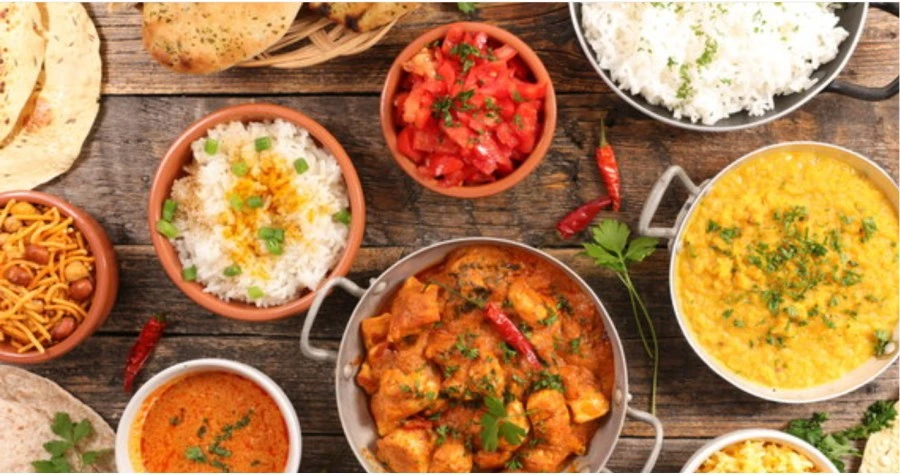
- Variety of curries, rice-based dishes, and meal combinations
Supporting Elements
- Proprietary spice blends used in preparation
- Standardized packaging for delivery and takeaway
The offering is positioned around convenience and consistency rather than on-site preparation.
4. How the Franchise Model Works
The franchise operates as a low-complexity food distribution outlet.
Role of the Franchise Partner
- Set up a small outlet or kitchen point
- Receive food supplies from the central kitchen
- Manage order packing and delivery coordination
- Handle customer interaction and local marketing
Operational Structure
- No requirement for chefs or in-house cooking
- Limited staff required for packing and service
- Dependence on centralized production for food supply
Franchisor Interaction
- Supply of ready-to-serve meals
- Provision of branded materials and operational guidelines
- Support for marketing and business setup
The model is designed to reduce operational complexity and staffing requirements.
5. Franchise Cost and Investment Overview
The investment requirement is positioned at the lower end of the food business spectrum.
Estimated Investment Range
- INR 10,000 to INR 50,000
Franchise Fee
- Not applicable
Royalty
- Not specified
Cost Components
- Basic outlet setup
- Packaging and storage equipment
- Initial inventory procurement
- Branding and marketing materials
The absence of franchise fees reduces initial financial entry barriers.
6. Space and Infrastructure Requirements
The model is designed for compact spaces.
Space Requirement
- 100 to 150 sq. ft.
Preferred Locations
- Residential areas with delivery demand
- High-density urban neighborhoods
- Areas with strong food delivery usage
Infrastructure Needs
- Storage space for food inventory
- Basic packing and dispatch counter
- Minimal kitchen setup (no cooking equipment required)
Staffing
- 1–2 staff members sufficient for operations
7. Training and Franchise Support
Support focuses on operational simplicity and execution.
Operational Training
- Handling and storage of pre-cooked meals
- Order processing and packaging
Business Support
- Guidance on outlet setup
- Standard operating procedures for daily operations
Marketing Support
- Branding and promotional assistance
- Support for digital and local marketing initiatives
The system is designed for ease of onboarding with minimal technical training.
8. Revenue Model and ROI Factors
Revenue is driven by food sales with low operational overhead.
Revenue Streams
- Direct meal sales via takeaway and delivery
- Repeat orders from regular customers
Key Revenue Drivers
- Demand for regional cuisine
- Convenience of ready-to-serve meals
- Online food delivery platform integration
ROI Considerations
Estimated Payback Period: 1–2 years
- Low staffing and infrastructure costs
- Consistent supply and pricing structure
- Customer retention and order frequency
Profitability depends on order volume and local demand.
9. Brand History and Expansion
- Established in 2023
- Entered franchising in 2025
- Operates with a centralized kitchen and distributed outlet model
- Current network includes 1–10 outlets
The brand is in an early-stage expansion phase focusing on scalable, low-cost entry formats.
10. Key Advantages of the Franchise
- Low initial investment compared to traditional food businesses
- No requirement for chefs or cooking infrastructure
- Compact space requirement enables flexible location selection
- Centralized production ensures consistency in product quality
- Simplified operations reduce management complexity
- Suitable for delivery-first business models
Franchise Investment Snapshot
| Estimated Investment | INR 10,000 – 50,000 |
|---|---|
| Franchise Fee | Not applicable |
| Royalty Fee | Not specified |
| Space Requirement | 100 – 150 sq. ft. |
| Payback Period | 1 – 2 years |
| Number of Outlets | 1–10 |
Accepting franchise applications in 35 states & UTs