
Anda Ka Maharaja Franchise
Brand Snapshot
| Brand Name | Anda Ka Maharaja |
|---|---|
| Industry / Category | Quick Service Restaurants / Egg-Based Food Concept |
| Business Type | QSR (Quick Service Restaurant) |
| Founded Year | 2019 |
| Franchise Started | 2025 |
| Headquarters | India |
| Total Franchise Outlets | 1 to 10 |
1. What is Anda Ka Maharaja?
Anda Ka Maharaja is a quick service restaurant brand focused on egg-based meals and fast-casual dining.
It operates in the QSR segment, offering a menu built around eggs as the primary ingredient, with a mix of traditional and modern recipes. The brand targets urban consumers, including students, working professionals, and quick-meal customers looking for affordable, protein-rich food options.
The franchise represents a niche food concept centered on high-frequency, egg-based menu items.
2. How the Business Works
The business follows a quick service restaurant model.
Customers place orders at the counter or through takeaway channels, and food is prepared quickly using standardized recipes. The menu is designed for fast preparation and high turnover.
Revenue is generated through direct food sales, including individual dishes, combos, and repeat purchases. Demand is driven by affordability, convenience, and the everyday consumption potential of egg-based meals.
Franchise outlets operate as compact QSR units focused on speed, consistency, and volume.
3. Products or Services Offered
The menu is structured around egg-based dishes across different formats.
Main Egg-Based Dishes
- Egg curries and gravies
- Egg-based biryani preparations
- Egg keema-style dishes
Quick Service Items
- Egg wraps and rolls
- Egg sandwiches and parathas
Breakfast and Snack Options
- Omelets with multiple variations
- Boiled and scrambled egg dishes
Specialty Items
- International-style egg dishes such as shakshuka
- Grilled and marinated egg preparations
Light and Health-Oriented Options
- Egg salads and protein-focused meals
The product range supports both quick consumption and meal-based dining.
4. How the Franchise Model Works
The franchise model is structured around operating a QSR outlet.
Role of the Franchise Partner
- Set up and manage the restaurant unit
- Oversee food preparation, staff, and customer service
- Manage day-to-day operations
Outlet Operations
- Counter-based ordering with quick food delivery
- Limited seating or takeaway-focused format
Responsibilities
- Maintaining food quality and hygiene
- Managing inventory and raw materials
- Handling local marketing and customer engagement
Brand Support
- Menu standardization and preparation guidelines
- Setup assistance and operational processes
- Training for kitchen and service workflows
5. Franchise Investment and Cost
The investment requirement is aligned with small to mid-scale QSR formats.
Estimated Investment
- INR 10 lakh to INR 20 lakh
Key Cost Components
- Kitchen setup and cooking equipment
- Interior setup and branding
- Initial inventory and raw materials
- Working capital for operations
Royalty
- 5%
The cost structure reflects a moderate investment level for a specialized food concept.
6. Space and Setup Requirements
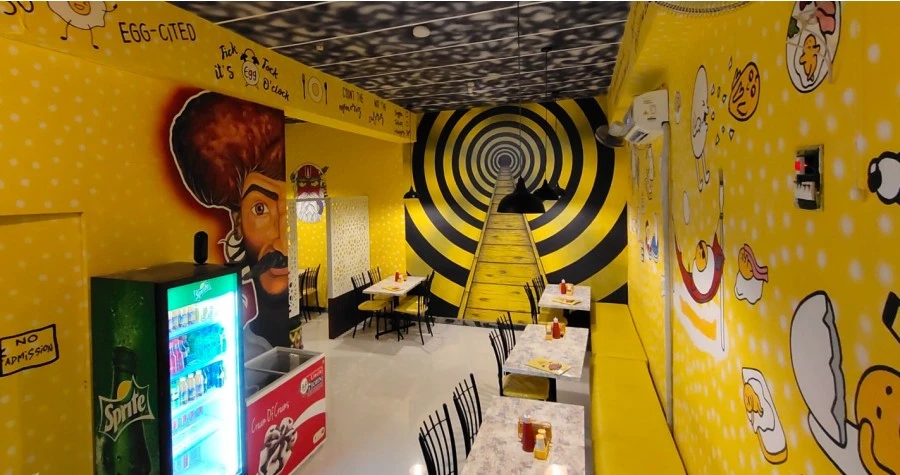
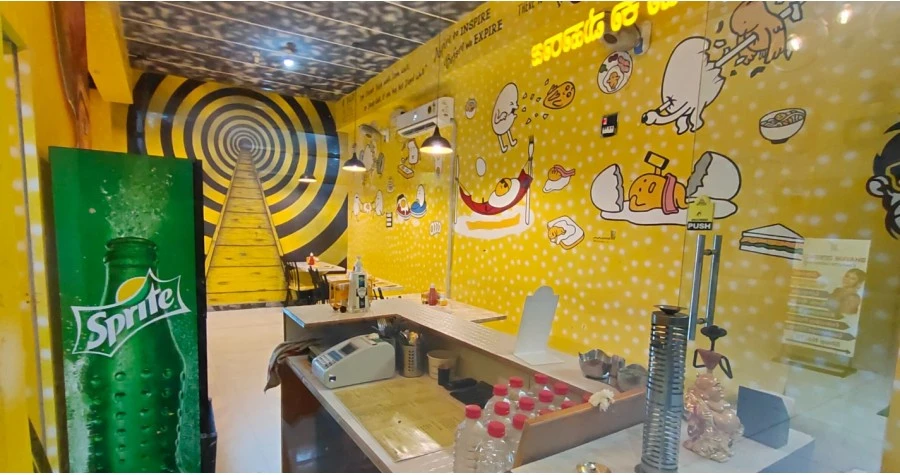
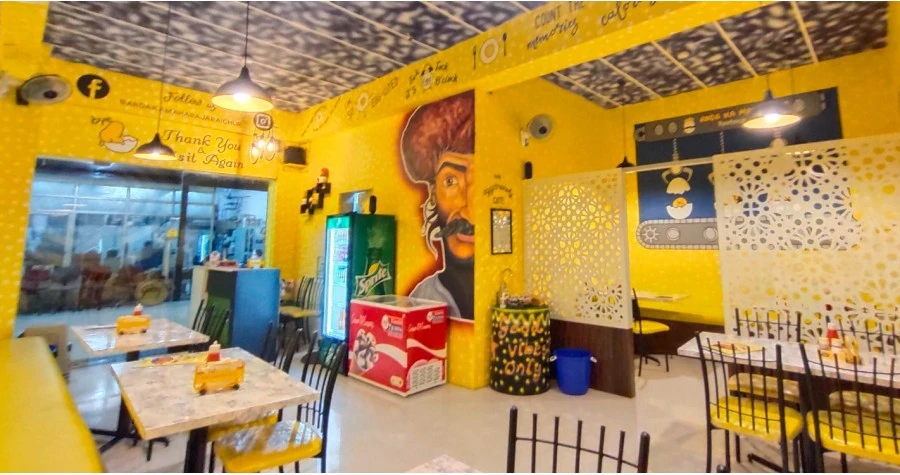
The outlet operates in a compact quick-service format.
Space Requirement
- 600 to 700 sq. ft.
Location Type
- High footfall areas such as food streets, commercial zones, or near offices and colleges
Infrastructure Needs
- Kitchen and food preparation area
- Service counter and basic seating (optional)
- Storage for ingredients
Staffing
- Small kitchen team
- Service and billing staff
7. Training and Franchise Support
Support is focused on maintaining operational efficiency and product consistency.
Training
- Food preparation techniques for menu items
- Kitchen workflow and hygiene practices
- Customer service and order handling
Support Areas
- Store setup and layout guidance
- Menu and recipe standardization
- Operational and process support
These systems enable franchisees to manage consistent QSR operations.
8. Revenue Model and ROI Factors
Revenue is generated through direct food sales.
Key Revenue Drivers
- High demand for affordable, quick meals
- Frequent consumption of egg-based dishes
- Repeat customers from nearby catchment areas
Profitability Factors
- Location and daily footfall
- Speed of service and order volume
- Cost control in raw materials
Payback Period
- Estimated between 1 to 2 years
The model benefits from high turnover and repeat purchase behavior.
9. Brand History and Expansion
The brand has been developed as a niche QSR concept.
- Established in 2019
- Entered franchising in 2025
- Current network includes 1 to 10 outlets
Expansion is in early stages with a focus on scaling through franchise outlets in urban markets.
10. Advantages of the Franchise
- Operates in a high-demand quick service food segment
- Focus on a niche, single-core ingredient category (eggs)
- Moderate investment compared to full-service restaurants
- High repeat purchase potential due to daily consumption
- Compact format suitable for urban locations
- Scalable through multiple outlets
- Standardized menu simplifies operations