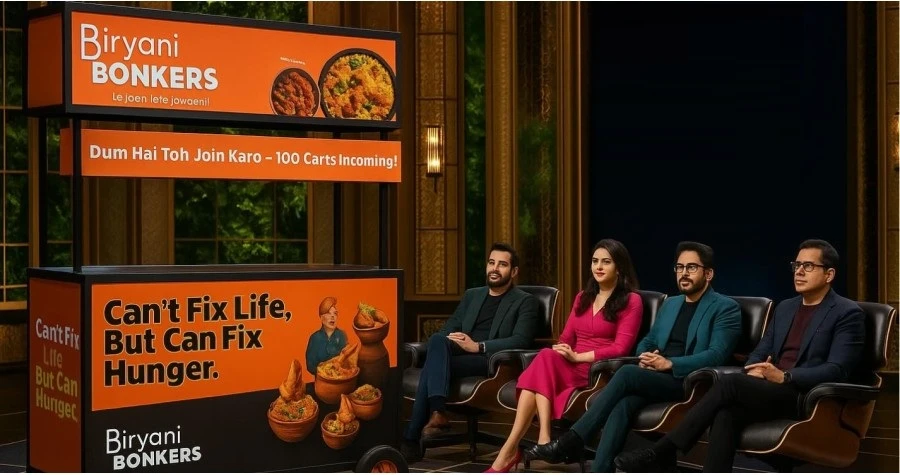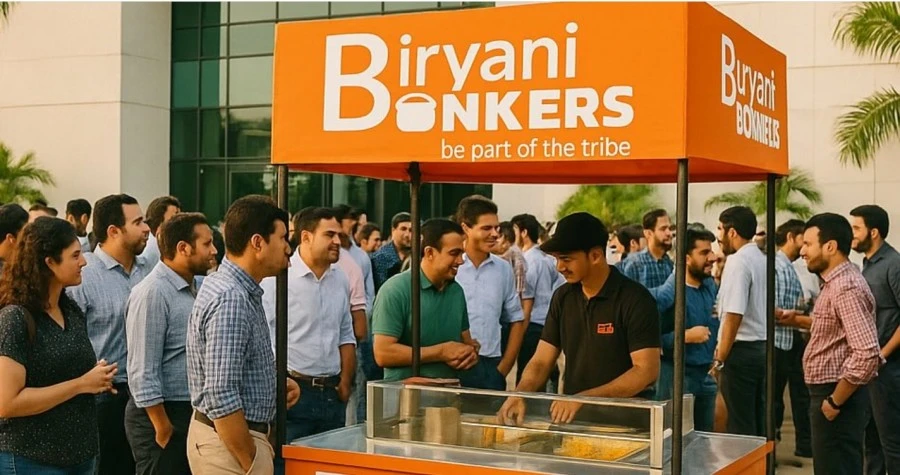

Biryani Bonkers Franchise
Franchise Quick Facts
| Brand Name | Biryani Bonkers |
|---|---|
| Industry / Category | Food & Beverage (Cloud Kitchen / Quick Service Restaurant) |
| Founded Year | 2025 |
| Franchise Started | 2025 |
| Total Franchise Outlets | 1–10 |
| Estimated Investment | INR 50,000 – 2,00,000 |
| Franchise Fee | Not specified |
| Royalty Fee | Not specified |
| Space Requirement | 50 – 100 sq. ft. |
| Staff Requirement | Small team (kitchen + delivery handling) |
| Expected Payback Period | 1 – 2 years |
1. What is Biryani Bonkers?
Biryani Bonkers is a food service brand operating in the quick-service and cloud kitchen segment, focused on preparing and delivering multiple varieties of biryani and related meal combinations. The business caters to urban consumers seeking convenient, consistent, and ready-to-eat meals across dine-in, takeaway, and delivery channels.
The franchise opportunity allows partners to operate compact kitchen units specializing in biryani-based menus designed for high-demand, repeat consumption.
2. How the Business Works
The business follows a kitchen-first, delivery-oriented model.
Customers typically place orders through digital platforms such as mobile apps or websites. Orders are processed at the nearest operational kitchen, where standardized recipes and cooking methods are used to prepare meals. The food is then packaged and dispatched for delivery or pickup.
Core operations include:
- Ingredient preparation and portion control
- Batch cooking using standardized methods
- Order processing and packaging
- Delivery coordination or aggregator integration
Revenue is generated through individual meal orders, combo offerings, and bulk catering requests.
3. Products or Services Offered
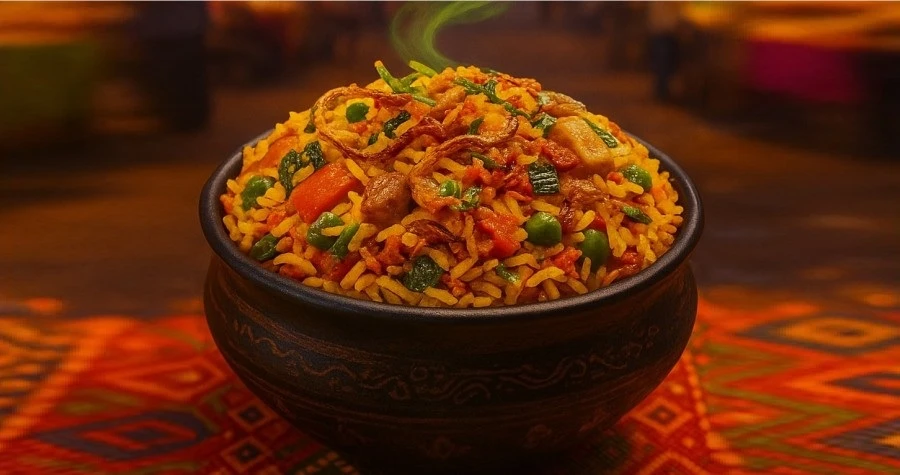
The menu is structured around biryani as the primary product category, supported by complementary meal options.
Core Offerings:
- Chicken biryani variants
- Mutton biryani variants
- Fish and prawn biryani
- Egg and vegetarian biryani
Extended Menu:
- Fusion-style biryanis (modern flavor variations)
- Combo meals and thalis
- Add-ons such as sides and beverages
Additional Services:
- Bulk and catering orders for events
- Seasonal or limited-time menu items
This structured menu allows for both standardization and periodic menu variation.
4. How the Franchise Model Works
The franchise model is designed for small-format food operations with centralized brand control.
Role of the Franchise Partner:
- Set up and operate the kitchen unit
- Manage daily food preparation and order fulfillment
- Handle local staff and basic inventory
- Maintain hygiene and operational standards
Role of the Franchisor:
- Provide recipes and preparation guidelines
- Assist in initial setup and operational processes
- Offer branding and menu frameworks
- Support with training and quality control systems
The outlet functions as a production and fulfillment center rather than a full dine-in restaurant, making it suitable for delivery-focused markets.
5. Franchise Cost and Investment Overview
The investment required falls within an entry-level range for food businesses.
Key Cost Components:
- Kitchen setup and basic equipment
- Initial raw material procurement
- Packaging materials
- Licensing and registrations
- Branding and signage
Investment Range:
- INR 50,000 to INR 2,00,000
Recurring costs may include raw materials, staff wages, delivery commissions, and operational expenses. Specific franchise or royalty fees are not detailed but may apply depending on agreement terms.
6. Space and Infrastructure Requirements
The business is structured for compact operations.
Space Requirements:
- 50 to 100 sq. ft.
Location Type:
- Residential clusters
- Commercial zones
- High-density delivery areas
Infrastructure Needs:
- Basic kitchen equipment (stoves, storage, utensils)
- Food preparation and packing area
- Ventilation and hygiene setup
Staffing:
- 1–3 kitchen staff depending on order volume
The small footprint allows low rental exposure and easier scalability.
7. Training and Franchise Support
Franchise partners receive operational guidance to standardize output.
Support Areas:
- Recipe training and cooking processes
- Kitchen workflow setup
- Hygiene and food safety practices
- Packaging and delivery handling
- Menu planning and updates
Ongoing support typically focuses on maintaining consistency, adapting to demand patterns, and improving operational efficiency.
8. Revenue Model and ROI Factors
Revenue is driven by frequent, mid-value food orders.
Key Revenue Drivers:
- High demand for ready-to-eat meals
- Repeat customer orders
- Online food delivery platforms
- Combo and bulk order sales
Cost Considerations:
- Raw material costs
- Delivery commissions
- Staff and utilities
- Packaging
ROI Insight:
- Estimated payback period ranges from 1 to 2 years
Profitability depends on order volume, location demand, and operational efficiency rather than high individual order margins.
9. Brand History and Expansion
The brand was established in 2025 with a focus on structured biryani-focused food delivery operations. Franchising also began in the same year, indicating an early-stage expansion model.
Current presence includes a limited number of outlets (1–10), with plans to expand through franchise partnerships in urban and semi-urban markets.
10. Key Advantages of the Franchise
- Entry-level investment compared to traditional restaurants
- Small space requirement reduces operational overhead
- Product category with consistent consumer demand
- Delivery-first model aligned with current food consumption trends
- Menu allows repeat purchases and customer retention
- Scalable format suitable for multiple units
11. Investor Questions
What is the investment required for Biryani Bonkers franchise?
The estimated investment ranges between INR 50,000 and INR 2,00,000, covering kitchen setup, equipment, and initial operations.
How does the Biryani Bonkers franchise business work?
The business operates as a compact kitchen that prepares biryani and related meals for delivery or takeaway, with orders primarily generated through digital platforms.
What space is required for this franchise?
A small space between 50 and 100 sq. ft. is sufficient to set up and operate the kitchen.
How long does it take to recover the investment?
The expected payback period is approximately 1 to 2 years, depending on order volume and cost control.
How can investors apply for the franchise?
Interested individuals can apply by contacting the brand directly through its official communication channels or franchise enquiry platforms.