



Mts Retails Franchise
Brand & Franchise Snapshot
| Brand Name | MTS Retails |
|---|---|
| Industry / Business Category | Food & Beverage Retail / Packaged Food Distribution |
| Founded Year | 2015 |
| Franchise Started Year | Not specified; retail distribution model available |
| Total Franchise Outlets | 1–10 |
| Estimated Investment | INR 10,000 – 50,000 |
| Franchise Fee | Typically includes brand association, supply chain access, and operational support |
| Royalty Fee | Not specified; revenue generally driven by retail margins on product sales |
| Space Requirement | 500–1000 Sq.ft |
| Staff Requirement | Small retail team for sales, inventory handling, and customer service |
| Expected Payback Period | 6–12 months depending on sales volume |
1. What is MTS Retails?
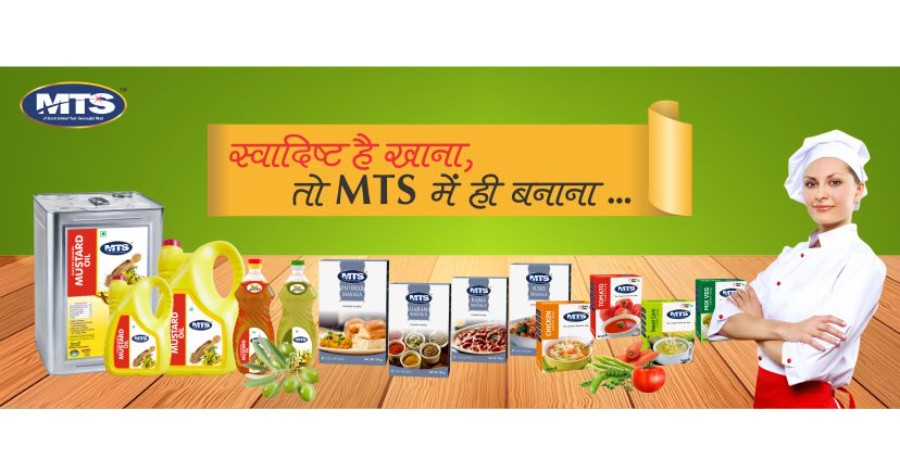
MTS Retails is a packaged food retail and distribution business offering a wide range of grocery and food products such as edible oils, spices, tea, rice, atta, sugar, papad, and instant mixes. It operates within the FMCG and food retail franchise category, serving households, retailers, and consumers seeking everyday food essentials.
2. Operating Concept
The business functions as a retail and distribution outlet supplying packaged food products to end consumers and local retailers. Customers purchase daily-use grocery items directly from the store or in bulk. The operational workflow includes inventory stocking, product display, order handling, and sales transactions. Revenue is generated through product sales and retail margins across multiple food categories.
3. Products or Service Categories
| Edible Oils | Cooking oils for daily household consumption |
|---|---|
| Spices | Whole and blended spices used in Indian cooking |
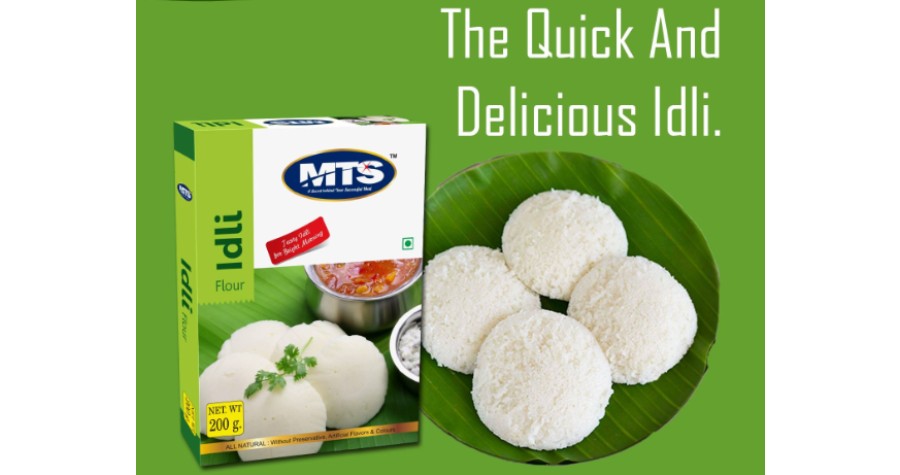
| Instant Mixes | Ready-to-use mixes for traditional snacks and meals |
| Tea Products | Black tea and specialty tea blends |
| Papad | Traditional snack accompaniments |
| Rice Varieties | Basmati and non-basmati rice options |
| Staples | Sugar and atta (flour) for daily cooking needs |
4. Franchise Partnership Structure
| Role of Franchise Partner | Operate retail outlet, manage inventory, and handle customer sales |
|---|---|
| Operational Responsibilities | Product stocking, retail sales, local distribution, and customer engagement |
| Franchisor-Franchisee Interaction | Supply chain access, product sourcing, and operational guidance |
| Business Model | Retail margin-based system where franchisees earn through sales of packaged goods |
5. Investment and Startup Costs
| Estimated Investment | INR 10,000 – 50,000 for initial inventory and setup |
|---|---|
| Franchise Fee | Covers brand association and supply chain integration |
| Setup Costs | Shop setup, shelving, storage, and basic retail infrastructure |
| Royalty Payments | Not structured as fixed royalties; income is generated through product resale margins |
6. Outlet Setup Requirements
| Space Requirement | 500–1000 Sq.ft for retail display and storage |
|---|---|
| Preferred Locations | Residential areas, local markets, or high-footfall retail zones |
| Equipment Needs | Shelving units, storage racks, weighing tools, billing system |
| Staffing Considerations | Small team for customer service, billing, and inventory management |
7. Franchise Support Systems
- Product sourcing and supply chain support
- Guidance on inventory planning and product mix
- Operational assistance for retail setup and management
- Support for maintaining product quality and storage standards
- Ongoing coordination for replenishment and logistics
8. Revenue Model and Profit Drivers
| Revenue Sources | Retail sales of packaged food products and bulk supply to local buyers |
|---|---|
| Pricing Model | Margin-based pricing depending on product category and demand |
| Demand Drivers | Daily consumption of essential food products across households |
| Repeat Customer Potential | High due to recurring purchase behavior for grocery items |
| Operational Cost Factors | Inventory procurement, rent, staffing, and logistics |
| Expected Payback Period | 6–12 months depending on store performance and location |
9. Brand Background and Expansion
| Founded | 2015 |
|---|---|
| Franchise Model | Retail distribution expansion with a limited network |
| Network Size | 1–10 outlets |
| Geographic Presence | India-focused with regional retail distribution |
| Expansion Goals | Expand retail footprint, strengthen supply chain, and increase product reach |
10. What Makes This Franchise Different
MTS Retails focuses on a vertically integrated product range covering multiple essential grocery categories under a single brand. Unlike typical retail stores that source from multiple vendors, this model emphasizes centralized sourcing and consistent product quality, simplifying procurement and enabling standardized pricing and supply control.
Advantages of the Franchise
- Consistent demand for essential food and grocery products
- Low-investment retail model with straightforward operations
- High repeat purchase frequency from daily-use items
- Supply chain support ensuring consistent product availability
- Opportunity to scale through local retail and distribution expansion
11. Who Should Consider This Franchise
- First-time entrepreneurs entering retail or FMCG business
- Small investors seeking low-cost, high-frequency sales models
- Individuals with access to local residential or retail markets
- Operators interested in grocery distribution and packaged food retail
13. Similar Franchise Opportunities
- Patanjali Retail Store
- Reliance Smart Point
- More Retail Franchise
- Big Bazaar Partner Stores
- Spencer’s Retail
These brands operate in the FMCG and grocery retail segment, offering comparable opportunities in packaged food and daily essentials distribution.


What investment is required for MTS Retails franchise?
The investment typically ranges from INR 10,000 to 50,000, covering initial stock purchase, basic shop setup, and operational expenses. This low entry cost makes it accessible for small-scale entrepreneurs entering the food retail segment.
How does the MTS Retails franchise operate?
Franchisees manage a retail outlet, stock packaged food products, and sell directly to customers or local retailers. Revenue is generated through product sales margins, with operations centered around inventory management and consistent supply.
What space is required to start the franchise?
A retail space of 500–1000 Sq.ft is suitable for product display and storage, ideally located in residential or high-footfall areas.
How long does it take to recover the investment?
The expected payback period is around 6–12 months, depending on location performance, customer demand, and inventory turnover.
How can investors apply for the franchise?
Interested individuals can connect with the company to initiate onboarding, understand product sourcing, and set up operations before launching the retail outlet. ## 13. Similar Franchise Opportunities
