


Atc Aman Franchise
Brand Information Snapshot
| Brand Name | ATC Aman |
|---|---|
| Industry Category | Food & Beverage |
| Business Segment | Spices and Tea Products Retail & Distribution |
| Founded Year | 1994 |
| Franchise Started Year | 2003 |
| Headquarters | Not specified |
| Number of Franchise Outlets | 1 to 10 |
1. What is ATC Aman?
ATC Aman is a franchise-based business operating in the food and beverage sector, offering spices and tea products through independently operated retail or distribution outlets.
The brand focuses on packaged food products used in daily consumption, particularly spice blends and tea varieties. It serves household consumers and retail buyers seeking ready-to-use culinary ingredients and beverages.
2. How the Business Works
The business operates as a product-based retail and distribution model.
Customers purchase packaged spices and tea products directly from franchise outlets. The outlet maintains inventory supplied through a centralized system and sells products to end consumers.
Operational Workflow
- Procurement of products from the brand supply chain
- Display and storage of packaged goods
- Walk-in customer sales and order fulfillment
- Inventory monitoring and replenishment
- Local marketing and customer engagement
Revenue is generated through retail sales margins on packaged products.
3. Products or Services Offered
Franchise outlets focus on selling packaged food products.
Core Product Categories
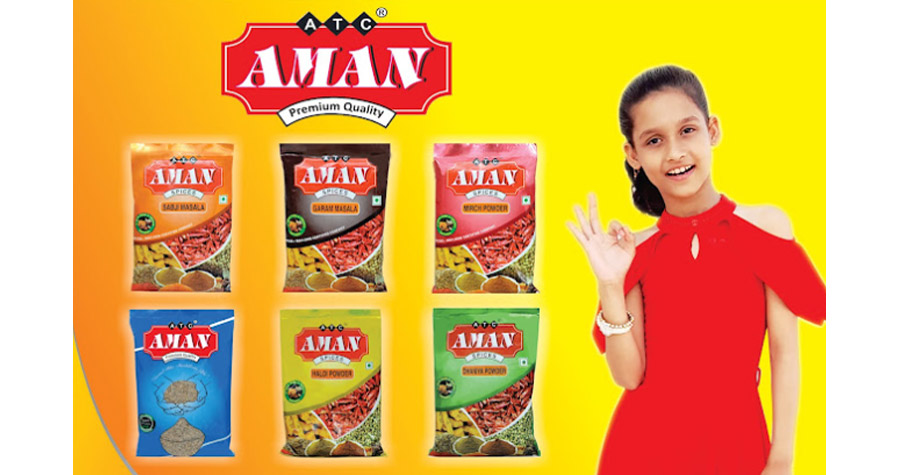
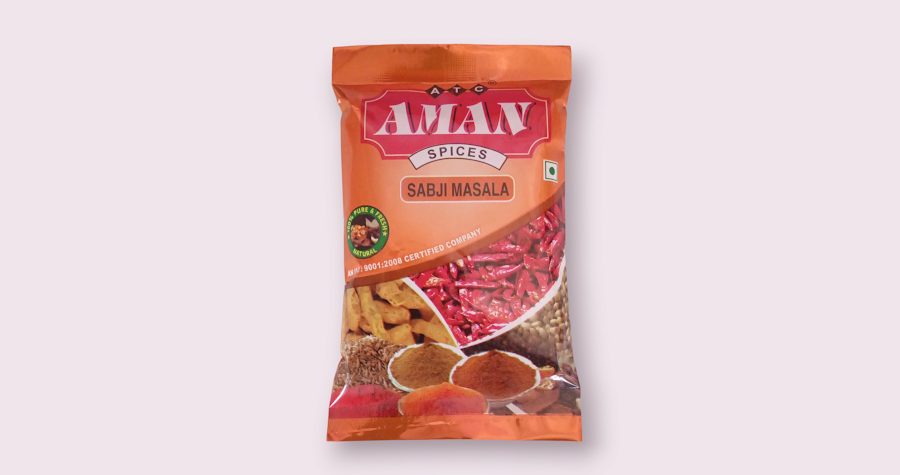
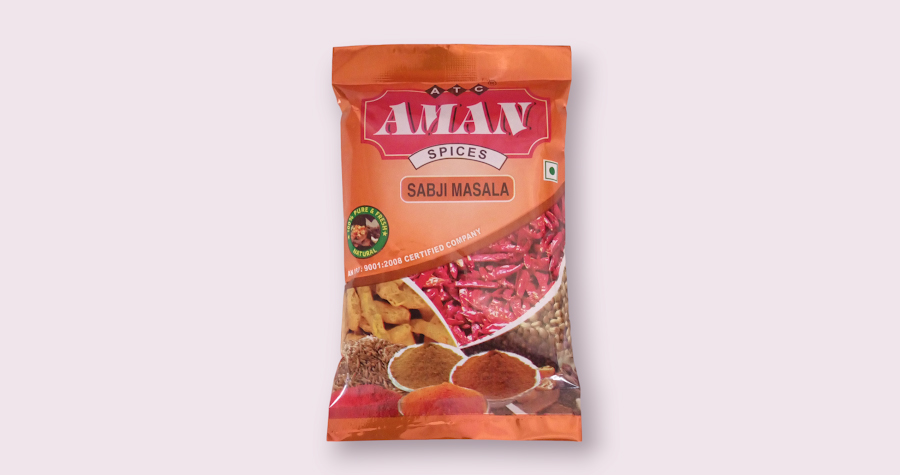
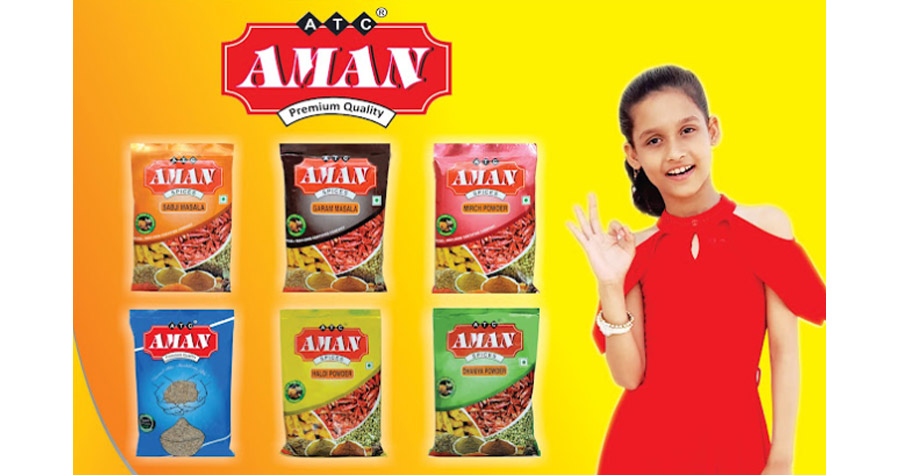
- Spices (various blends and cooking ingredients)
- Tea (packaged varieties for daily consumption)
Product Characteristics
- Ready-to-use food ingredients
- Packaged for household and retail use
- Sold in multiple variants and quantities
Customer Segments
- Household consumers
- Local retailers or small distributors
- Bulk buyers (in some locations)
4. How the Franchise Model Works
The franchise model allows partners to operate a branded retail outlet for spices and tea products.
Role of the Franchise Partner
- Set up and manage the retail outlet
- Maintain product inventory and stock levels
- Handle customer sales and service
- Conduct local marketing and promotions
- Manage daily operations and cash flow
Franchisor Support Structure
- Product supply and inventory support
- Store setup guidance including layout and branding
- Training for product handling and sales
- Marketing and promotional assistance
The model is structured as a retail-driven business supported by centralized product sourcing.
5. Franchise Cost and Investment Overview
The investment requirement is positioned in the low to moderate range for retail businesses.
| Estimated Investment | INR 50,000 – 2 Lakh |
|---|---|
| Franchise Fee | INR 10,000 |
| Royalty Fee | 12% |
Cost Components
- Store setup and interiors
- Initial inventory purchase
- Branding and signage
- Basic equipment and storage
- Working capital
This investment level supports a small-format retail outlet.
6. Space and Infrastructure Requirements
The business requires a moderate retail space.
Space Requirement: 450 – 1000 sq. ft.
Infrastructure Needs
- Retail display area
- Storage for packaged goods
- Billing counter and basic POS setup
- Shelving and product racks
Staffing Requirements
- Owner-operator or store manager
- Sales staff depending on scale
Locations with residential footfall or local market access are typically suitable.
7. Training and Franchise Support
Franchise partners receive structured operational and marketing support.
Support Includes
- Training for product knowledge and sales processes
- Store setup and branding assistance
- Marketing strategies and promotional materials
- Supply chain support for product availability
- Ongoing operational guidance
This support helps ensure consistency in product availability and customer experience.
8. Revenue Model and ROI Factors
Revenue is generated through retail sales of packaged food products.
Revenue Streams
- Direct sales of spices and tea
- Repeat purchases from regular customers
- Potential bulk or local distribution sales
Business Dynamics
- Daily consumption products with recurring demand
- Repeat purchase behavior driven by household usage
- Margins depend on product pricing and volume
Estimated Payback Period: Less than 1 year
Profitability is influenced by location, sales volume, and inventory turnover.
9. Brand History and Expansion
The company was established in 1994 and began offering franchise opportunities in 2003.
It has developed a presence in multiple regions including Delhi, Haryana, Goa, Pune, and Mumbai. The current franchise network ranges between 1 and 10 outlets, with ongoing expansion into new markets.
The growth strategy focuses on expanding retail presence in regions with demand for packaged spices and tea.
10. Key Advantages of the Franchise
- Operates in the packaged food segment with consistent demand
- Low to moderate investment requirement
- Repeat purchase potential due to daily-use products
- Centralized product supply system
- Established presence in multiple regional markets
- Structured support for setup and operations
Franchise Investment Snapshot
| Estimated Investment | INR 50,000 – 2 Lakh |
|---|---|
| Franchise Fee | INR 10,000 |
| Royalty Fee | 12% |
| Space Requirement | 450 – 1000 sq. ft. |
| Payback Period | Less than 1 Year |
| Number of Outlets | 1 to 10 |
Accepting franchise applications in 35 states & UTs