



Mittea Franchise
1. Brand & Franchise Snapshot
| Key Detail | Information |
|---|---|
| Brand Name | Mittea |
| Industry | Food & Beverage |
| Business Category | Tea and Coffee |
| Founded Year | 2021 |
| Franchise Started | 2022 |
| Total Franchise Outlets | 1–10 |
| Estimated Investment | INR 10–20 Lakhs |
| Franchise Fee | INR 3 Lakhs |
| Royalty Fee | 2% of revenue |
| Space Requirement | 350–500 sq. ft. |
| Staff Requirement | Typically small team for service and preparation |
| Expected Payback Period | 1–8 years |
Understanding the Brand
Mittea operates in the quick-service beverage segment, focusing on tea-based products supported by light snack offerings. The concept is positioned within the affordable café category, where customers can consume beverages on-site or take them away.
The brand builds its offering around traditional tea consumption habits, particularly serving tea in earthen cups (kulhad), combined with a casual social environment. It primarily targets urban consumers seeking low-cost refreshments and informal meeting spaces.
2. Operating Concept
A Mittea outlet functions as a compact tea café with a fast-moving service model. Customers typically walk in, select from a menu of tea variants and snacks, place orders at the counter, and receive their items within a short preparation time.
Daily operations involve:
- Preparing tea in batches or per order using standardized recipes
- Serving beverages in kulhads or disposable cups
- Managing quick snack preparation or reheating
- Handling peak-hour footfall efficiently
Revenue is generated through high-frequency, low-ticket transactions, making location and foot traffic critical to performance.
3. Products or Service Categories
The menu is structured around beverages and complementary snack items:
Tea Variants
- Traditional milk tea
- Flavored chai options
- Regional or spiced tea variations
Quick Snacks
- Savory packaged or freshly prepared snacks
- Light accompaniments designed for tea consumption
Beverage Add-ons
- Seasonal or specialty drinks depending on outlet strategy
The product mix supports repeat visits and quick consumption patterns.
4. Franchise Partnership Structure
The franchise model follows a standard operator-driven format:
- The franchise partner owns and manages the outlet
- Day-to-day responsibilities include staffing, service quality, and local operations
- The brand provides guidelines on menu, pricing, and store design
- Outlets operate under a unified brand identity and standardized processes
The franchisor–franchisee relationship is structured around operational consistency and brand uniformity across locations.
5. Investment and Startup Costs
Launching a Mittea outlet requires moderate capital investment compared to larger café formats.
Key cost components include:
- Initial franchise fee for brand usage rights
- Interior setup and outlet design
- Equipment for tea preparation and service
- Initial inventory and working capital
- Ongoing royalty calculated as a percentage of revenue
The investment range reflects variation in location, size, and setup customization.
6. Outlet Setup Requirements
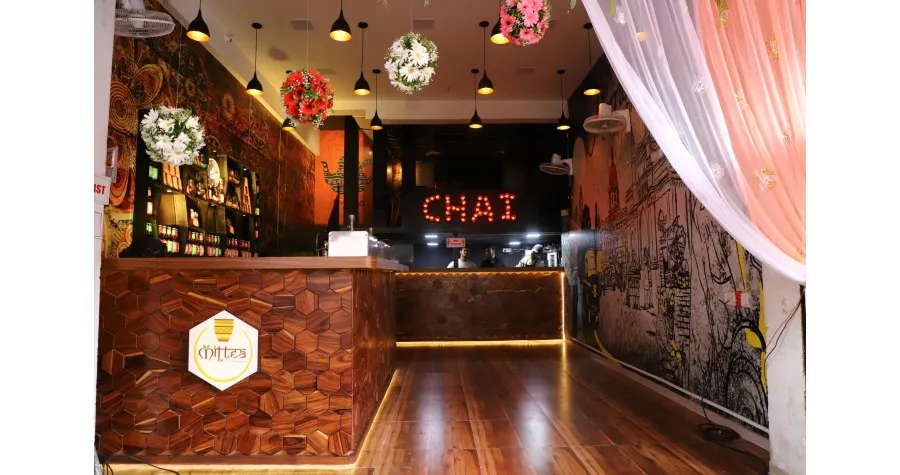
A typical Mittea outlet is designed for compact, high-efficiency service.
Space & Location
- 350–500 sq. ft. area
- Suitable for high-footfall areas such as markets, streets, or near offices and colleges
Infrastructure
- Tea preparation counters
- Storage for ingredients and disposables
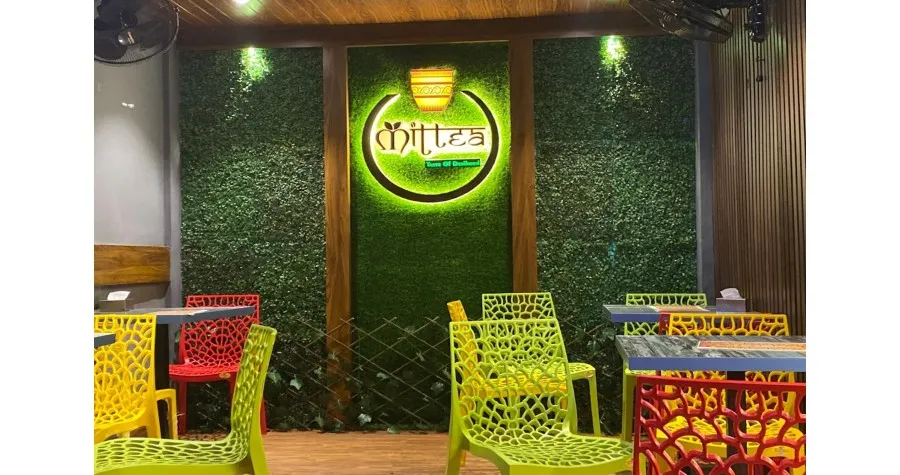
- Basic seating or standing arrangement
Staffing
- Small team handling preparation, billing, and service
The format is adaptable to both kiosk-style and small café setups.
7. Franchise Support Systems
Franchise partners typically receive structured operational support, which may include:
- Initial training on beverage preparation and service processes
- Guidance on outlet setup and layout planning
- Assistance during launch phase
- Standardized recipes and sourcing guidelines
- Ongoing operational support to maintain consistency
Such systems aim to simplify entry for operators without prior food service experience.
8. Revenue Model and Profit Drivers
Revenue is primarily driven by volume-based sales of tea and snacks.
Key drivers include
- High daily consumption frequency of tea
- Affordable pricing encouraging repeat purchases
- Strong demand during peak hours (morning, evening)
- Add-on sales through snacks
Operational costs are relatively controlled due to limited menu complexity and smaller space requirements.
The expected payback period depends on location performance, cost management, and customer retention.
9. Brand Background and Expansion
The brand was established in 2021 and entered franchising in 2022. It currently operates a small but growing network of outlets.
Expansion appears focused on scaling within urban and semi-urban markets, leveraging the widespread consumption of tea and the standardized outlet model.
10. What Makes This Franchise Different
Mittea’s differentiation lies in its focus on traditional tea consumption combined with a standardized retail format. Instead of positioning as a premium café, the model emphasizes affordability, speed, and cultural familiarity.
The use of kulhad serving and a tea-first menu structure distinguishes it from broader café chains that rely heavily on coffee or diversified menus.
Advantages of the Franchise
- Consistent demand for tea across demographics
- Scalable small-format outlet model
- Repeat customer potential due to daily consumption habits
- Lower operational complexity compared to full-service cafés
- Opportunity to expand across multiple locations
11. Who Should Consider This Franchise
This franchise may suit:
- First-time entrepreneurs entering the food and beverage sector
- Small investors seeking a moderate investment business
- Operators interested in high-volume, quick-service formats
- Individuals targeting locations with strong daily foot traffic
It is particularly relevant for those comfortable managing retail food operations.
13. Similar Franchise Opportunities
Investors evaluating Mittea may also consider other tea and café franchise models such as:
- Chai Sutta Bar
- Chai Point
- Tea Time
- Chaayos
- Yewale Amruttulya
These brands operate within the same tea-focused quick-service segment and offer comparable franchise formats.


What investment is required for Mittea franchise?
The investment typically ranges between INR 10 lakh and INR 20 lakh. This includes setup costs, equipment, initial inventory, and the franchise fee. The final amount depends on location, outlet size, and interior customization.
How does the Mittea franchise operate?
The outlet runs as a quick-service tea café where customers order at the counter. Tea is prepared using standardized methods, and snacks are served alongside. The model focuses on fast service and high customer turnover.
What space is required to start the franchise?
An area between 350 and 500 square feet is generally sufficient. Locations with high footfall, such as commercial streets or near institutions, are preferred to support frequent customer visits.
How long does it take to recover the investment?
The expected payback period ranges from 1 to 8 years. This depends on factors such as location performance, daily sales volume, operating costs, and consistency in customer demand.
How can investors apply for the franchise?
Investors typically initiate the process by contacting the brand directly through official channels. The process involves application review, location evaluation, agreement signing, and setup support before launch. ## 13. Similar Franchise Opportunities
