


Taste Of Kerala And Co Franchise
Franchise Quick Facts
| Brand Name | Taste of Kerala and Co. |
|---|---|
| Industry / Business Category | Food & Beverage / Restaurant |
| Founded Year | 2021 |
| Franchise Started Year | 2024 |
| Total Franchise Outlets | 1–10 |
| Estimated Investment | INR 2 Lakh – 5 Lakh |
| Franchise Fee | INR 1 Lakh |
| Royalty Fee | Information not provided; typically covers brand support and operational guidance. |
| Space Requirement | 300–400 Sq.ft |
| Staff Requirement | Dependent on outlet size; usually includes chefs, service staff, and a manager. |
| Expected Payback Period | 1–2 years |
1. What is Taste of Kerala and Co.?
Taste of Kerala and Co. is a restaurant brand specializing in authentic Kerala cuisine, offering traditional and fusion dishes rooted in South Indian culinary traditions. It operates in the quick-service and casual dining segment, catering to customers seeking high-quality, regional vegetarian and non-vegetarian meals with an emphasis on authenticity, flavor, and a culturally immersive dining experience.
2. How the Business Works
The brand serves dine-in, takeaway, and delivery customers. Orders are processed through a standardized kitchen workflow to ensure consistency in taste and hygiene. Outlets manage inventory, staffing, and customer service, generating revenue from individual meal sales, combo offerings, and seasonal menus. Operational focus includes maintaining recipe authenticity, efficient service, and repeat customer engagement.
3. Products or Services Offered
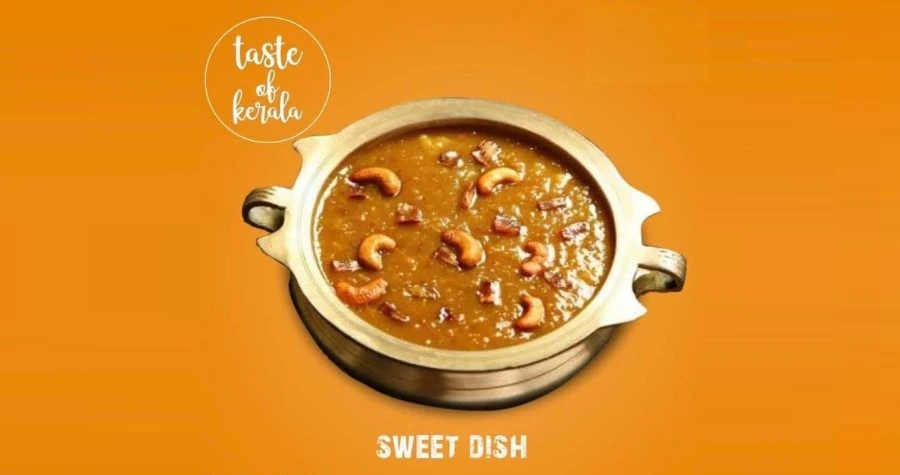
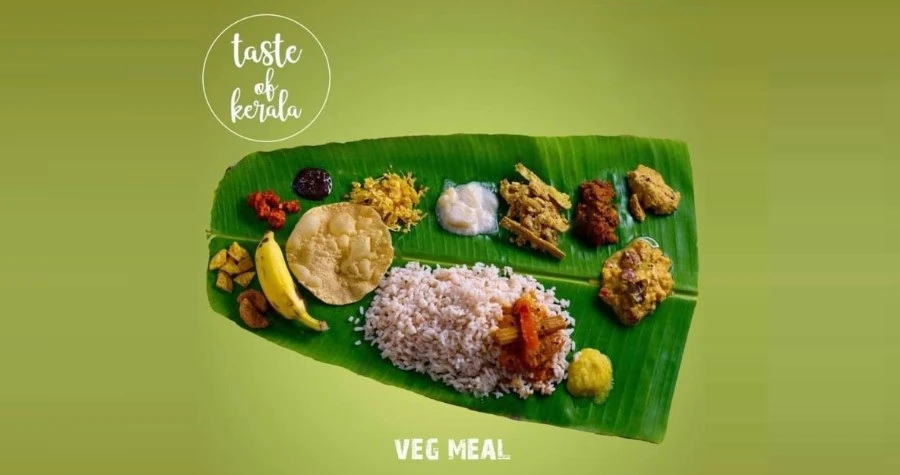
| Traditional Kerala Dishes | Sadya meals, Karimeen Pollichathu, Malabar Biryani, Appam with Stew |
|---|---|
| Fusion and Modern Options | Kerala-style wraps, rice bowls, vegan and gluten-free alternatives |
| Snacks and Street Food | Local Kerala specialties adapted for quick service |
| Meal Boxes & Festival Specials | Portion-controlled meals for working professionals and festive occasions |
4. How the Franchise Model Works
Franchise partners operate under a defined territory, following the brand’s operational standards and recipes. Partners manage daily operations, staffing, inventory, and local marketing while receiving guidance and supervision from the franchisor. The model supports QSR, casual dining, or cloud kitchen formats, providing flexibility while maintaining brand consistency and quality across all outlets.
5. Franchise Cost and Investment Overview
| Estimated Investment | INR 2–5 Lakh |
|---|---|
| Franchise Fee | INR 1 Lakh |
| Setup Cost Components | Kitchen equipment, interior setup, initial inventory, POS systems, local licensing |
| Royalty Fee | Not specified; typical royalties cover ongoing brand support, training, and marketing assistance |
6. Space and Infrastructure Requirements
| Space Requirement | 300–400 Sq.ft |
|---|---|
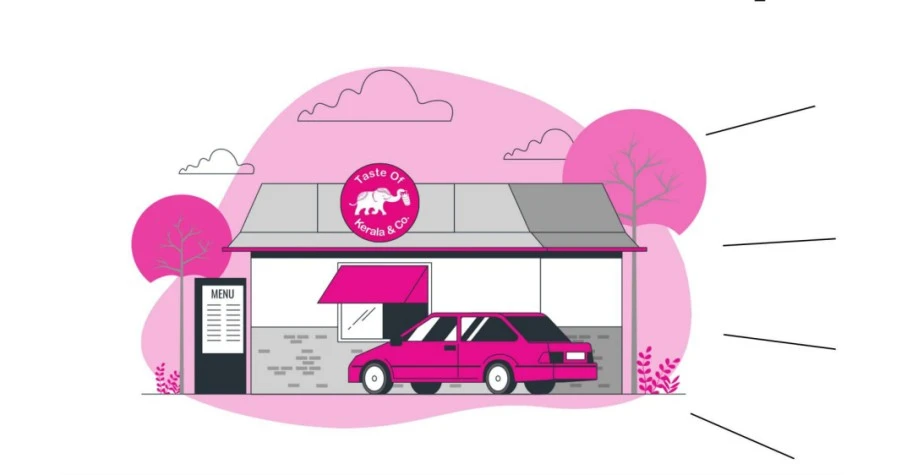
| Location Type | Urban centers, high footfall areas such as malls, commercial streets, or business districts |
| Equipment Needs | Cooking stations, refrigeration units, serving counters, POS terminals, seating for dine-in customers |
| Staffing Requirements | Chefs trained in Kerala cuisine, service staff, outlet manager |
7. Training and Franchise Support
- Pre-launch training in culinary preparation, operational management, and service standards
- Assistance with outlet setup, kitchen design, and sourcing of local ingredients
- Marketing support including social media, local campaigns, and promotional materials
- Ongoing operational guidance covering recipe updates, service consistency, and staff management
8. Revenue Model and ROI Factors
Revenue is generated through dine-in sales, takeaways, delivery orders, and festival or seasonal meal offerings. Repeat business is supported by menu diversity, consistent quality, and local marketing initiatives. Operational costs include staff wages, utilities, ingredient procurement, and marketing spend. Expected payback is 1–2 years depending on outlet location, customer volume, and efficiency.
9. Brand History and Expansion
| Founded Year | 2021 |
|---|---|
| Franchise Commencement | 2024 |
| Current Franchise Outlets | 1–10 |
| Market Focus | Urban centers in India with plans for metro and tier-2 city expansion |
| Expansion Goals | Establish multiple outlets across India and explore future international presence |
10. Key Advantages of the Franchise
- Increasing demand for regional and authentic Indian cuisine
- Scalable business model with QSR and casual dining options
- Strong potential for repeat customers due to culturally immersive menu
- Centralized recipes, training, and supply chain support
- Digital integration for online ordering, delivery, and loyalty programs
11. Who Should Consider This Franchise
- First-time entrepreneurs entering the food & beverage sector
- Investors seeking low-cost, scalable quick-service restaurant opportunities
- Small-scale restaurant operators looking to expand into regional cuisine
- Individuals passionate about South Indian culinary heritage and customer experience
13. Similar Franchise Opportunities
- Sree Krishna Sweets – South Indian snack and sweet chain
- Saravana Bhavan – Global vegetarian South Indian restaurant network
- Carnatic Café – Quick-service South Indian food outlets
- Aryaas – Fast-growing chain specializing in regional Indian meals
- Madras Cafe – South Indian cuisine-focused casual dining brand
These franchises operate in the same South Indian cuisine segment, offering comparable investor opportunities for regional restaurant concepts.

What is the investment required for Taste of Kerala and Co. franchise?
The total estimated investment ranges from INR 2–5 Lakh, including kitchen setup, interior arrangement, inventory, and operational licenses.
How does the franchise business operate?
Franchisees manage daily operations including cooking, service, inventory, and customer engagement while following brand standards, recipes, and operational workflows provided by the franchisor.
What space is required to start the franchise?
Outlets require 300–400 Sq.ft, accommodating cooking facilities, service counters, and seating for dine-in customers.
How long does it take to recover the investment?
Expected payback period is 1–2 years, influenced by location, footfall, and operational efficiency.
How can investors apply for the franchise?
Interested parties submit a franchise application, complete training programs, and launch their outlet with guidance from the franchisor for operations, staffing, and marketing. ## 13. Similar Franchise Opportunities
