



Teapical Franchise
Franchise Quick Facts
| Brand Name | Teapical |
|---|---|
| Industry / Business Category | Food & Beverage, Quick Service Restaurants |
| Founded Year | 2020 |
| Franchise Started Year | 2025 |
| Total Franchise Outlets | 1–10 |
| Estimated Investment | INR 10–20 Lakh |
| Franchise/Brand Fee | INR 5,00,000 |
| Royalty Fee | Not specified; franchise model may operate on fixed fee or revenue-sharing arrangements typical in QSR formats |
| Space Requirement | 300–500 sq.ft. |
| Staff Requirement | 3–6 employees per outlet depending on size and service hours |
| Expected Payback Period | 1–2 years |
1. What is Teapical?
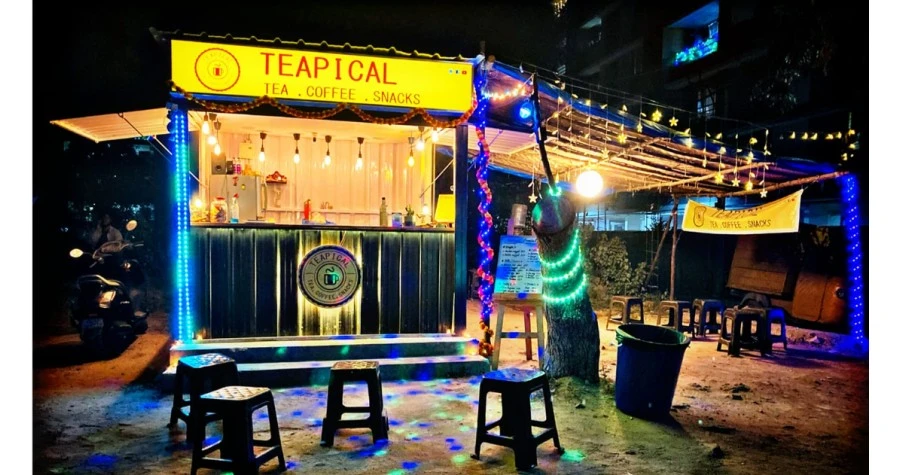
Teapical is a quick-service restaurant franchise specializing in tea-based beverages and related offerings. Operating within the food & beverage sector, the brand targets urban consumers who value both traditional chai and innovative tea blends. Its concept combines fast-service operations with a focus on community engagement and experiential tea consumption.
2. How the Business Works
Teapical outlets function as compact quick-service restaurants. Customers place orders at counters, and beverages are prepared on-demand using standardized processes. Revenue is generated from tea, coffee, and ancillary food sales. The operational workflow includes beverage preparation, order fulfillment, cash handling or POS management, and routine inventory control.
3. Products or Services Offered
Franchise outlets provide a structured menu of beverages and snacks:
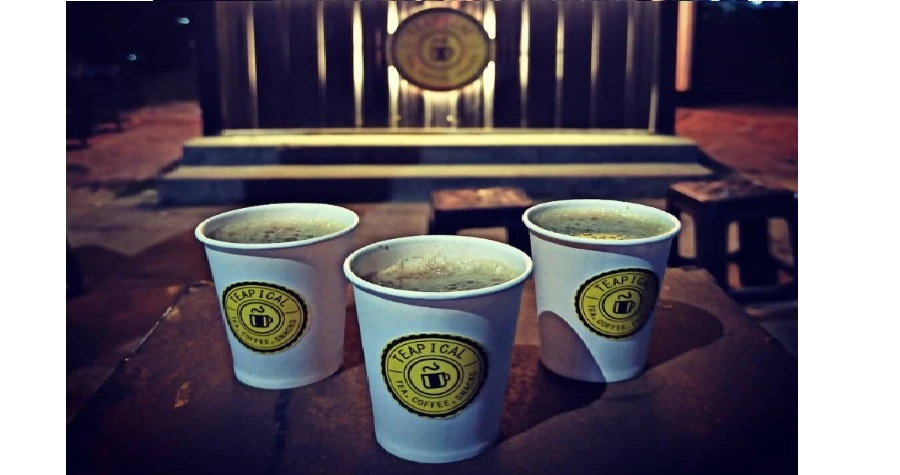
| Chai Varieties | Classic masala chai, chai lattes, iced chai, chai frappes |
|---|---|
| Tea Blends | Black tea, green tea, Earl Grey, Darjeeling, Assam |
| Herbal Teas | Chamomile, peppermint, hibiscus, other caffeine-free options |
| Fusion/Innovative Drinks | Specialty blends combining traditional spices with fruit or herb infusions |
| Light Snacks | Complementary food items to pair with beverages |
This range allows catering to diverse consumer preferences and supports high repeat purchase potential.
4. How the Franchise Model Works
| Role of Franchise Partner | Operate the outlet, manage staff, ensure quality standards |
|---|---|
| Responsibilities | Beverage preparation, inventory management, customer service, local marketing initiatives |
| Outlet Operations | Standardized menu, quick-service processes, and service quality guidelines |
| Franchisor Support | Training, operational manuals, branding guidance, and ongoing consultancy |
The model focuses on operational consistency and replicability across urban locations.
5. Franchise Cost and Investment Overview
| Estimated Investment | INR 10–20 Lakh covering franchise fee, outlet setup, equipment, and initial inventory |
|---|---|
| Franchise Fee | INR 5,00,000 |
| Royalty Fee | Not disclosed; may involve revenue-sharing or fixed fee agreements typical for QSRs |
| Setup Costs | Furniture, beverage preparation equipment, point-of-sale systems, initial marketing |
Investment is structured for a small-to-medium footprint outlet capable of handling moderate urban traffic.
6. Space and Infrastructure Requirements
| Space Requirement | 300–500 sq.ft., adaptable for street-front, mall, or campus locations |
|---|---|
| Preferred Locations | Urban high-footfall areas such as malls, commercial streets, or educational campuses |
| Equipment Needs | Tea brewing stations, coffee machines, cold beverage dispensers, POS systems |
| Staffing Requirements | 3–6 employees depending on service hours and outlet size |
Infrastructure supports fast service while maintaining beverage quality standards.
7. Training and Franchise Support
Franchisees receive support in the following areas:
- Operational training for beverage preparation and service standards
- Guidance for outlet setup and interior design aligned with brand identity
- Marketing and promotional assistance to drive initial footfall
- Supply chain support for sourcing ingredients and inventory management
- Ongoing operational consultation to maintain quality and efficiency
8. Revenue Model and ROI Considerations
Revenue is primarily derived from beverage sales, supplemented by snacks or light meals. Key profit drivers include:
- Product variety and quality
- Location foot traffic and customer density
- Staff efficiency and speed of service
- Effective cost control for ingredients and operations
Expected payback period is 1–2 years, contingent on outlet performance and market conditions.
9. Brand Background and Expansion
| Founded | 2020 |
|---|---|
| Franchise Commenced | 2025 |
| Current Network | Initial franchise rollout with 1–10 outlets |
| Geographic Focus | Urban centers with high pedestrian traffic |
| Expansion Goals | Gradual growth targeting multiple metropolitan and semi-urban areas |
The brand emphasizes community engagement and experiential tea consumption to support expansion.
10. Key Advantages of the Franchise Opportunity
- High consumer demand for specialty teas and quick-service beverages
- Compact, scalable outlet model requiring moderate capital
- Diverse menu appealing to traditional and innovative tea consumers
- Operational support and standardized processes provided by the franchisor
- Potential for repeat customer visits due to community-driven experience
12. Similar Franchise Opportunities
- Chaayos
- Chai Point
- Tea Trails
- Indian Coffee House (franchise locations)
- Cafe Coffee Day
These brands operate in quick-service tea or café formats, providing comparable small-format investment and operational models.

What is the investment required for Teapical franchise?
The franchise requires an investment of INR 10–20 Lakh, including the franchise fee, setup costs, equipment, and initial inventory. This allows investors to establish small-to-medium footprint outlets in high-traffic urban areas.
How does the Teapical franchise business work?
Franchisees operate quick-service tea outlets, preparing and selling a range of traditional and innovative teas, coffees, and light snacks. Operational guidelines ensure standard quality, rapid service, and effective inventory management.
What space is required for this franchise?
Outlets require 300–500 sq.ft., suitable for urban locations such as malls, high streets, campuses, or transport hubs, supporting efficient service and customer comfort.
How long does it take to recover the investment?
With typical urban foot traffic and moderate operational efficiency, franchisees can expect a payback period of 1–2 years, depending on location performance and sales volume.
How can investors apply for the franchise?
Prospective franchisees can contact Teaology’s corporate franchise team to submit applications, complete location assessments, review operational requirements, and formalize agreements. ## 12. Similar Franchise Opportunities
