


Tandoori Hut Rpd Franchise
1. What is Tandoori Hut Rpd?
Tandoori Hut Rpd operates in the quick service restaurant (QSR) sector, specializing in vegan and vegetarian cuisine. The brand offers plant-based dishes including high-protein Soya-based meals, targeting urban and health-conscious customers. It falls under the broader quick service restaurant franchise category focused on healthy, protein-rich, and plant-based menu offerings.
The Business Concept
The core concept revolves around providing flavorful, nutritious, and innovative plant-based meals in a quick-service format. Outlets emphasize consistent food quality, efficient preparation of Soya-based and vegetarian dishes, and a customer-friendly dining experience that combines health, taste, and convenience.
2. How the Business Operates
Tandoori Hut Rpd functions as a quick-service restaurant catering to dine-in, takeaway, and delivery customers.
Operational workflow includes:
- Order placement at counters or online platforms
- Food preparation using standardized recipes emphasizing plant-based protein
- Meal assembly and service to customers
- Daily management of inventory, staff, and cash flow
Revenue is primarily generated through food sales, with menu diversity encouraging repeat visits.
3. Products or Services Portfolio
Franchise outlets offer:
| Soya-Based Meals | High-protein alternatives to non-vegetarian dishes |
|---|---|
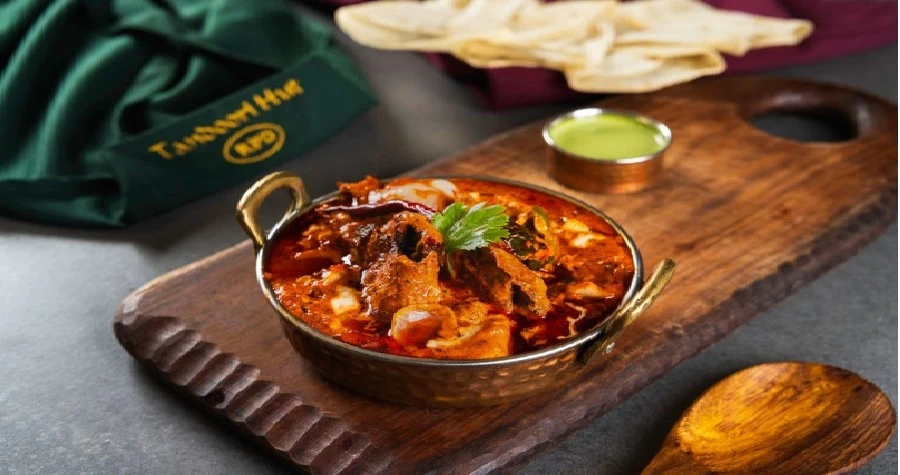
| Vegan and Vegetarian Curries | Rich, flavorful options |
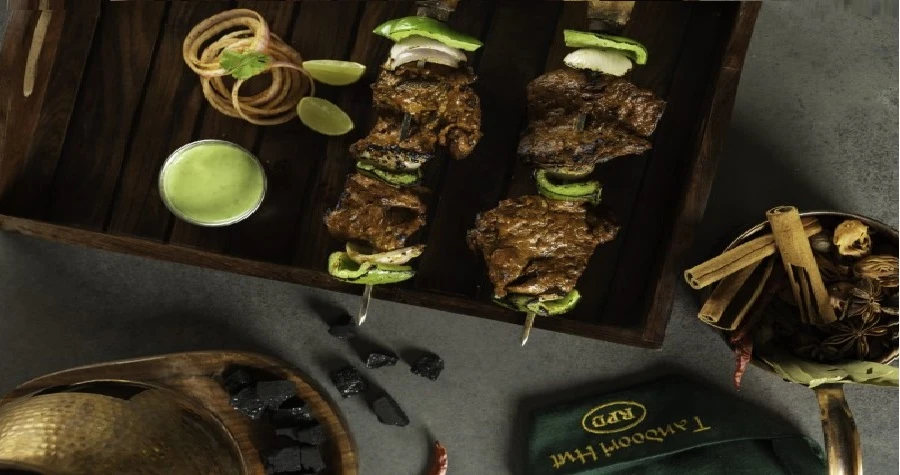
| Tandoori Specialties | Plant-based kebabs and grilled items |
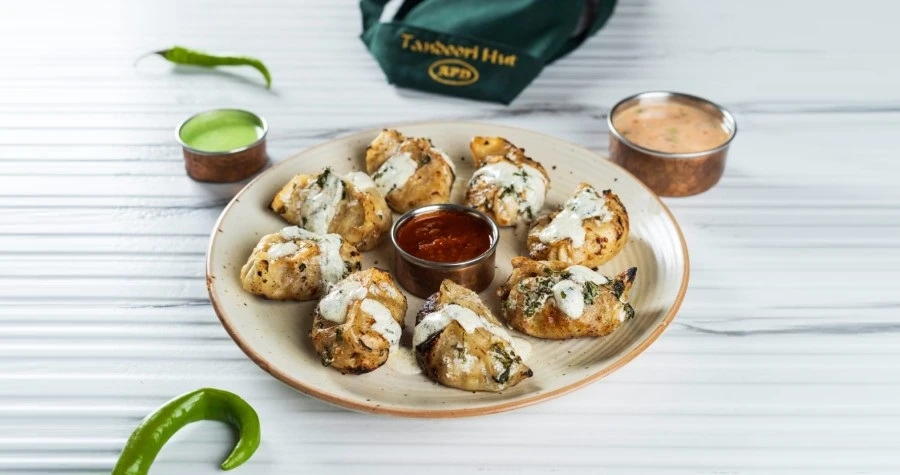
| Appetizers & Snacks | Plant-based starters and finger foods |
| Beverages | Complementary drinks for QSR operations |
The menu is structured for health-conscious and vegetarian/vegan consumers.
4. The Franchise Opportunity
Entrepreneurs operate outlets under the Tandoori Hut Rpd brand, following established operational standards.
Franchise partner responsibilities include:
- Managing day-to-day operations and staff
- Preparing food according to standardized recipes
- Maintaining hygiene, quality, and customer service
- Managing inventory and local marketing
Franchisor provides training, operational guidelines, and ongoing support to ensure brand consistency.
5. Investment and Startup Requirements
Key financial considerations:
| Estimated Investment | INR 5–10 Lakh |
|---|---|
| Franchise Fee | Included in the stated investment |
| Setup Costs | Kitchen equipment, furniture, initial inventory, décor |
| Royalty Fee | 1% of revenue |
| Pre-Opening Expenses | Licensing, staff hiring, and local marketing |
Investment covers outlet setup, operational readiness, and initial promotional activities.
6. Outlet Setup and Infrastructure
Requirements include
| Area | 200–400 sq.ft suitable for quick-service format |
|---|---|
| Location Preferences | Urban commercial areas, high footfall streets, and malls |
| Infrastructure Needs | Kitchen setup for plant-based meals, counter, seating, storage |
| Staffing | 3–6 personnel depending on outlet scale |
The setup supports efficient food preparation, service flow, and customer experience.
7. Franchise Support and Training
Franchise partners receive:
| Operational Training | Food preparation, hygiene, service standards |
|---|---|
| Setup Assistance | Outlet layout and equipment installation guidance |
| Marketing Guidance | Local promotions and brand positioning |
| Supply Chain Systems | Ingredient sourcing and inventory management |
| Ongoing Support | Performance monitoring and operational advice |
Support ensures consistency and operational efficiency across outlets.
8. Revenue Model and Profit Considerations
Revenue is generated primarily through sales of plant-based and vegetarian meals.
Profitability factors include:
| Pricing Structure | Competitive quick-service pricing for urban consumers |
|---|---|
| Customer Demand | Increasing interest in plant-based and high-protein meals |
| Repeat Customer Potential | Encouraged through menu variety and consistent quality |
| Operational Costs | Ingredients, staffing, rent, utilities |
Expected payback period is 1–2 years depending on location and customer traffic.
9. Brand Background and Growth
| Founded | 2011 |
|---|---|
| Franchise Launch | 2020 |
| Current Outlets | 10–20 |
| Geographic Presence | Expanding across Indian urban centers |
| Expansion Plans | Scalable franchise network with standardized operations and menu |
The brand focuses on plant-based and vegetarian cuisine, leveraging the growing health-conscious consumer segment.
10. Brand & Franchise Snapshot
| Brand Name | Tandoori Hut Rpd |
|---|---|
| Industry | Food & Beverage |
| Business Category | Quick Service Restaurant |
| Founded Year | 2011 |
| Franchise Started | 2020 |
| Total Franchise Outlets | 10–20 |
| Estimated Investment | INR 5–10 Lakh |
| Franchise Fee | Included in investment |
| Royalty Fee | 1% of revenue |
| Space Requirement | 200–400 sq.ft |
| Staff Requirement | 3–6 personnel |
| Expected Payback Period | 1–2 Years |
11. Who Should Consider This Franchise
Suitable for:
- First-time entrepreneurs entering the food service sector
- Investors seeking quick-service restaurant formats
- Operators interested in plant-based and vegetarian cuisine
- Entrepreneurs targeting urban areas with health-conscious consumers
The opportunity is relevant for those comfortable managing small retail food operations.
13. Similar Franchise Opportunities
Investors may also evaluate:
- Faasos
- Bikanervala
- Haldiram’s
- Sagar Ratna
- Wow! Momo
These brands operate in the quick-service vegetarian and plant-based food segment with comparable investment and operational models.
What is the investment required for Tandoori Hut Rpd franchise?
Initial investment ranges from INR 5–10 Lakh, covering outlet setup, kitchen equipment, furniture, and initial inventory. Costs vary depending on location, scale, and operational requirements.
How does the Tandoori Hut Rpd franchise business operate?
Franchisees run quick-service outlets offering plant-based and vegetarian meals. Daily operations include food preparation, service, staff management, and maintaining operational standards set by the franchisor.
What space is required to start the franchise?
Outlets require 200–400 sq.ft, suitable for urban commercial zones with space for kitchen, counter, seating, and storage.
How long does it take to recover the investment?
Expected payback is 1–2 years, depending on customer traffic, operational efficiency, and menu adoption.
How can investors apply for the franchise?
Investors can contact the franchisor, submit an application, review terms, and initiate outlet setup after approval. ## 13. Similar Franchise Opportunities
