


Rasta Street Cafe Franchise
1. What is Rasta Street Café?
Rasta Street Café operates in the quick service restaurant (QSR) segment, offering a mix of beverages and fast food with a focus on Mexican and Italian cuisine. The brand started as a food cart and expanded into cafés that provide casual dining experiences. Its target customers include urban consumers seeking high-quality quick meals and beverages in a welcoming environment.
The business concept centers on delivering a curated food experience that combines popular fast food with specialty beverages, emphasizing quality, innovation, and community engagement. The café model enhances customer interaction by offering a comfortable space for dining and socializing, distinguishing it from typical food carts or standard QSR outlets.
2. How the Business Operates
Rasta Street Café functions as a quick service dining establishment. Customers place orders at the counter, selecting from beverages, fast food items, and specialty menu dishes. Orders are prepared on-site, ensuring freshness and consistency. Daily operations involve managing food preparation, maintaining service quality, and overseeing café maintenance. Revenue is primarily generated through direct sales of food and beverages, with repeat customers contributing to steady income streams.
3. Products or Services Portfolio
| Beverages | Specialty hot chocolate, coffee, and other drinks |
|---|---|
| Fast Food Items | Quick-prepared snacks and meals |
| Mexican Cuisine | Selected items including tacos, wraps, and sides |
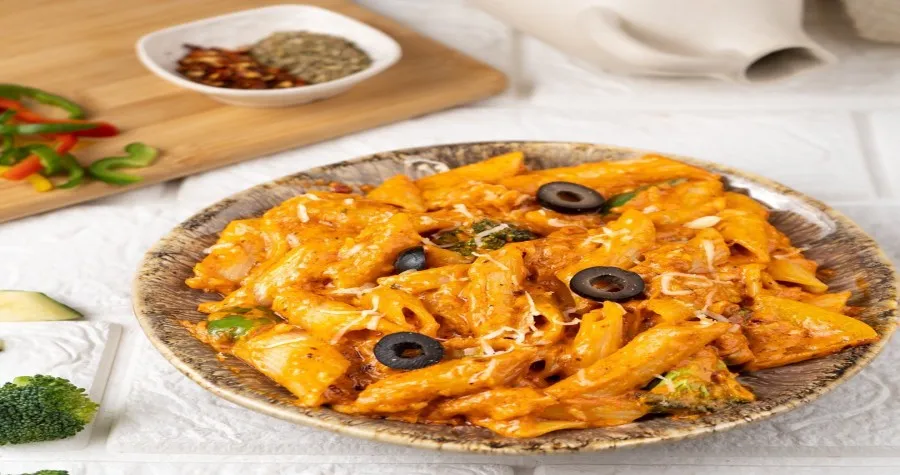
| Italian Cuisine | Limited offerings such as pasta and pizzas |
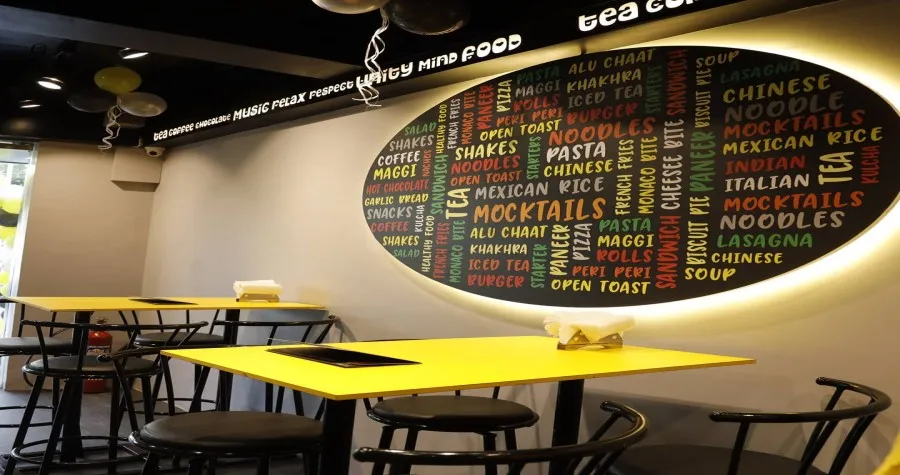
| Café Experience | On-site dining with a casual and engaging atmosphere |
4. The Franchise Opportunity
Entrepreneurs can operate a Rasta Street Café outlet under a franchise model. Franchise partners manage day-to-day operations, oversee staff, and ensure adherence to brand standards. Outlets operate under the guidance of the franchisor, receiving support in menu execution, operational systems, and marketing. The relationship focuses on standardizing customer experience while allowing franchisees to manage local operations.
5. Investment and Startup Requirements
| Estimated Investment | INR 10 Lakh – 20 Lakh |
|---|---|
| Franchise/Brand Fee | INR 2,50,000 |
| Royalty Fee | 4% of gross revenue |
Investments typically cover setup costs, equipment, initial inventory, and working capital. Franchise partners also allocate funds for marketing and staffing during launch. These cost components reflect the practical expenses of opening a small QSR outlet in India.
6. Outlet Setup and Infrastructure
| Space Requirement | 300–500 sq.ft |
|---|---|
| Location | High-footfall areas, shopping districts, or near commercial hubs |
| Equipment Needs | Kitchen appliances for beverage and fast food preparation |
| Staffing | Small teams trained in food preparation, service, and customer interaction |
The café setup balances operational efficiency with a comfortable customer experience.
7. Franchise Support and Training
Rasta Street Café provides support in several areas:
| Operational Training | Guidance on food preparation, customer service, and store management |
|---|---|
| Store Setup Assistance | Layout planning and equipment installation |
| Marketing Support | Brand promotions, local advertising strategies, and digital campaigns |
| Supply Chain Assistance | Ingredient sourcing and inventory management |
| Ongoing Support | Regular operational advice and updates on menu offerings |
8. Revenue Model and Profit Considerations
Revenue is generated through the sale of beverages and quick-service meals. Pricing is structured to cover food costs, staffing, and operational expenses while providing sustainable margins. Customer demand is influenced by product quality, beverage specialties, and café ambiance. Operational efficiency and repeat customer traffic contribute to profitability. The likely payback period for franchisees is estimated at 1–2 years.
9. Brand Background and Growth
| Established | 2018 (first food cart) |
|---|---|
| Franchise Launch | 2021 |
| Franchise Network | 1–10 outlets |
| Expansion Focus | Urban centers with potential for small-scale café operations |
The brand evolved from a food cart to a café model to provide a broader culinary experience and engage with local communities.
10. Brand & Franchise Snapshot
Brand Name: Rasta Street Café
Industry: Food & Beverage
Business Category: Quick Service Restaurant
Founded Year: 2018
Franchise Started Year: 2021
Headquarters: Not specified
Total Franchise Outlets: 1–10
Estimated Investment: INR 10 Lakh – 20 Lakh
Franchise Fee: INR 2,50,000
Royalty Fee: 4%
Space Requirement: 300–500 sq.ft
Staff Requirement: Small team of 4–6 members
Expected Payback Period: 1–2 Years
11. Who Should Consider This Franchise
- First-time business owners seeking manageable QSR operations
- Investors interested in beverage-led and casual dining concepts
- Entrepreneurs exploring urban food service opportunities
- Small-scale operators targeting high-footfall locations with limited space
13. Similar Franchise Opportunities
- Barista Lavazza – Coffee café chain in India
- Chai Point – Beverage-focused quick service outlets
- Wow! Momo – Urban fast food chain specializing in snacks
- The Belgian Waffle Co. – Café and dessert-based quick service
- Keventers – Beverage-led café and milkshake chain
Rasta Street Café offers a small-scale café opportunity for investors seeking a niche in the urban QSR segment with potential for steady growth.
What is the investment required for Rasta Street Café franchise?
The estimated investment ranges from INR 10 Lakh to 20 Lakh, including setup costs, equipment, initial inventory, and brand fees. This covers operational readiness for a 300–500 sq.ft café in a commercial location.
How does the Rasta Street Café franchise business operate?
Franchisees manage day-to-day café operations, including food preparation, beverage service, staffing, and customer engagement. Outlets operate under the brand’s standards, with ongoing guidance from the franchisor on operational procedures and menu consistency.
What space is required to start the franchise?
Outlets typically require 300–500 sq.ft of space, ideally in high-footfall urban areas such as shopping streets or commercial hubs, with room for kitchen operations, customer seating, and service counters.
How long does it take to recover the investment?
Based on current projections, franchisees can expect a payback period of 1–2 years, depending on location performance, operational efficiency, and customer demand.
How can investors apply for the franchise?
Interested entrepreneurs can submit an application through the brand’s franchise inquiry system, providing details on financial readiness, location preferences, and operational plans. Initial discussions and evaluation follow to assess suitability for the franchise model.
