



Mr. Kutchhi Franchise
Brand & Franchise Snapshot
| Brand Name | Mr. Kutchhi |
|---|---|
| Industry | Food & Beverage |
| Business Category | Quick Service Restaurant (QSR) |
| Founded Year | 2018 |
| Franchise Started | 2022 |
| Total Franchise Outlets | 1–10 |
| Estimated Investment | INR 10 Lakh – 20 Lakh |
| Franchise Fee | INR 3,00,000 |
| Royalty Fee | 5% |
| Space Requirement | 300 – 350 sq.ft |
| Staff Requirement | Small team for kitchen and service operations |
| Expected Payback Period | 1–2 Years |
Understanding the Brand
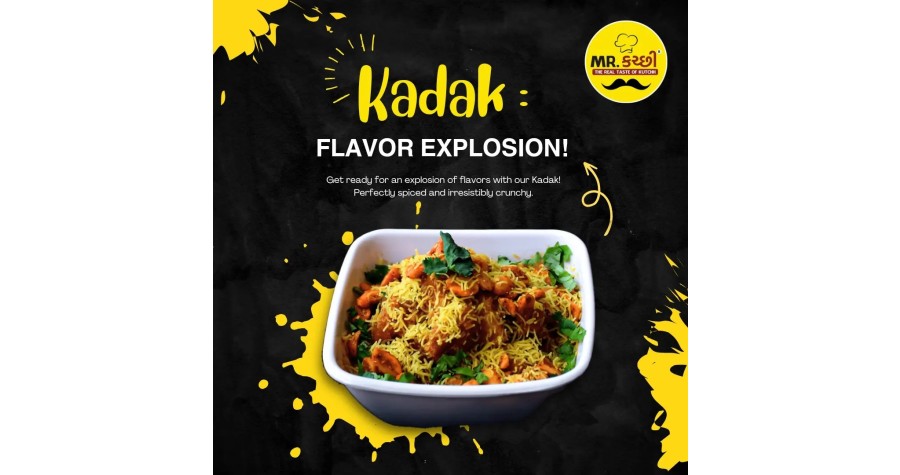
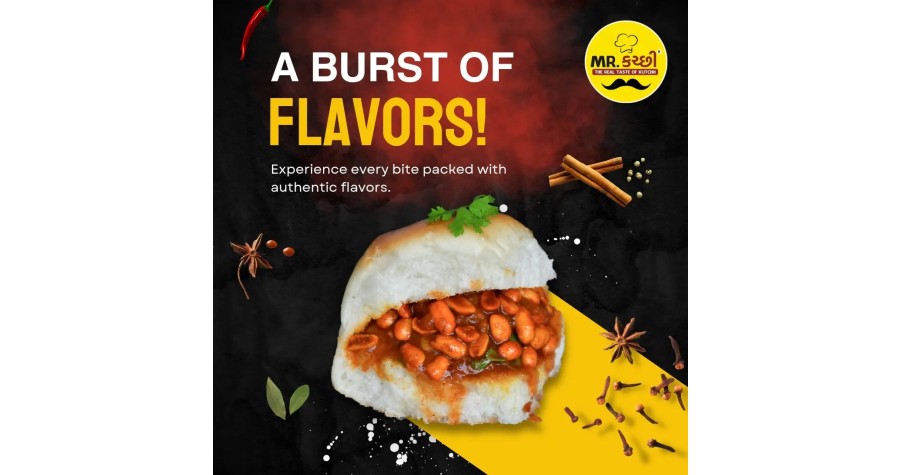
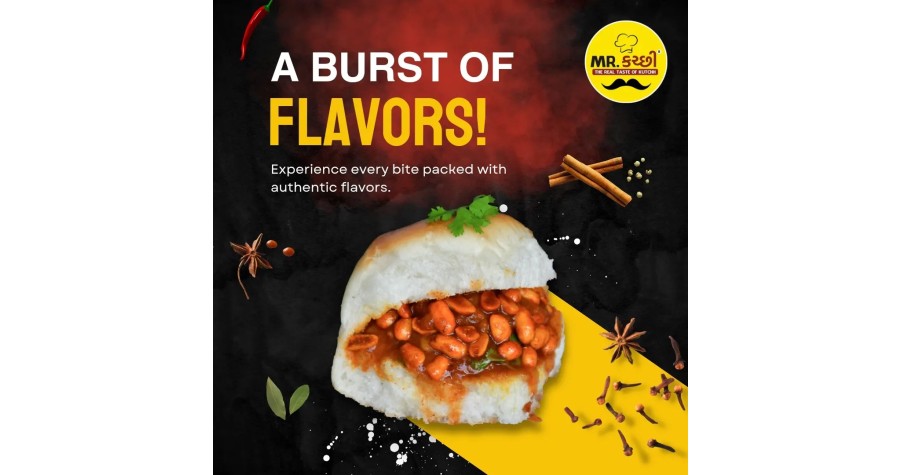
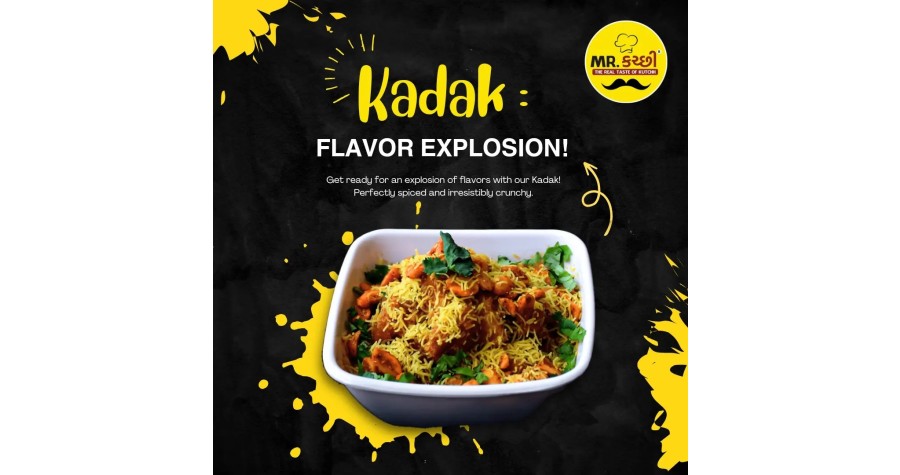
Mr. Kutchhi is a quick service restaurant franchise focused on regional Indian street food, particularly Kutchhi cuisine with an emphasis on dabeli-based offerings. It operates within the fast-food and snack segment, serving customers looking for traditional flavors in a standardized and accessible outlet format.
2. Operating Concept
The business follows a compact QSR model designed for high turnover and quick service.
Customers typically order at the counter or via takeaway and delivery platforms. Food preparation is streamlined, with pre-prepared components assembled quickly to maintain consistency and speed. The workflow emphasizes fast service, minimal waiting time, and efficient handling of peak-hour demand.
Revenue is generated through high-volume snack sales with relatively low preparation time per order.
3. Products or Service Categories
The product mix focuses on regional street food with variations:
| Core Products | Kutchhi dabeli in traditional and modified formats |
|---|---|
| Snack Variants | Fusion versions incorporating cheese, spices, and alternative fillings |
| Street Food Add-ons | Complementary items aligned with Indian snack culture |
| Beverages | Basic drinks to accompany quick meals |
The menu is centered around a single category with variations, simplifying operations.
4. Franchise Partnership Structure
The franchise model is structured around standardized food operations.
| Franchise Partner Role | Manage daily outlet operations and local sales |
|---|---|
| Operational Responsibilities | Food preparation, quality control, staff handling, and customer service |
| Franchisor Role | Provide recipes, branding, and operational systems |
| System Structure | Centralized brand with controlled menu and process consistency |
The model relies on process standardization to maintain uniform product taste across outlets.
5. Investment and Startup Costs
The investment level is moderate within the QSR category.
| Estimated Investment | INR 10–20 lakh |
|---|---|
| Franchise Fee | INR 3 lakh |
| Setup Costs | Kitchen equipment, branding, interiors, and initial stock |
| Royalty Fee | 5% of revenue, typically used for brand support and system maintenance |
Other recurring costs include rent, wages, and raw materials.
6. Outlet Setup Requirements
| Space Requirement | 300–350 sq.ft |
|---|---|
| Preferred Locations | High footfall zones such as markets, roadside retail, and food clusters |
| Infrastructure | Compact kitchen setup with takeaway-friendly layout |
| Staffing | Limited team sufficient for preparation and counter service |
The small footprint supports cost control and faster breakeven potential.
7. Franchise Support Systems
Franchise partners receive operational and technical support:
- Training in food preparation and service standards
- Assistance with outlet setup and branding implementation
- Menu standardization and recipe guidance
- Marketing and promotional support
- Ongoing operational assistance
These systems reduce the learning curve for new operators.
8. Revenue Model and Profit Drivers
Revenue depends on volume-driven sales in the snack segment.
| Pricing Strategy | Affordable pricing to attract frequent purchases |
|---|---|
| Demand Drivers | Popularity of regional street food and quick meals |
| Repeat Customers | High due to snack-based consumption habits |
| Cost Considerations | Ingredient sourcing, rent, and staffing |
| Payback Period | Typically achievable within 1–2 years depending on location performance |
9. Brand Background and Expansion
The brand originated in 2018 as a small-format food operation and later expanded into physical outlets. Franchising began in 2022, with early-stage network development and a focus on expanding within urban markets.
10. What Makes This Franchise Different
The concept focuses on a single regional specialty—Kutchhi dabeli—rather than offering a broad multi-category menu. This specialization simplifies kitchen operations, reduces inventory complexity, and allows faster service compared to typical QSRs that manage diverse menus.
Advantages of the Franchise
- Strong demand for Indian street food formats
- Focused menu simplifies operations and training
- Moderate investment with compact setup
- High repeat purchase potential
- Scalable across urban and semi-urban markets
- Standardized processes reduce operational complexity
11. Who Should Consider This Franchise
- First-time entrepreneurs entering the food business
- Small retail investors seeking QSR formats
- Operators interested in regional food concepts
- Individuals looking for compact, takeaway-focused outlets
13. Similar Franchise Opportunities
- Goli Vada Pav
- Wow! Momo
- Chai Sutta Bar
- Tea Time
- Bikanervala
These brands operate in comparable quick-service and street food-inspired formats, offering similar investment profiles and scalable franchise models.
What investment is required for Mr. Kutchhi franchise?
The estimated investment ranges between INR 10 lakh and 20 lakh. This includes franchise fees, outlet setup, kitchen equipment, and initial working capital required to begin operations.
How does the Mr. Kutchhi franchise operate?
The franchise operates as a quick service restaurant with a focus on fast-moving snack items. Orders are processed quickly, and food is prepared using standardized methods to ensure consistency and speed.
What space is required to start the franchise?
A compact space of around 300 to 350 sq.ft is sufficient. Locations with strong footfall such as markets or busy streets are generally preferred for higher customer traffic.
How long does it take to recover the investment?
The expected payback period is approximately 1 to 2 years. Actual recovery depends on location, sales volume, and operational efficiency.
How can investors apply for the franchise?
Investors can apply by contacting the brand, completing onboarding procedures, setting up the outlet according to brand specifications, and launching operations after training and support are provided. ## 13. Similar Franchise Opportunities
