



First Wave Fries Franchise
Franchise Quick Facts
| Brand Name | First Wave Fries |
|---|---|
| Industry / Business Category | Quick Service Restaurants (QSR) |
| Founded Year | 2022 |
| Franchise Started Year | 2025 |
| Total Franchise Outlets | 1 – 10 |
| Estimated Investment | INR 10 Lakh – 20 Lakh |
| Franchise Fee | Typically represents brand licensing and onboarding cost in QSR systems |
| Royalty Fee | 6% |
| Space Requirement | 200 – 300 sq. ft. |
| Staff Requirement | Small service and kitchen team for daily operations |
| Expected Payback Period | 9 – 11 Years |
1. What is First Wave Fries?
First Wave Fries is a quick service restaurant (QSR) brand focused on serving fries-based snacks, burgers, beverages, and desserts within the casual dining and fast-food segment. It operates in the comfort food category, targeting customers looking for affordable, ready-to-eat items in a relaxed dine-in or takeaway environment.
The franchise represents a small-format QSR model centered on fries and complementary snack items.
2. How the Business Works
The business operates as a counter-service or small dine-in outlet where customers place orders for ready-to-prepare food items. Orders are processed quickly, with minimal cooking time, making it suitable for high customer turnover.
Daily operations include ingredient preparation, order assembly, cooking or frying, serving, and managing dine-in or takeaway customers. Revenue is generated through direct food and beverage sales, including individual items, combos, and add-ons.
3. Products or Services Offered
Core Offerings
- Fries in multiple formats and flavors
- Loaded and seasoned fries variants
Fast Food Items
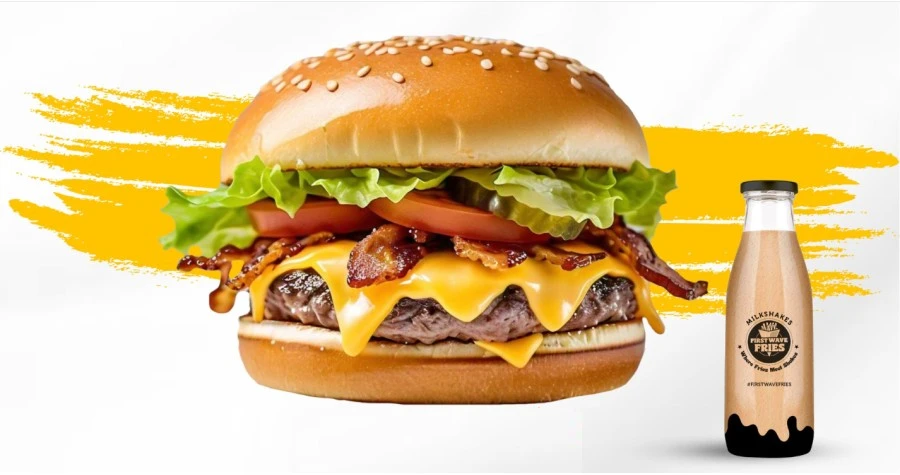
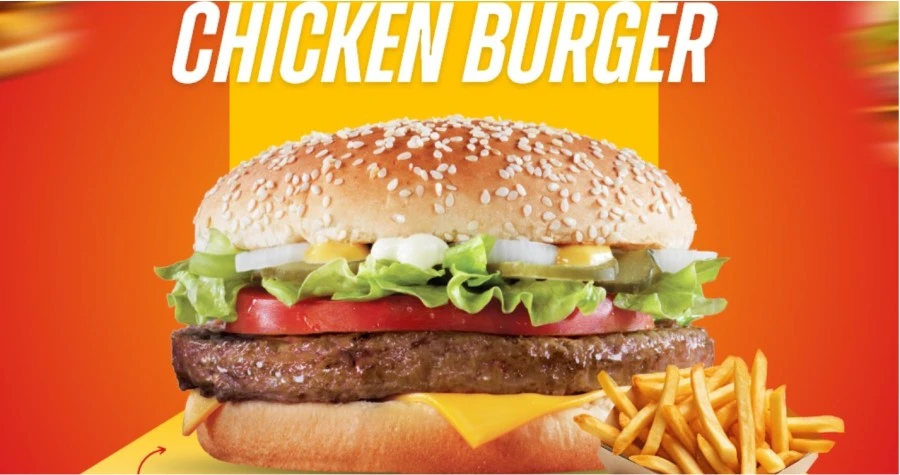
- Burgers with vegetarian and non-vegetarian options
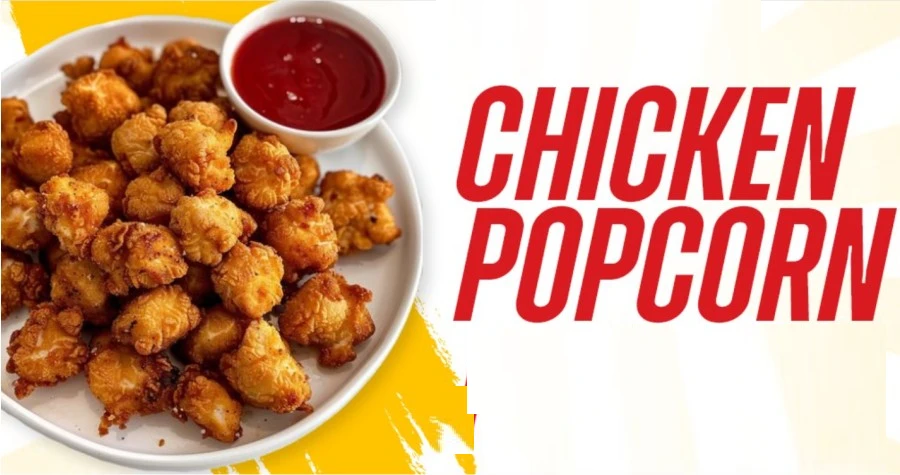
- Light snack items and quick bites
Desserts
- Ice creams
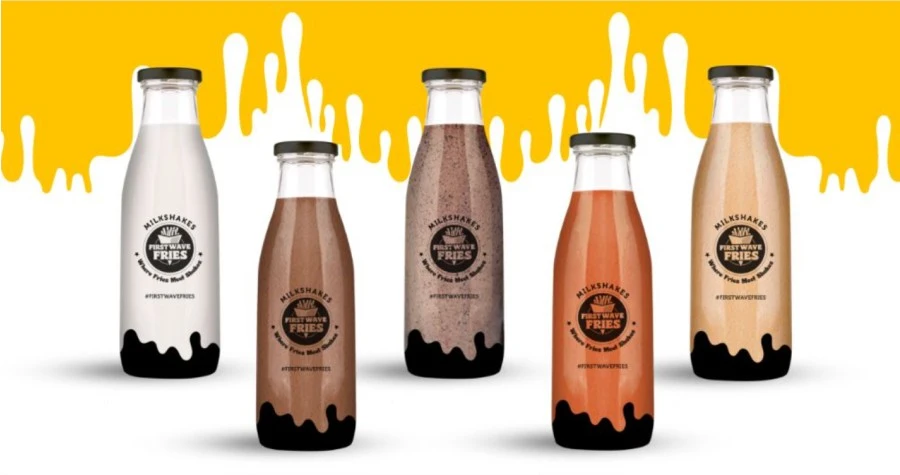
- Milkshakes and dessert-based beverages
Beverages
- Mojitos and refreshing drinks
- Cold beverages and soft drinks
The menu structure focuses on high-margin, fast-moving items with simple preparation processes.
4. How the Franchise Model Works
The franchise follows a standard QSR operational model.
Franchise Partner Role
- Set up and operate the outlet
- Manage daily kitchen and service operations
- Handle staff, inventory, and customer service
- Drive local marketing and sales
Franchisor Role
- Provide brand identity and menu framework
- Offer operational guidance and standard processes
- Support with setup and business structuring
The model is designed for consistent execution across small-format outlets.
5. Franchise Cost and Investment Overview
| Estimated Investment | INR 10 Lakh – 20 Lakh |
|---|---|
| Royalty Fee | 6% |
Typical Investment Components
- Outlet setup and interiors
- Kitchen equipment and storage
- Initial inventory and supplies
- Branding and signage
- Working capital for operations
Franchise fee in QSR businesses generally covers brand usage, onboarding, and operational support.
6. Space and Infrastructure Requirements
| Space Requirement | 200 – 300 sq. ft. |
|---|---|
| Preferred Locations | High footfall areas such as markets, malls, food streets, and near educational institutions |
| Infrastructure Needs | — |
- Frying and cooking equipment
- Refrigeration and storage units
- Billing and POS systems
- Staffing: Small team for cooking, serving, and billing
The compact size allows flexible setup in urban and semi-urban locations.
7. Training and Franchise Support
- Initial training on food preparation and kitchen operations
- Guidance on maintaining consistency and quality standards
- Store setup assistance and operational workflows
- Basic marketing and branding support
These systems help franchise partners maintain standardized service and product delivery.
8. Revenue Model and ROI Factors
Revenue is generated through:
- Sale of fries, burgers, and beverages
- Combo meals and upselling of add-ons
- Repeat orders driven by affordable pricing and snack consumption
Key demand drivers include youth customers, casual dining habits, and quick snack consumption patterns. Profitability depends on location footfall, pricing strategy, and operational efficiency.
Expected Payback Period: 9 – 11 years
9. Brand History and Expansion
The brand was established in 2022 and entered franchising in 2025. Current expansion is at an early stage with a limited number of outlets, indicating a developing franchise network.
Growth is expected through expansion into urban food retail locations and small-format QSR outlets.
10. Key Advantages of the Franchise
- Strong demand for fast food and snack-based dining
- Compact outlet size reduces rental and setup costs
- Simple menu enables faster operations
- Repeat purchase potential from regular customers
- Scalable model suitable for multiple locations
11. Who Should Consider This Franchise
This franchise may be suitable for:
- First-time business owners entering the food industry
- Entrepreneurs looking for small-format QSR models
- Investors targeting high-footfall retail food segments
- Individuals interested in fast-moving consumer food businesses
Similar Franchise Opportunities
Entrepreneurs evaluating similar quick service restaurant concepts may consider:
- Belgian Fries
- McDonald’s
- Burger King
- KFC
- Wow! Momo
What is the investment required for First Wave Fries franchise?
The estimated investment ranges from INR 10 lakh to 20 lakh. This typically covers outlet setup, kitchen equipment, branding, and initial working capital required to operate a small-format QSR outlet.
How does the First Wave Fries franchise business work?
The business operates as a quick service restaurant where customers order ready-to-eat snacks like fries, burgers, and beverages. Revenue is generated through high-volume sales and quick order turnover.
What space is required for the franchise?
An outlet size of approximately 200 to 300 sq. ft. is sufficient. Locations with strong footfall such as malls, street markets, and near colleges are generally preferred.
How long does it take to recover the investment?
The expected payback period is around 9 to 11 years. Recovery depends on sales volume, location performance, and operational efficiency.
How can investors apply for the franchise?
Investors typically connect with the brand’s franchise team, complete onboarding formalities, and receive setup guidance, training, and operational support to launch the outlet. ## Similar Franchise Opportunities
