


Kande Pohe Ani Barach Kahi Franchise
Brand & Franchise Snapshot
| Brand Name | Kande Pohe Ani Barach Kahi |
|---|---|
| Industry / Category | Quick Service Restaurants (QSR) / Indian Breakfast Chain |
| Founded Year | 2016 |
| Franchise Started Year | 2019 |
| Total Franchise Outlets | 20–50 |
| Estimated Investment | INR 10–20 Lakhs |
| Franchise Fee | INR 3.5 Lakhs |
| Royalty Fee | Typically structured as a percentage of sales in QSR systems |
| Space Requirement | 300–400 sq. ft. |
| Staff Requirement | 4–8 persons |
| Expected Payback Period | 1–2 years |
1. What is Kande Pohe Ani Barach Kahi?
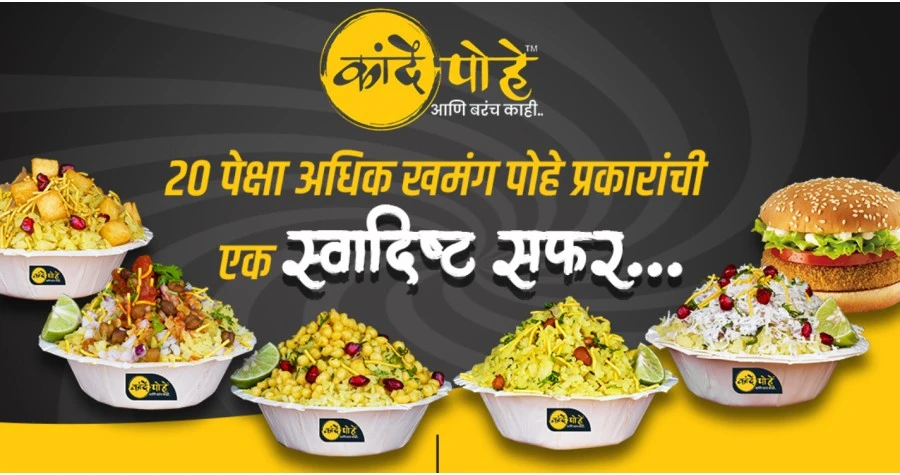
Kande Pohe Ani Barach Kahi is a quick service restaurant brand focused on Indian breakfast cuisine, specializing in poha-based dishes along with a wide range of regional breakfast items and beverages.
The franchise operates in the QSR breakfast segment, offering a menu built around traditional Indian morning meals adapted into a standardized, scalable retail format.
2. How the Business Works
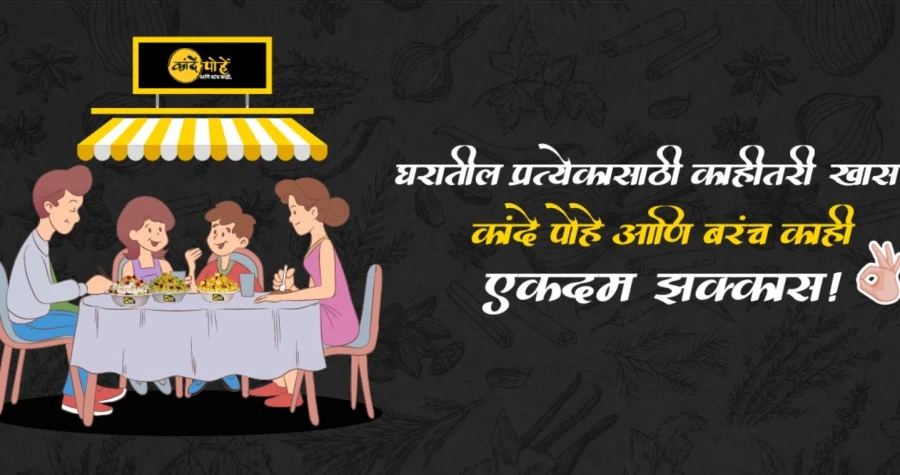
The business follows a fast-casual QSR model with high turnover and standardized preparation.
Customer Journey
- Customers visit the outlet for breakfast or snack consumption
- Orders are placed at the counter
- Food is prepared quickly using pre-defined processes
- Meals are served for dine-in or takeaway
Operational Workflow
- Centralized recipes ensure consistency across outlets
- Limited cooking complexity supports fast service
- Batch preparation during peak hours improves efficiency
Revenue is generated through high-frequency transactions, particularly during breakfast and early-day hours, supported by beverage and snack add-ons.
3. Products or Services Offered
The brand offers a diversified breakfast-focused menu:
Core Offering (Signature Category)
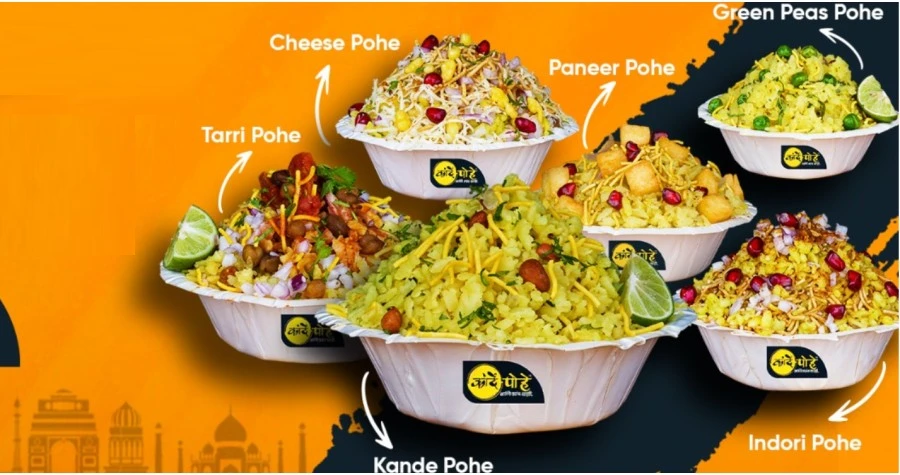
- Multiple varieties of poha, including traditional and fusion styles
Expanded Breakfast Menu
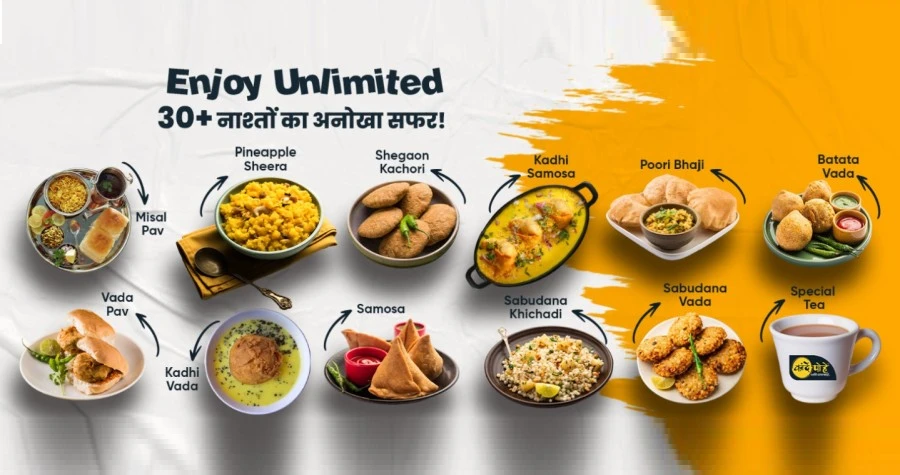
- Regional Indian dishes such as misal pav, parathas, idli, vada, and puri-based meals
- Popular snack items like samosa, kachori, and vada pav
Beverages
- Tea-based options including traditional styles
- Coffee and cold beverages
This mix allows the brand to cater to regional taste diversity while maintaining a strong core identity around poha.
4. Franchise Structure and Operating Model
The franchise operates as a single-unit QSR model with standardized systems.
Role of the Franchise Partner
- Set up and operate the outlet
- Manage staff and daily operations
- Ensure adherence to menu and service standards
Responsibilities
- Food preparation and service quality
- Inventory and supply management
- Local marketing and customer engagement
Brand Interaction
- Provides recipes, menu structure, and operational guidelines
- Supports brand positioning and expansion strategy
- Ensures uniformity across locations
The model is designed for efficient replication across multiple small-format outlets.
5. Franchise Cost and Investment
The investment required ranges between INR 10–20 lakhs, reflecting typical QSR setup costs.
Cost Components
- Franchise fee of INR 3.5 lakhs for brand licensing
- Kitchen setup and equipment
- Interior setup and seating arrangement
- Initial inventory and working capital
Royalty in QSR models typically contributes to brand support, supply chain systems, and ongoing operational guidance.
6. Space and Setup Requirements
The outlet format is compact and suitable for high-density areas.
Infrastructure Needs
- 300–400 sq. ft. retail space
- Kitchen setup for quick preparation
- Limited seating or standing service area
Location Preferences
- High footfall zones such as markets, office areas, and residential clusters
- Areas with strong breakfast demand
Staffing
- 4–8 staff members including kitchen and service personnel
The format supports efficient use of space while maintaining service speed.
7. Training and Franchise Support
The brand provides operational support to maintain consistency across outlets.
Support Includes
- Training in food preparation and menu execution
- Guidance on kitchen workflow and service speed
- Assistance with outlet setup and design
- Marketing and promotional support
These systems help franchisees manage daily operations with standardized processes, reducing variability in output.
8. Revenue Model and ROI Factors
The business relies on volume-driven sales with a focus on breakfast consumption patterns.
Revenue Drivers
- High demand for affordable breakfast options
- Repeat customers due to daily consumption habits
- Add-on sales through beverages and snacks
Cost Considerations
- Raw material costs
- Labor expenses
- Rent and utilities
The expected payback period is 1–2 years, influenced by location performance and customer footfall.
9. Brand Background and Expansion
Founded in 2016, the brand entered franchising in 2019 and has expanded to multiple outlets across different regions.
Growth has been driven by a standardized menu concept focused on a single core category (poha) with complementary offerings, enabling scalability across urban markets.
10. What Makes This Franchise Different
Kande Pohe Ani Barach Kahi differentiates itself through a category-specialized QSR approach centered on a single staple dish—poha—expanded into multiple variants.
Unlike typical QSR brands that diversify across cuisines, this model:
- Builds depth within a single category
- Combines traditional recipes with modern variations
- Adds complementary breakfast items to increase basket size
This creates a focused brand identity with operational simplicity and menu innovation within a defined niche.
11. Key Advantages of the Franchise
- Entry into the growing breakfast-focused QSR segment
- Strong repeat customer potential due to daily consumption habits
- Compact outlet size reduces rental costs
- Standardized menu simplifies operations
- Scalable model with multiple location potential
- Balanced menu combining tradition and variety
12. Who Should Consider This Franchise
This franchise may be suitable for:
- Entrepreneurs interested in food and beverage businesses
- Operators targeting breakfast and snack segments
- Investors seeking mid-range QSR opportunities
- Individuals with access to high-footfall urban locations
- Existing food business owners expanding into breakfast formats
Frequently Asked Questions
What is the investment required for Kande Pohe Ani Barach Kahi franchise?
The investment typically ranges between INR 10 and 20 lakhs. This includes franchise fees, kitchen equipment, outlet setup, and working capital. The cost aligns with standard QSR models that require moderate infrastructure and staffing.
How does the Kande Pohe Ani Barach Kahi franchise business operate?
The franchise operates as a quick service restaurant where customers place orders at the counter and receive food quickly. The model focuses on standardized recipes, efficient kitchen processes, and high customer turnover, especially during peak breakfast hours.
What space is required for the franchise?
A space of approximately 300 to 400 square feet is required. The outlet includes a compact kitchen, service counter, and limited seating or standing space, making it suitable for high-density urban locations.
How long does it take to recover the investment?
The expected payback period is around one to two years. This depends on factors such as location footfall, pricing strategy, operational efficiency, and the ability to attract repeat customers.
How can investors apply for the franchise?
Interested investors can contact the brand’s franchise team to begin the onboarding process. This typically includes evaluating the proposed location, confirming investment capability, and completing setup and training before launching operations.
Similar Franchise Opportunities
Investors considering this brand may also evaluate other breakfast and QSR franchise models:
- Chai Point
- Goli Vada Pav
- Haldiram’s
- Bikanervala
- Saravana Bhavan
These brands operate in adjacent segments of Indian quick service dining, offering alternative models for investors evaluating food franchise opportunities.
Accepting franchise applications in 35 states & UTs