



Bun Bhaaji Franchise
Franchise Quick Facts
| Brand Name | Bun Bhaaji |
|---|---|
| Industry | Food & Beverage |
| Business Category | Quick Service Restaurant (QSR) |
| Founded Year | 2024 |
| Franchise Started | 2025 |
| Total Franchise Outlets | 1–10 |
| Estimated Investment | INR 10 Lakhs – 20 Lakhs |
| Franchise Fee | INR 2 Lakhs |
| Royalty Fee | Not specified |
| Space Requirement | 250 – 300 sq. ft. |
| Expected Payback Period | 1–2 Years |
1. What is Bun Bhaaji?
Bun Bhaaji is a quick service restaurant brand focused on Indian street food, offering traditional snacks and meals in a standardized, fast-service format. It operates in the QSR segment and caters to urban consumers looking for familiar Indian flavors delivered with speed, hygiene, and consistency.
2. How the Business Works
The business runs through compact QSR outlets designed for quick preparation and high customer turnover.
Operational flow typically includes:
- Customers visiting the outlet or placing takeaway orders
- Selection of menu items from a limited, standardized offering
- Preparation of food using predefined recipes and processes
- Fast service delivery through counter pickup
- Continuous service cycles throughout the day
Revenue is generated through direct food sales, supported by repeat purchases and high-frequency consumption.
3. Products or Services Offered
Franchise outlets offer a focused menu built around Indian street food formats:
Core Street Food Items
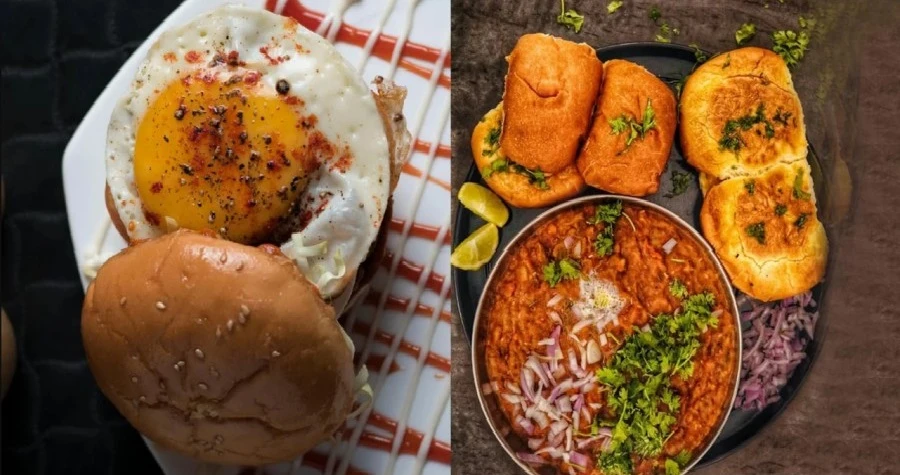
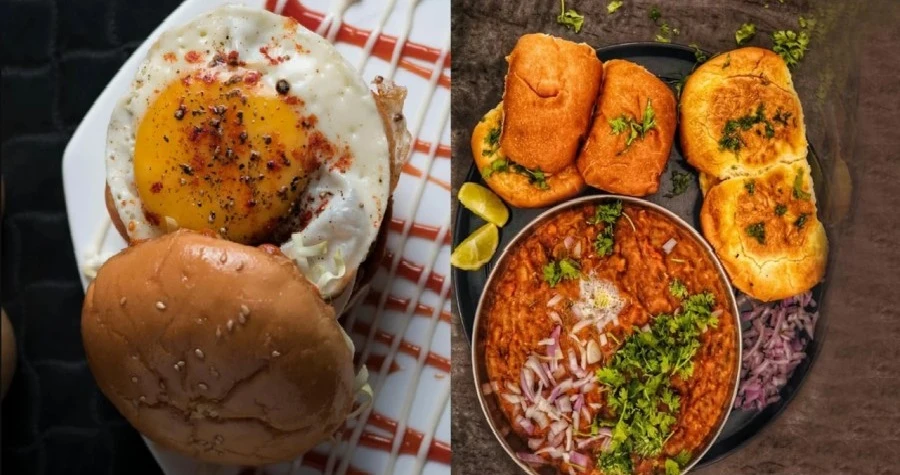
- Pav Bhaji
- Vada Pav
Indian-Style Burgers
- Aloo tikki-based burgers
- Paneer-based variations
Snacks and Sides
- Masala fries with Indian spice blends
- Quick snack items designed for add-on sales
Beverages
- Traditional drinks such as chaas, nimbu pani, and lassi
- Refreshment-focused beverage options
Meal Combos
- Value-based meal combinations targeting students and office-goers
The menu is structured to balance affordability, speed, and familiar taste preferences.
4. How the Franchise Model Works
The franchise operates as a standardized food outlet under a QSR format.
Franchisee Role
- Set up and manage the outlet
- Handle day-to-day operations including staff and service
- Maintain food quality, hygiene, and customer experience
- Execute local marketing and customer engagement
Franchisor Role
- Provide menu structure and standardized recipes
- Offer training on food preparation and operations
- Support branding and outlet setup
- Assist with operational systems and processes
The model focuses on consistency in product quality and operational efficiency.
5. Franchise Cost and Investment Overview
The franchise requires a moderate investment typical of small-format QSR businesses.
Cost Structure
- Total investment: INR 10 Lakhs – 20 Lakhs
- Franchise fee: INR 2 Lakhs
Investment components typically include:
- Outlet setup and interior design
- Kitchen equipment and preparation systems
- Initial inventory and raw materials
- Staffing and operational costs
- Marketing and launch expenses
6. Space and Infrastructure Requirements
The franchise is designed for compact retail spaces.
Requirements
- Area: 250 – 300 sq. ft.
- Location: High footfall areas such as markets, college zones, or commercial streets
- Infrastructure:
- Food preparation counter and kitchen setup
- Service and billing counter
- Basic storage and utility space
- Staffing:
- Small team for kitchen and service operations
The setup supports fast service and efficient space utilization.
7. Training and Franchise Support
Franchise partners receive operational and setup support.
Support Includes
- Training on food preparation and service processes
- Guidance on outlet setup and workflow design
- Marketing and branding assistance
- Ongoing operational support
These systems help franchisees maintain consistency and efficiency.
8. Revenue Model and ROI Factors
Revenue is driven by daily food sales and customer volume.
Key Revenue Drivers
- High-frequency consumption of snack items
- Affordable pricing attracting repeat customers
- Combo meals increasing average order value
- Location-driven footfall
ROI Indicators
- Expected payback period: 1–2 years
Profitability depends on sales volume, cost control, and location performance.
9. Brand History and Expansion
The brand was established in 2024 and entered franchising in 2025. It is in the early stages of expansion, with a limited number of outlets and a focus on growing through franchise partnerships.
Expansion is expected to target urban and emerging markets with demand for quick-service Indian food.
10. Key Advantages of the Franchise
- Focus on Indian street food within a QSR format
- Compact outlet model with moderate investment
- High repeat purchase potential
- Menu aligned with local taste preferences
- Scalable model for multiple locations
- Structured operational processes


What is the investment required for Bun Bhaaji franchise?
The investment typically ranges between INR 10 Lakhs and 20 Lakhs, including setup, equipment, and operational costs, along with a franchise fee of INR 2 Lakhs.
How does the Bun Bhaaji franchise business work?
The franchise operates as a quick service restaurant offering Indian street food. Revenue is generated through direct food sales and repeat customer visits.
What space is required for this franchise?
A space of 250 to 300 sq. ft. is required, ideally in high footfall areas such as markets or near educational institutions.
How long does it take to recover the investment?
The expected payback period is approximately 1–2 years, depending on sales performance and operational efficiency.
How can investors apply for the franchise?
Interested investors can connect with the brand to evaluate investment requirements, location feasibility, and onboarding steps.
