



Mother Sparsh Preschool Franchise
Brand & Franchise Snapshot
| Brand Name | Mother Sparsh Preschool |
|---|---|
| Industry | Education & Childcare |
| Business Category | Preschool / Early Childhood Education |
| Founded Year | 2016 |
| Franchise Started | 2022 |
| Total Franchise Outlets | 1–10 |
| Estimated Investment | INR 2 Lakh – 5 Lakh |
| Franchise Fee | INR 2,00,000 |
| Royalty Fee | 1% |
| Space Requirement | 2000 – 2100 Sq.ft |
| Staff Requirement | Typically 6–12 staff including teachers and support staff |
| Expected Payback Period | 1–2 Years |
Understanding the Brand
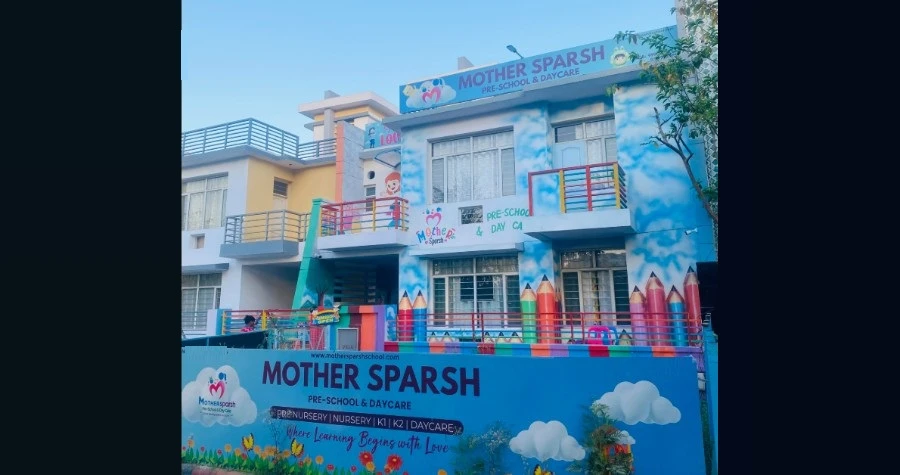
Mother Sparsh Preschool is an early childhood education provider operating in the preschool franchise segment. The brand focuses on structured learning programs for children in the formative age group, combining academic readiness with developmental activities such as social interaction, creativity, and emotional learning.
It serves families seeking organized pre-primary education and childcare solutions within a supervised institutional environment.
2. Operating Concept
The business operates as a preschool center where children are enrolled in age-based programs.
Daily operations include classroom sessions, activity-based learning, supervised play, and developmental assessments. The customer journey begins with parent enrollment, followed by structured classes and regular feedback on child progress. Revenue is generated through admission fees, tuition fees, and additional services such as daycare or activity programs.
3. Products or Service Categories
The preschool typically offers:
| Playgroup Programs | Early socialization and sensory development |
|---|---|
| Nursery Programs | Language and basic cognitive development |
| Kindergarten (LKG/UKG) | Pre-academic learning including reading, writing, and numeracy |
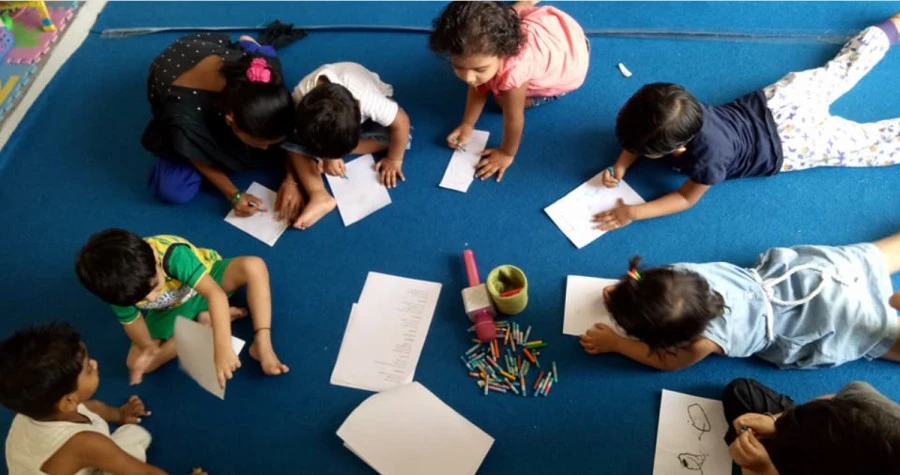
| Activity-Based Learning | Creative arts, storytelling, and group activities |
| Childcare Services | Extended care and supervised environments |
4. Franchise Partnership Structure
| Franchise Role | Operate and manage the preschool center |
|---|---|
| Key Responsibilities | — |
- Student enrollment and parent engagement
- Staff hiring and daily operations
- Maintaining safety and educational standards
- Franchisor Role:
- Curriculum design and updates
- Training and operational frameworks
- Brand positioning and guidelines
The model aligns with education franchises where curriculum and standards are centrally defined, while execution is handled locally.
5. Investment and Startup Costs
| Initial Investment | INR 2–5 Lakh |
|---|---|
| Franchise Fee | INR 2,00,000 |
| Royalty | 1% (low ongoing fee structure) |
| Setup Costs Include | — |
- Classroom interiors and furniture
- Learning materials and play equipment
- Safety infrastructure and branding
The cost structure reflects an education-focused setup with emphasis on infrastructure and learning environment.
6. Outlet Setup Requirements
| Space Requirement | 2000–2100 Sq.ft |
|---|---|
| Location Preference | Residential neighborhoods, school zones, or family-dense areas |
| Infrastructure Needs | — |
- Classrooms and activity zones
- Play area (indoor/outdoor)
- Safety and monitoring systems
- Staffing: Qualified teachers, assistants, and administrative personnel
7. Franchise Support Systems
- Curriculum design and academic framework
- Teacher training in early childhood education methods
- Setup assistance including layout and facility planning
- Marketing support for admissions and brand visibility
- Ongoing operational guidance and performance monitoring
These systems help standardize learning outcomes and operational quality across centers.
8. Revenue Model and Profit Drivers
| Revenue Sources | Admission fees, tuition fees, daycare services |
|---|---|
| Demand Drivers | — |
- Rising awareness of early childhood education
- Dual-income households requiring childcare solutions
- Pricing Model: Fee-based enrollment system
- Cost Factors: Staff salaries, rent, and facility maintenance
The payback period of 1–2 years depends on enrollment levels and capacity utilization.
9. Brand Background and Expansion
- Established in 2016 in the preschool education sector
- Franchising initiated in 2022 to expand into new locations
- Currently operates a limited number of centers
- Expansion strategy focuses on scaling through franchise partnerships in urban and semi-urban markets
10. What Makes This Franchise Different
Unlike basic daycare centers or tuition-based preschools, this model integrates structured curriculum delivery with childcare services and parent engagement systems. The emphasis on individualized learning plans and developmental tracking introduces a more systemized approach compared to informal early education setups.
Advantages of the Franchise
- Growing demand for structured preschool education
- Low royalty burden compared to typical education franchises
- Recurring revenue through fee-based model
- Scalable enrollment-driven business
- Structured curriculum and operational framework
11. Who Should Consider This Franchise
- Entrepreneurs interested in the education sector
- Individuals with access to suitable real estate in residential areas
- Investors seeking recurring income businesses
- Professionals with background in teaching or childcare management
13. Similar Franchise Opportunities
- Kidzee
- EuroKids
- Bachpan Play School
- Little Millennium
- Hello Kids
These brands operate in the preschool and early education segment, offering comparable franchise models focused on structured learning programs and childcare services.
What investment is required for Mother Sparsh Preschool franchise?
The investment typically ranges between INR 2 lakh and 5 lakh. This includes franchise fees, classroom setup, furniture, play equipment, and initial operational expenses. Additional working capital may be needed for staff salaries, rent, and marketing during the early stages of operation.
How does the Mother Sparsh Preschool franchise operate?
The franchise operates as a preschool center offering structured programs for young children. Franchisees manage admissions, staff, and daily operations, while the brand provides curriculum, training, and operational guidelines to ensure consistent educational delivery and student experience.
What space is required to start the franchise?
A space of approximately 2000 to 2100 square feet is required. The facility should accommodate classrooms, play areas, and safety infrastructure. Locations in residential or family-centric areas are preferred to ensure steady enrollment and accessibility for parents.
How long does it take to recover the investment?
The expected payback period is around 1 to 2 years. Recovery depends on enrollment levels, fee structure, and operational efficiency. Higher student capacity utilization generally leads to faster return on investment.
How can investors apply for the franchise?
Investors can apply by contacting the brand’s franchise team. The process includes evaluation of location, investment capability, and operational readiness, followed by agreement signing and setup support before launching the preschool center. ## 13. Similar Franchise Opportunities
