



Shanti Juniors Franchise
Brand & Franchise Snapshot
| Brand Name | Shanti Juniors |
|---|---|
| Industry | Education / Early Childhood Learning |
| Business Category | Preschool Franchise |
| Founded Year | 2009 |
| Franchise Started | 2010 |
| Total Franchise Outlets | 200–500 |
| Estimated Investment | ?10 Lakhs – ?20 Lakhs |
| Franchise Fee | ?3.5 Lakhs |
| Royalty Fee | 20% |
| Space Requirement | 1500 – 2500 sq.ft. |
| Staff Requirement | Teachers, caretakers, and administrative staff (multi-role team) |
| Expected Payback Period | 1–2 years |
Understanding the Brand
Shanti Juniors is a preschool franchise operating in the early childhood education sector, providing structured learning programs for children typically between ages 2 to 6. It functions within the organized preschool franchise category, delivering curriculum-based education combined with care and developmental activities for young learners.
2. Operating Concept
The business operates as a center-based preschool model.
Parents enroll children into age-specific programs. Daily operations include classroom learning sessions, activity-based engagement, and supervised care. The workflow is structured around lesson planning, student interaction, and periodic assessments.
Operational flow includes:
- Student enrollment and onboarding
- Daily teaching sessions and activity management
- Parent communication and progress tracking
- Administrative management using digital systems
Revenue is generated primarily through admission fees, tuition fees, and program-based charges.
3. Products or Service Categories
The preschool offers structured early education services:
Core Programs
- Playgroup and nursery programs
- Junior and senior kindergarten
Learning Framework
- Activity-based curriculum
- Communication and cognitive skill development
- Creativity and behavioral learning modules
Technology Integration
- ERP-based school management systems
- Mobile-based learning reinforcement tools
These offerings combine education and childcare within a structured environment.
4. Franchise Partnership Structure
The franchise follows a standardized education delivery model.
Franchise Partner Role
- Managing daily school operations
- Hiring and supervising teaching and support staff
- Ensuring curriculum implementation and safety standards
- Handling local admissions and parent engagement
Franchisor Role
- Providing curriculum and teaching methodologies
- Offering branding and operational systems
- Supporting setup and initial launch
- Providing tools for administration and communication
Franchisees operate the preschool independently while adhering to defined academic and operational frameworks.
5. Investment and Startup Costs
The financial requirement falls within a moderate range for education franchises.
Investment Overview
- ?10–20 lakhs total setup investment
- ?3.5 lakhs franchise fee for brand licensing
Cost Components
- Classroom setup and interiors
- Learning materials and equipment
- Licensing and compliance
- Initial marketing and staff recruitment
A royalty of 20% is applied, typically representing ongoing support, curriculum access, and brand usage.
6. Outlet Setup Requirements
The preschool requires a dedicated educational environment.
Space Requirements
- 1500 to 2500 sq.ft.
Location Preferences
- Residential neighborhoods
- Areas with family population density
Infrastructure Needs
- Classrooms and activity areas
- Child-safe interiors and play zones
- Administrative office space
Staffing
- Qualified teachers
- Caretakers and support staff
- Administrative personnel
The setup must comply with safety and child-friendly design standards.
7. Franchise Support Systems
The brand provides structured support to maintain consistency in education delivery.
Support typically includes:
- Teacher training and curriculum guidance
- Assistance in preschool setup and launch
- Marketing and admission support
- Digital tools for school management
- Ongoing operational guidance
These systems help franchisees manage both academic and administrative functions effectively.
8. Revenue Model and Profit Drivers
Revenue is primarily fee-based.
Key Revenue Sources
- Admission fees
- Monthly or term-based tuition fees
- Activity or program fees
Demand Drivers
- Growing awareness of early childhood education
- Increasing number of working parents
- Preference for structured preschool programs
Cost Considerations
- Staff salaries
- Facility rent and maintenance
- Learning materials
The payback period is typically achieved within 1–2 years depending on enrollment levels and operational efficiency.
9. Brand Background and Expansion
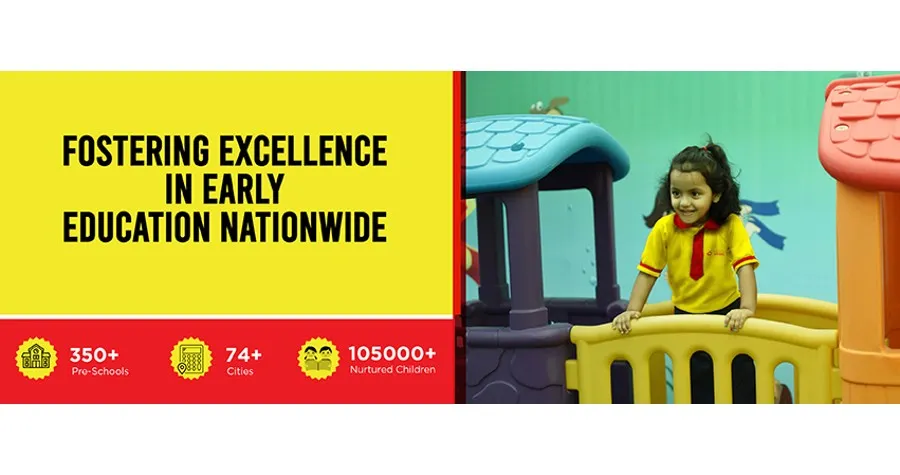
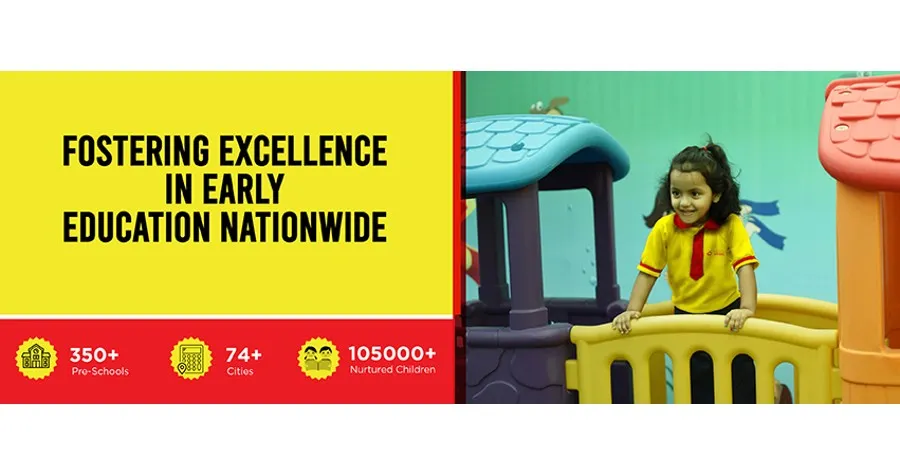
The brand was established in 2009 and expanded into franchising the following year. Over time, it has built a network of several hundred franchise centers across multiple cities.
Expansion has focused on tapping into urban and semi-urban markets where demand for organized preschool education continues to grow.
10. What Makes This Franchise Different
The model combines structured curriculum delivery with integrated digital systems, including ERP-based management and mobile learning reinforcement. This creates a hybrid operational approach where academic delivery, parent communication, and administrative processes are system-driven rather than purely manual, improving consistency across locations.
Advantages of the Franchise
- Strong and growing demand for preschool education
- Scalable center-based model across cities
- Recurring revenue through fee-based structure
- Structured curriculum and operational systems
- Technology integration supporting daily operations
- Established network indicating market acceptance
11. Who Should Consider This Franchise
This opportunity is suitable for:
- Individuals interested in the education sector
- First-time entrepreneurs seeking a structured business model
- Women entrepreneurs exploring education ventures
- Investors targeting service-based businesses
- Professionals with management or teaching backgrounds
13. Similar Franchise Opportunities
Entrepreneurs evaluating preschool franchise opportunities may also consider:
- Kidzee
- EuroKids
- Bachpan Play School
- Hello Kids
- Little Millennium
These brands operate in the same early education segment and provide comparable franchise models for evaluation.
Accepting franchise applications in 35 states & UTs


What investment is required for Shanti Juniors franchise?
The investment required generally ranges between ?10 lakhs and ?20 lakhs. This includes infrastructure setup, classroom equipment, licensing, and initial operational expenses. The franchise fee is ?3.5 lakhs, which provides access to branding, curriculum, and operational systems.
How does the Shanti Juniors franchise operate?
The franchise operates as a preschool center delivering structured early education programs. Franchisees manage daily school activities, admissions, and staff, while following curriculum and systems provided by the franchisor. Revenue is generated through student enrollment and recurring tuition fees.
What space is required to start the franchise?
A space of approximately 1500 to 2500 square feet is required to establish a preschool center. The facility should include classrooms, play areas, and administrative space, preferably located in residential neighborhoods with a strong presence of families.
How long does it take to recover the investment?
The expected payback period is typically between 1 to 2 years. This depends on enrollment levels, fee structure, operating costs, and location performance. Consistent admissions and efficient management play a key role in achieving faster returns.
How can investors apply for the franchise?
Investors can apply by contacting the brand’s franchise development team and submitting their details. The process generally involves location evaluation, agreement formalities, setup planning, and training before the preschool becomes operational. ## 13. Similar Franchise Opportunities
