



Nexus Solar Energy Franchise
Brand & Franchise Snapshot
| Brand Name | Nexus Solar Energy |
|---|---|
| Industry | Renewable Energy / Clean Technology |
| Business Category | Solar Energy Solutions |
| Founded Year | 2016 |
| Franchise Started | Operates through dealer and partner network expansion |
| Total Franchise Outlets | 500–1000 |
| Estimated Investment | INR 5 – 10 Lakhs |
| Franchise Fee | Typically covers brand onboarding, product access, and dealership rights |
| Royalty Fee | In energy distribution models, recurring fees may relate to product sourcing, branding, or system usage |
| Space Requirement | 100 – 200 sq. ft. |
| Staff Requirement | Small team including sales and installation coordination staff |
| Expected Payback Period | Less than 1 year |
1. What is Nexus Solar Energy?
Nexus Solar Energy is a renewable energy company operating in the solar solutions sector, offering products such as solar panels, energy storage systems, inverters, and related technologies. The business serves residential users, commercial establishments, and industrial clients seeking alternative energy sources.
It belongs to the solar energy dealership and distribution franchise category, where partners sell and deploy renewable energy systems within local markets.
2. How the Business Works
The model functions as a sales and service network for solar products. Customers approach the outlet or partner for energy solutions based on their usage requirements.
Operational workflow typically includes:
- Customer consultation and energy requirement assessment
- Recommendation of suitable solar systems
- Order processing and product supply
- Installation coordination and after-sales support
Revenue is generated through product sales, installation services, and system upgrades. Larger projects may involve higher-value contracts with longer decision cycles.
3. Products or Service Categories
Franchise partners deal with a range of solar and energy-related products:
- Solar Panels
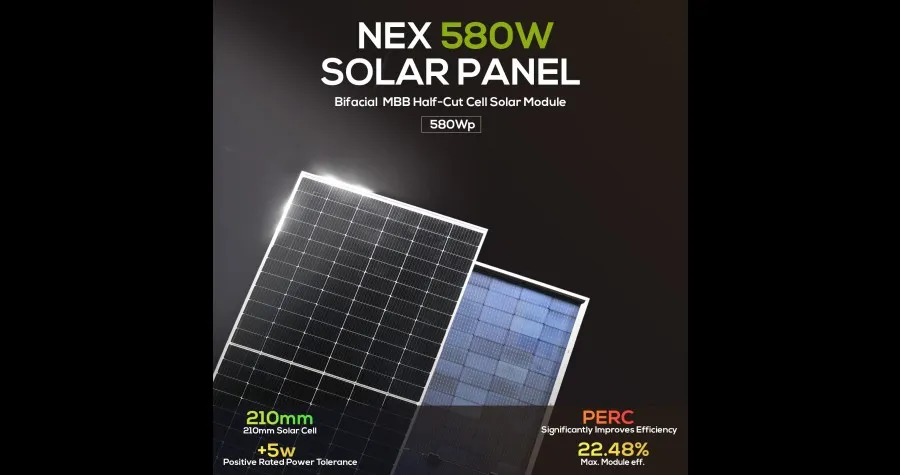
High-efficiency panels for residential and commercial installations
- Energy Storage Systems
Lithium-based batteries for backup and energy management
- Solar Inverters
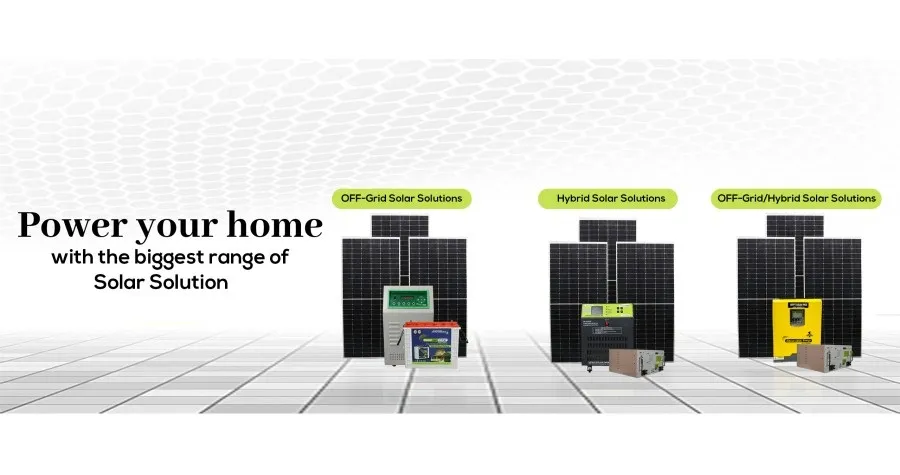
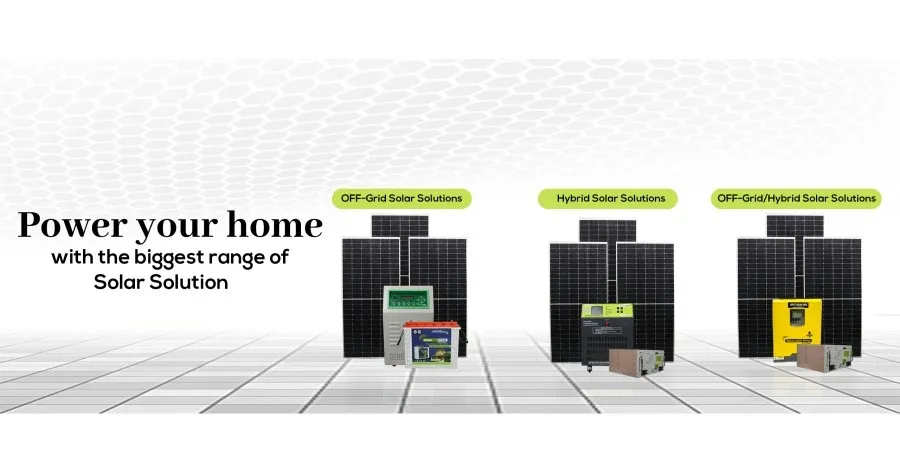
Off-grid and hybrid systems for converting and managing power
- Solar-Powered Appliances
Products such as solar air conditioning systems
- Electric Mobility Solutions
Electric vehicles and related energy infrastructure
These offerings allow partners to address multiple energy needs within a single business model.
4. Franchise Structure and Operating Model
The franchise operates as a dealership or distribution partnership.
Key aspects include:
- Franchise partner manages local sales, customer acquisition, and basic service coordination
- The brand supplies products, technical specifications, and system frameworks
- Installation and technical execution may be supported by trained teams or coordinated centrally
- Franchisees focus on building local demand and closing sales
This structure combines product distribution with service facilitation.
5. Franchise Cost and Investment
The investment required falls within a moderate range, primarily for establishing a sales and distribution setup.
Cost components include:
- Initial franchise or dealership onboarding fee
- Office setup and branding
- Inventory or product display units
- Marketing and lead generation expenses
- Working capital for order processing
Royalty or margin structures in such businesses typically relate to product pricing and distribution margins rather than traditional percentage-based royalties.
6. Space and Setup Requirements
The business can operate from a compact commercial space.
| Space | 100 – 200 sq. ft. |
|---|---|
| Location | Commercial areas, hardware markets, or areas with high construction or residential activity |
| Infrastructure | Office space for customer interaction and product display |
| Equipment | Basic office setup and demonstration units |
| Staffing | Sales personnel and coordination staff for installations |
The setup is focused more on sales and consultation rather than manufacturing.
7. Training and Franchise Support
Franchise partners receive support in both technical and business areas:
- Product training and technical knowledge transfer
- Guidance on installation processes and system configuration
- Marketing support for customer acquisition
- Assistance in handling large or complex projects
- Ongoing advisory for sales and operations
These systems help franchisees manage both technical and commercial aspects of the business.
8. Revenue Model and ROI Factors
Revenue is primarily driven by product sales and installation services.
Key revenue drivers include:
- Demand for solar installations in residential and commercial sectors
- Government incentives and increasing adoption of renewable energy
- Repeat business through upgrades and maintenance services
- Higher-value projects for industrial clients
The short payback period reflects the potential for higher-ticket sales, though revenue depends on the ability to secure consistent projects.
9. Brand Background and Expansion
Nexus Solar Energy was established in 2016 and has expanded through a large network of distribution and franchise partners. The presence of hundreds of outlets indicates a broad geographic reach.
Expansion focuses on increasing accessibility of solar solutions across urban and semi-urban markets, aligning with growing demand for renewable energy.
10. What Makes This Franchise Different
Unlike typical retail franchises, this model operates in a project-based sales environment where individual transactions can be significantly higher in value. The combination of product sales, technical consultation, and installation services creates a hybrid business model that blends retail distribution with energy solutions consulting.
11. Key Advantages of the Franchise
- Increasing demand for renewable and solar energy solutions
- High-value transactions compared to traditional retail
- Low space requirement with scalable operations
- Opportunity to serve residential, commercial, and industrial clients
- Recurring revenue potential through maintenance and upgrades
- Support for technical and product-related operations
12. Who Should Consider This Franchise
This opportunity may suit:
- Entrepreneurs interested in renewable energy and sustainability sectors
- Individuals with sales or technical backgrounds
- Small investors seeking service-plus-product business models
- Existing electrical or hardware business owners expanding offerings
- Operators targeting infrastructure and energy markets
14. Similar Franchise Opportunities
Investors exploring solar and renewable energy franchises may also consider:
- Tata Power Solar
- Luminous Power Technologies
- Waaree Energies
- Adani Solar
- Vikram Solar
These companies operate in the renewable energy sector, offering comparable opportunities in solar product distribution, installation, and energy solutions.
What is the investment required for Nexus Solar Energy franchise?
The investment typically ranges between INR 5 lakh and INR 10 lakh. This includes setup costs, branding, initial inventory or display units, and working capital. The exact requirement may vary depending on scale and local market conditions.
How does the Nexus Solar Energy franchise business operate?
The business operates as a sales and service outlet for solar products. Franchise partners identify customer needs, recommend suitable systems, and coordinate installation. Revenue comes from product sales and related services.
What space is required for the franchise?
A compact space of around 100 to 200 square feet is generally sufficient. The setup is mainly used for customer interaction and product display rather than storage or manufacturing.
How long does it take to recover the investment?
The expected payback period is less than one year. However, actual recovery depends on the number and size of projects secured, as well as local demand for solar installations.
How can investors apply for the franchise?
Investors can connect with the brand’s partnership or dealership team. The process usually involves application submission, evaluation, agreement signing, and setup of operations with training and support. ## 14. Similar Franchise Opportunities
