


Nirvana Franchise
Brand & Franchise Snapshot
| Brand Name | Nirvana |
|---|---|
| Industry | Retail / Fashion & Lifestyle |
| Business Category | Men’s Fashion Accessories & Artistic Lifestyle Products |
| Founded Year | 2000 |
| Franchise Started | 2018 |
| Total Franchise Outlets | 1–10 |
| Estimated Investment | INR 5 Crore – 10 Crore |
| Franchise Fee | INR 5,00,000 |
| Royalty Fee | 20% |
| Space Requirement | Typically premium retail space in malls or high-end shopping areas |
| Staff Requirement | Multi-role retail team including sales associates and store management |
| Expected Payback Period | 4–5 Months |
Understanding the Brand
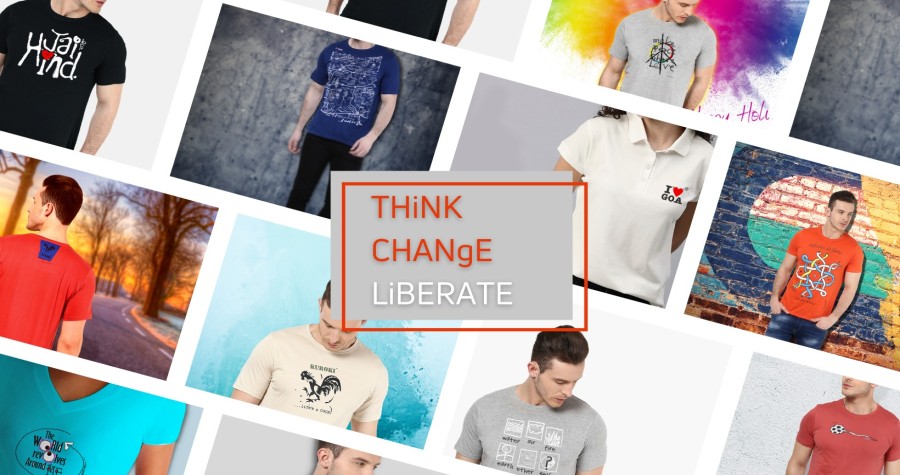
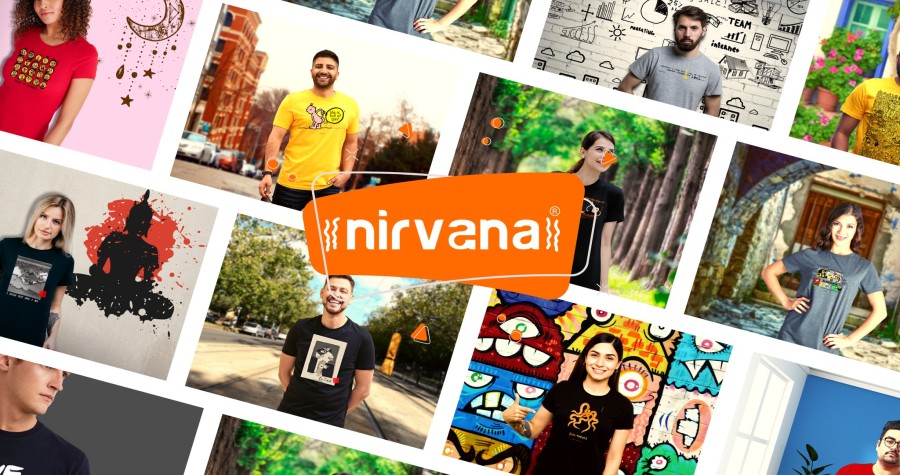
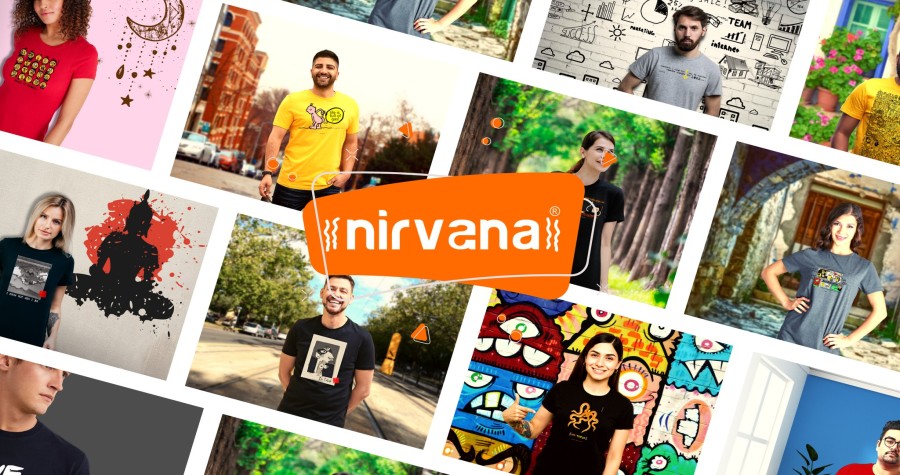
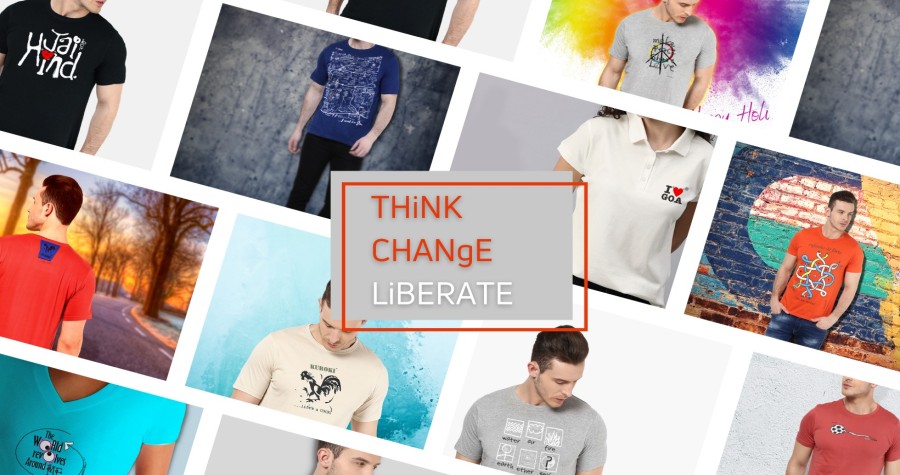
Nirvana operates as a niche retail brand in the fashion and lifestyle segment, focusing on artist-driven products such as apparel, accessories, and gift items. The business serves customers interested in distinctive designs and curated merchandise rather than mass-produced fashion.
It falls within the broader category of premium lifestyle retail franchises, where product design, brand identity, and in-store experience play a central role.
2. Operating Concept
The business follows a specialty retail store model.
Customers visit the outlet to explore a curated range of products across categories such as apparel, accessories, and novelty items. The in-store experience is centered around product discovery, design appeal, and visual merchandising.
Operational workflow includes:
- Displaying curated inventory across categories
- Assisting customers with product selection
- Managing inventory and replenishment
- Processing sales transactions
Revenue is generated through direct retail sales with margins on lifestyle products.
3. Products or Service Categories
The product portfolio spans multiple lifestyle and fashion segments.
Apparel
- Men’s, women’s, and kids’ t-shirts
- Casual wear items
Accessories
- Bags, wallets, stoles, and footwear
- Flip-flops and shoes
Lifestyle & Gift Items
- Fridge magnets, coasters, novelty products
- Books and stationery
The assortment is design-focused, targeting customers looking for differentiated products.
4. Franchise Partnership Structure
The franchise model follows a standard retail partnership framework.
- The franchise partner operates a physical store under the brand identity
- The franchisor provides product supply, branding guidelines, and operational standards
- The franchisee manages store operations, staff, and customer engagement
Consistency is maintained through centralized design, product sourcing, and brand presentation.
5. Investment and Startup Costs
The financial requirement reflects a premium retail positioning.
- Initial investment includes store setup, interior design, and inventory procurement
- A one-time franchise fee grants brand usage rights
- Royalty is charged as a percentage of revenue, contributing to brand support and operations
Additional expenses may include rental costs in high-end locations and staff salaries.
6. Outlet Setup Requirements
The business requires a well-designed retail environment.
| Space | Suitable for premium retail stores in malls or high-street locations |
|---|---|
| Location | Affluent areas with lifestyle-oriented consumer traffic |
| Infrastructure | Display fixtures, lighting, and visual merchandising setups |
| Staffing | Trained personnel for customer interaction and sales |
Store ambiance plays a significant role in customer engagement.
7. Franchise Support Systems
Support systems are structured to maintain brand consistency across outlets.
- Training on product knowledge and retail operations
- Guidelines for store design and visual merchandising
- Marketing support for brand promotion
- Inventory supply and product updates
- Ongoing operational assistance
These systems help franchisees align with the brand’s retail standards.
8. Revenue Model and Profit Drivers
Revenue is generated through direct product sales within the retail outlet.
Key drivers include:
- Product differentiation and design appeal
- Footfall in premium retail locations
- Repeat purchases from niche customer segments
- Effective in-store merchandising
The expected payback period reflects strong margins and pricing aligned with premium positioning.
9. Brand Background and Expansion
Established in 2000, the brand has developed over nearly two decades before initiating franchising in 2018. The current network remains limited, indicating controlled expansion focused on maintaining brand positioning.
Growth is expected through selective placement in high-value retail markets.
10. What Makes This Franchise Different
Unlike conventional fashion retailers that rely on large-scale standardized production, this model emphasizes design-driven, curated products across multiple categories. The integration of apparel, accessories, and artistic merchandise within a single retail format creates a hybrid between fashion retail and lifestyle gifting.
Advantages of the Franchise
- Demand for unique and design-focused lifestyle products
- Multi-category retail offering within one store
- Potential for repeat customers driven by product variety
- Structured supply and branding support
- Expansion potential in premium retail environments
11. Who Should Consider This Franchise
This opportunity may suit:
- Entrepreneurs with experience in fashion or lifestyle retail
- Investors targeting premium retail segments
- Business owners operating in malls or high-end locations
- Individuals interested in curated product retail
13. Similar Franchise Opportunities
Investors exploring lifestyle and fashion retail franchises may also consider:
- Fabindia
- W for Woman
- Biba
- The Souled Store
- Allen Solly
These brands operate in fashion and lifestyle retail, offering comparable franchise or retail expansion opportunities for investors.
Accepting franchise applications in 20 states & UTs
What investment is required for Nirvana franchise?
The investment typically ranges from INR 5 crore to 10 crore, covering store setup, inventory, and operational costs. The higher investment reflects the premium retail positioning and the need for high-quality store design and location selection.
How does the Nirvana franchise operate?
The franchise operates as a retail store offering curated lifestyle and fashion products. The franchisee manages daily operations, sales, and staffing, while the brand provides product supply, design direction, and operational guidelines.
What space is required to start the franchise?
A retail space in premium locations such as shopping malls or high-end commercial areas is typically required. The store must accommodate product display, customer movement, and visual merchandising aligned with brand standards.
How long does it take to recover the investment?
The expected payback period is estimated at 4 to 5 months, depending on sales performance, location footfall, and operational efficiency. High-margin products and strong customer interest can influence faster recovery.
How can investors apply for the franchise?
Interested investors can apply by contacting the brand through official communication channels. The process generally includes evaluation of investment capacity, location suitability, and alignment with the brand’s retail positioning before onboarding. ## 13. Similar Franchise Opportunities
