

My-Bolt Bike Franchise
1. Brand & Franchise Snapshot
| Brand Name | My-Bolt Bike |
|---|---|
| Industry | Fitness Equipment / Healthcare Products |
| Business Category | Healthcare Products |
| Founded Year | 2024 |
| Franchise Started | Not clearly defined; expansion model implied |
| Total Franchise Outlets | 1–10 |
| Estimated Investment | INR 5 Lakh – 10 Lakh |
| Franchise Fee | Not specified; typically covers brand rights, onboarding, and initial support |
| Royalty Fee | Not specified; usually represents ongoing payments for brand usage and support services |
| Space Requirement | 50 – 100 sq. ft. |
| Staff Requirement | Minimal; sales-focused staff or owner-operated model |
| Expected Payback Period | 1–2 Years |
Understanding the Brand
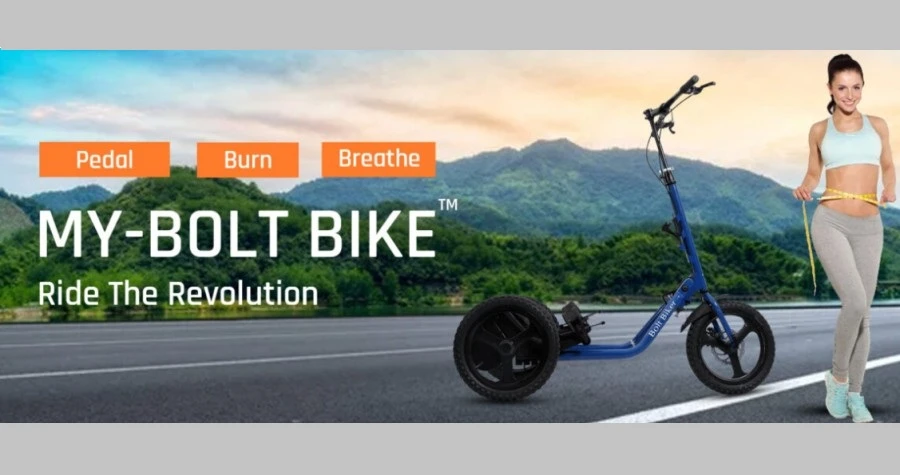
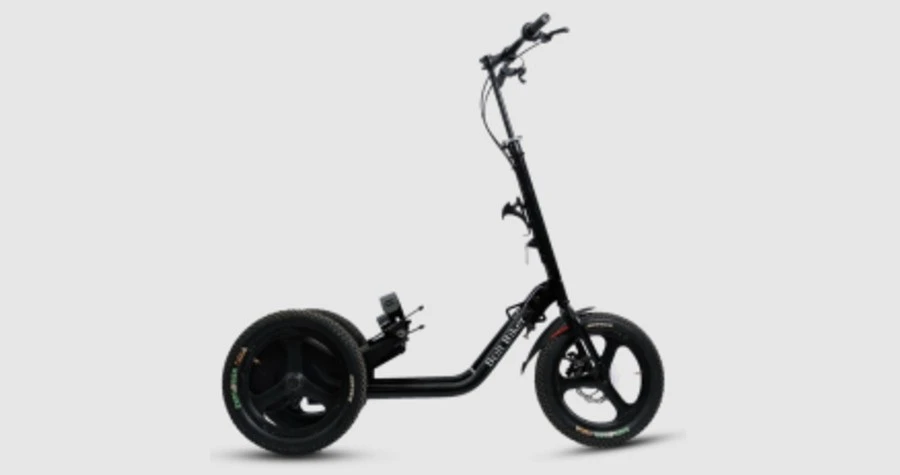
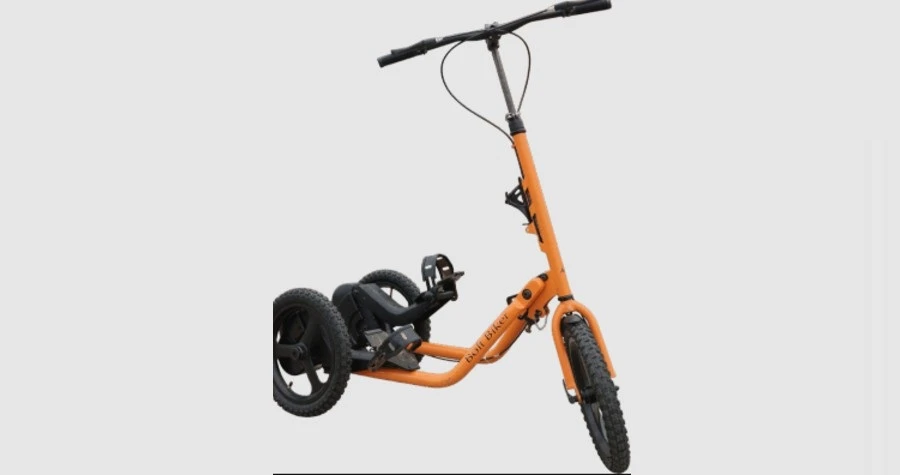
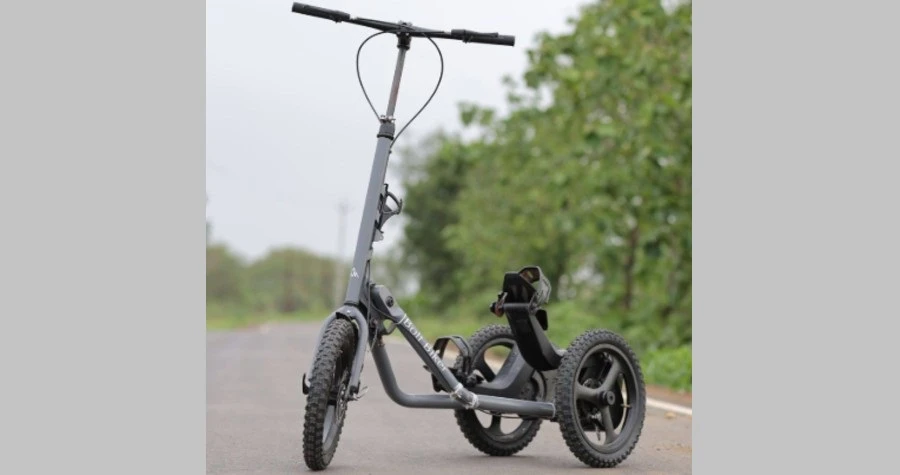
My-Bolt Bike is a fitness equipment brand operating in the healthcare and wellness segment, focused on manufacturing and distributing outdoor exercise bicycles designed for full-body workouts. The business targets fitness-conscious individuals, outdoor enthusiasts, and institutions seeking alternative fitness solutions beyond traditional gym equipment.
2. Operating Concept
The business functions as a product-based retail and distribution model centered around specialized fitness equipment.
Customers typically engage with the brand through:
- Retail outlets or franchise points displaying the product
- Demonstrations or trial experiences of the equipment
- Direct purchase or institutional sales (e.g., parks, fitness centers)
Operational workflow includes:
- Product display and customer education
- Demonstration of features and benefits
- Order processing and delivery coordination
- After-sales support and servicing
Revenue is generated through direct product sales, bulk institutional orders, and potential accessory sales.
3. Products or Service Categories
Franchise outlets primarily deal with:
| Outdoor Exercise Bicycles | Hybrid fitness equipment combining cycling with upper-body engagement |
|---|---|
| Adjustable Resistance Fitness Equipment | Products allowing customizable workout intensity |
| Portable Fitness Solutions | Equipment designed for ease of storage and transport |
| Future Accessories and Add-ons | Complementary fitness products as the range expands |
4. Franchise Partnership Structure
The franchise model enables partners to operate as local distributors or retailers of My-Bolt Bike products.
Franchise partner responsibilities include:
- Promoting and selling the product within a defined territory
- Managing customer interactions, demonstrations, and conversions
- Handling local marketing and lead generation
- Coordinating delivery and basic customer support
The franchisor typically supports branding, product supply, and operational guidelines to maintain consistency across locations.
5. Investment and Startup Costs
The investment falls within a moderate range for a product-based franchise.
Key cost components include:
- Initial onboarding or franchise fee (for brand usage and training)
- Inventory purchase (fitness equipment units for display and sale)
- Small retail or display setup
- Local marketing and promotional activities
Recurring costs may include restocking inventory and potential royalty or service fees tied to brand support.
6. Outlet Setup Requirements
| Space Requirement | Compact area of 50 – 100 sq. ft., primarily for display and demonstrations |
|---|---|
| Location Preference | High footfall areas such as fitness zones, commercial markets, or near parks and recreational spaces |
| Equipment Needs | Display units, demonstration setup, and basic sales infrastructure |
| Staffing | Can be owner-operated or run with minimal staff focused on sales |
7. Franchise Support Systems
Support typically includes:
- Product training covering features, usage, and demonstration techniques
- Guidance on setting up display and customer experience zones
- Marketing assistance for local promotions and awareness campaigns
- Supply chain support ensuring availability of products
- Ongoing advisory for sales optimization and customer handling
These systems help franchisees operate efficiently even with limited prior experience in the fitness industry.
8. Revenue Model and Profit Drivers
Revenue is primarily generated through:
- Direct sales of fitness equipment
- Bulk orders from institutions such as gyms, parks, or wellness centers
- Upselling accessories or complementary products
Demand drivers include rising awareness of outdoor fitness, preference for home-based exercise solutions, and increasing interest in alternative workout formats.
Profitability depends on product pricing, sales volume, and local market adoption. The expected payback period is estimated within 1–2 years based on steady sales.
9. Brand Background and Expansion
- The brand was established in 2024 as a fitness equipment innovation initiative
- It focuses on introducing outdoor-oriented fitness solutions in the Indian market
- Franchise expansion is in early stages, with a limited number of outlets
- Growth strategy appears centered on distribution expansion and institutional partnerships
10. What Makes This Franchise Different
Unlike conventional gym equipment businesses that focus on indoor machines, this concept positions itself around outdoor fitness equipment that combines mobility with exercise functionality. The product integrates cycling mechanics with full-body engagement, creating a differentiated offering within the fitness equipment segment.
Advantages of the Franchise
- Entry into the growing fitness and wellness market
- Product differentiation through outdoor fitness positioning
- Compact space requirement and low operational overhead
- Potential for institutional sales and bulk orders
- Scalable distribution model with expanding product possibilities
11. Who Should Consider This Franchise
This opportunity may be suitable for:
- Entrepreneurs interested in the fitness and wellness industry
- Retail investors looking for product-based businesses
- Individuals with experience in sports equipment or fitness sales
- First-time business owners seeking moderate investment opportunities
- Distributors targeting institutional clients like gyms or public spaces
13. Similar Franchise Opportunities
Investors exploring fitness equipment and wellness franchises may also evaluate:
- Decathlon
- Cult.fit
- PowerMax Fitness
- Fitternity
- Gold’s Gym
These brands operate in adjacent fitness, equipment, or wellness segments and provide alternative business models for comparison.
Accepting franchise applications in 36 states & UTs
What investment is required for My-Bolt Bike franchise?
The investment typically ranges from INR 5 lakh to 10 lakh, covering inventory, setup, and onboarding costs. Since the business focuses on product sales rather than heavy infrastructure, the capital requirement remains moderate compared to full-scale fitness centers or gyms.
How does the My-Bolt Bike franchise operate?
The franchise operates as a retail and distribution unit where partners display, demonstrate, and sell fitness equipment. Revenue is generated through direct product sales and institutional orders, with the franchisor supporting product supply and branding.
What space is required to start the franchise?
A compact space between 50 and 100 square feet is generally sufficient. The focus is on displaying the product and enabling demonstrations rather than operating a full-scale retail store or fitness facility.
How long does it take to recover the investment?
The expected payback period is around 1 to 2 years, depending on sales performance, local demand, and the ability to secure bulk or institutional orders alongside individual customer sales.
How can investors apply for the franchise?
Interested investors can initiate the process by contacting the brand, completing registration and onboarding steps, and setting up a local sales unit. The process typically includes product training, setup guidance, and initial inventory procurement. ## 13. Similar Franchise Opportunities
