



Gold’S Gym Franchise
Franchise Quick Facts
| Brand Name | Gold’s Gym |
|---|---|
| Industry / Business Category | Gym & Fitness |
| Founded Year (India) | 2002 |
| Franchise Started Year (India) | 2002 |
| Total Franchise Outlets | 100–200 |
| Estimated Investment | INR 2 Cr – 5 Cr |
| Franchise Fee | INR 32,00,000 |
| Royalty Fee | 20% |
| Space Requirement | 2000 – 7000 Sq.ft |
| Staff Requirement | Trainers, front desk staff, operations and maintenance team |
| Expected Payback Period | 1–3 Years |
1. What is Gold’s Gym?
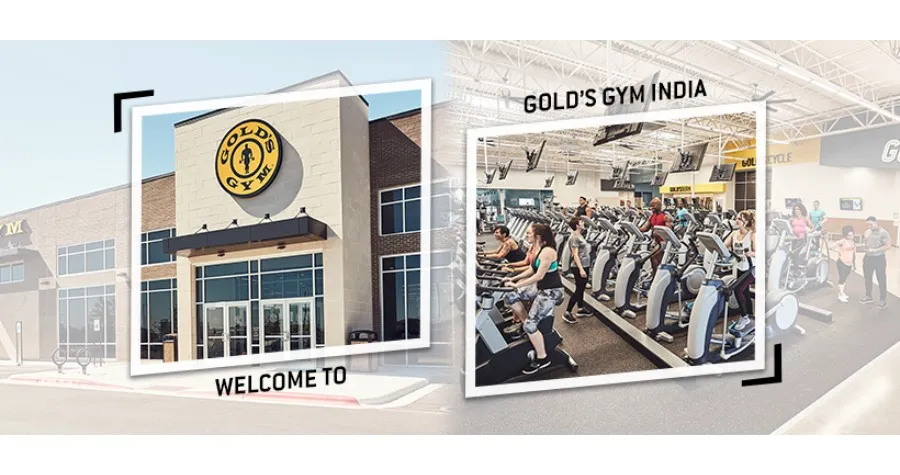
Gold’s Gym is a fitness center franchise operating in the health and wellness industry, offering gym memberships, personal training, and fitness programs to individuals seeking structured exercise and lifestyle improvement. It belongs to the organized gym franchise segment, targeting urban consumers, fitness enthusiasts, and individuals pursuing preventive healthcare.
2. How the Business Works
The business operates through large-format fitness centers where customers enroll as members and access gym facilities. The customer journey typically begins with membership registration, followed by guided onboarding, training sessions, and ongoing fitness engagement.
Daily operations include managing gym equipment, scheduling trainers, conducting classes, and handling member services. Revenue is generated through membership subscriptions, personal training packages, group classes, and ancillary services such as merchandise or nutrition products.
3. Products or Services Offered
| Gym Membership Plans | Monthly, quarterly, and annual subscriptions |
|---|---|
| Personal Training | One-on-one coaching sessions with certified trainers |
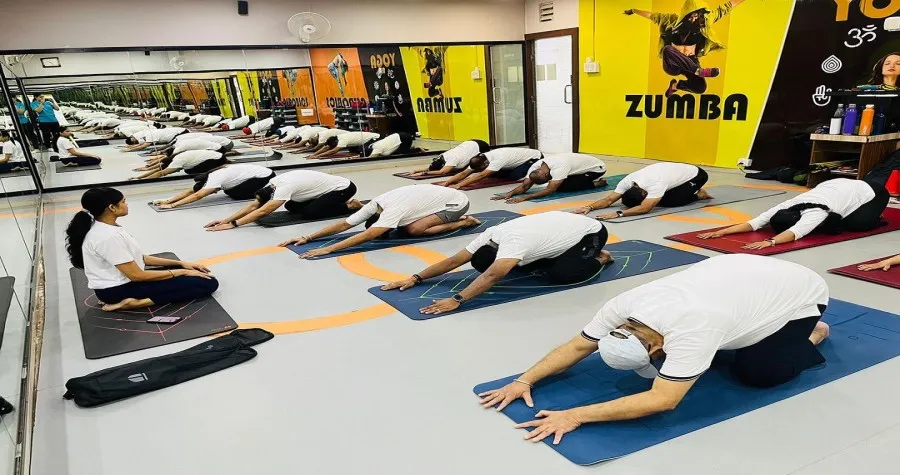
| Group Fitness Classes | Yoga, cardio sessions, strength training, and specialized programs |
| Fitness Assessments | Body composition analysis and progress tracking |
| Retail Products | Fitness apparel, supplements, and accessories |
| Specialized Programs | Weight management, strength building, and wellness programs |
4. How the Franchise Model Works
| Role of Franchise Partner | Establish and operate a fitness center under the brand name |
|---|---|
| Responsibilities | Facility management, staff hiring, membership sales, and local marketing |
| Franchisor Support | Brand systems, gym layout planning, vendor access, and operational guidelines |
| Operational Model | Franchisees run day-to-day operations while aligning with brand standards for service delivery and customer experience |
This model combines brand-led systems with local execution.
5. Franchise Cost and Investment Overview
| Estimated Investment | INR 2 Cr – 5 Cr |
|---|---|
| Franchise Fee | INR 32,00,000 |
| Royalty Fee | 20% of revenue |
| Setup Costs Include | — |
- Gym equipment and machines
- Interior design and flooring
- Locker rooms and utilities
- Branding and signage
- Initial marketing and launch expenses
Fitness franchises typically require higher capital due to equipment and space requirements.
6. Space and Infrastructure Requirements
| Space Requirement | 2000 to 7000 Sq.ft |
|---|---|
| Preferred Locations | Urban commercial zones, malls, or high-density residential areas |
| Infrastructure Needs | — |
- Strength and cardio equipment zones
- Studio space for group classes
- Changing rooms and lockers
- Reception and consultation area
- Staffing: Certified trainers, customer service staff, and maintenance personnel
7. Training and Franchise Support
| Operational Training | Gym management, member handling, and service delivery |
|---|---|
| Staff Training | Fitness instruction standards and customer interaction |
| Setup Assistance | Layout planning and equipment selection |
| Marketing Support | Campaigns, promotional strategies, and digital engagement tools |
| Vendor Network Access | Procurement of equipment and operational supplies |
| Ongoing Support | Performance monitoring and business optimization |
8. Revenue Model and ROI Factors
| Primary Revenue Streams | Membership fees and personal training services |
|---|---|
| Secondary Income | Group classes, merchandise, and fitness programs |
| Pricing Structure | Tiered membership and service-based pricing |
| Demand Drivers | Rising health awareness, urban lifestyle changes, and preventive fitness trends |
| Repeat Revenue Potential | High due to recurring memberships and renewals |
| Expected Payback Period | 1–3 years depending on location, pricing strategy, and member acquisition |
9. Brand History and Expansion
| Global Origin | Established in 1965 in the United States |
|---|---|
| India Entry | 2002 |
| Network Scale | Over 100–200 outlets across multiple cities |
| Expansion Model | Franchise-led growth in urban and semi-urban markets |
| Market Position | Recognized fitness brand with established presence in organized gym sector |
10. Key Advantages of the Franchise
- Strong demand for organized fitness services
- Recurring revenue through membership model
- Structured operational framework and brand systems
- Multiple revenue streams beyond memberships
- Scalability across urban markets
11. Who Should Consider This Franchise
- Entrepreneurs with interest in fitness and wellness industry
- Investors capable of managing high-capital retail formats
- Existing gym operators looking to upgrade to a branded model
- Business owners targeting urban lifestyle segments
- Operators comfortable managing staff-intensive service businesses
Similar Franchise Opportunities
- Anytime Fitness
- Talwalkars Gym
- Cult Fit
- Snap Fitness
- Fitness First

What is the investment required for Gold’s Gym franchise?
The investment typically ranges from INR 2 crore to 5 crore. This includes franchise fees, gym equipment, interior setup, staffing, and initial marketing expenses required to launch and operate a full-scale fitness center.
How does the Gold’s Gym franchise business work?
The business operates on a membership-based model where customers pay to access gym facilities and services. Additional revenue comes from personal training, fitness programs, and retail sales within the facility.
What space is required for the franchise?
A large commercial space between 2000 and 7000 square feet is required. The facility must accommodate equipment zones, training areas, locker rooms, and customer service spaces.
How long does it take to recover the investment?
The expected payback period ranges from 1 to 3 years. Returns depend on membership growth, pricing strategy, and operational efficiency in attracting and retaining customers.
How can investors apply for the franchise?
Investors can apply by submitting an enquiry through the brand’s franchise network. The process typically involves evaluation, agreement signing, location finalization, and setup with guidance from the franchisor. ## Similar Franchise Opportunities
