Gatti Franchise
Franchise Quick Facts
| Brand Name |
Gatti |
| Industry / Business Category |
Electric Vehicles / Sustainable Mobility |
| Founded Year |
2014 |
| Franchise Started Year |
Not specified |
| Total Franchise Outlets |
20–50 |
| Estimated Investment |
INR 2 Lakh – 5 Lakh |
| Franchise Fee |
Not specified; typically includes brand licensing and setup guidance |
| Royalty Fee |
Not specified; common in EV franchises is revenue-based or fixed monthly fee |
| Space Requirement |
1000–1100 Sq.ft |
| Staff Requirement |
Dependent on outlet size; usually 3–5 staff for showroom and operations |
| Expected Payback Period |
1–2 years |
1. What is Gatti?
Gatti is a manufacturer and distributor of electric vehicles, specializing in eco-friendly E-Rickshaws and E-Carts for urban transportation and commercial applications. The brand operates in the sustainable mobility sector, serving drivers, fleet operators, and businesses seeking cost-effective, zero-emission vehicles. It falls within the broader electric vehicle franchise category.
2. How the Business Works
| Customer Interaction |
Individuals or fleet operators purchase or lease vehicles through Gatti franchise outlets. |
| Service Delivery |
Outlets provide EV sales, test drives, vehicle customization, and after-sales services. |
| Operational Workflow |
Vehicle procurement ? showroom display ? customer consultation ? delivery ? service support and maintenance. |
| Revenue Generation |
Revenue is earned from vehicle sales, accessories, maintenance packages, and optional service contracts. |
3. Products or Services Offered
| Passenger Transport EVs |
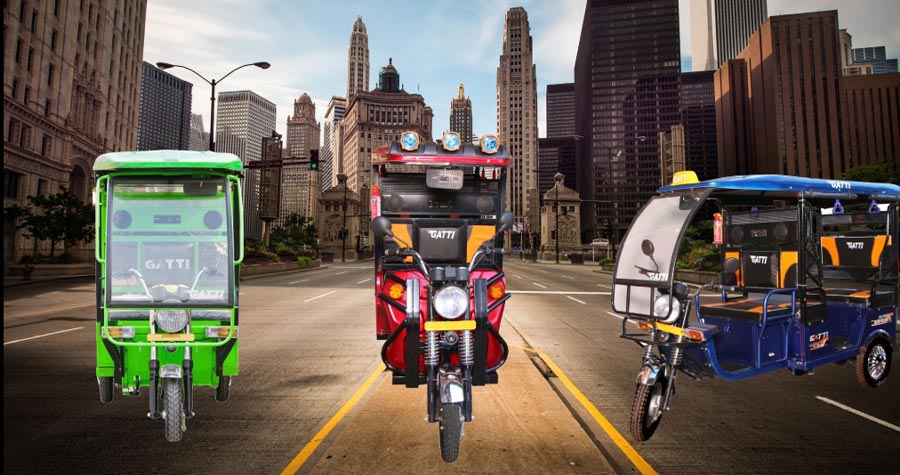
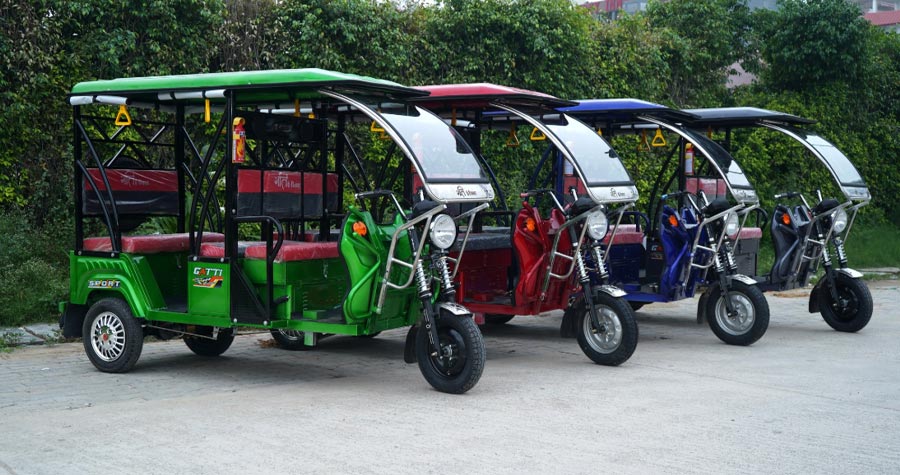
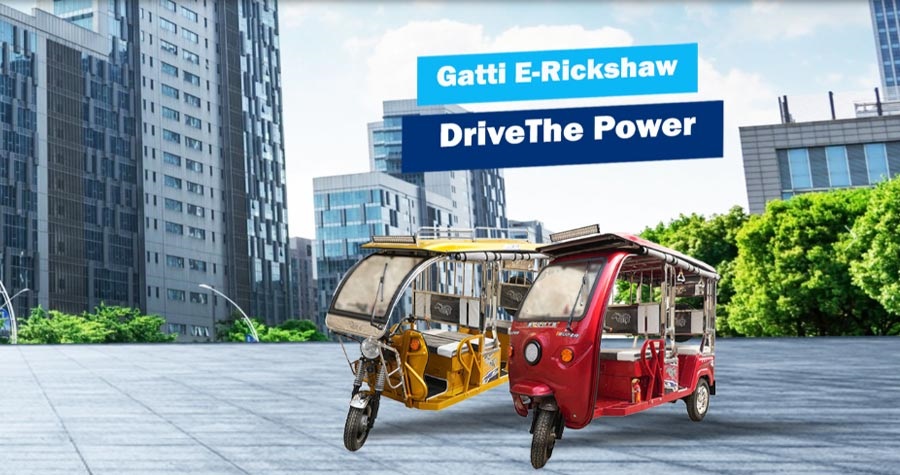
Gatti E-Rickshaw – designed for urban commuters and last-mile connectivity. |
| Commercial Transport EVs |
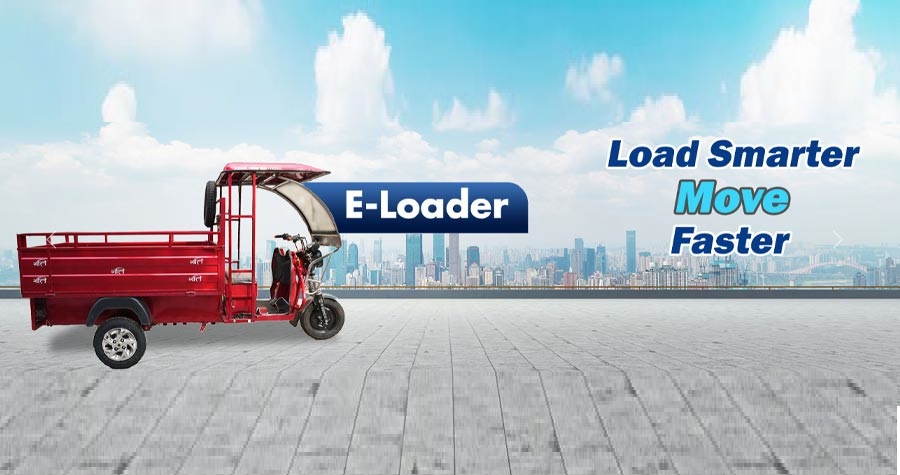
Gatti VIRAZ E-Cart – for cargo delivery and small business applications. |
| Support Services |
Battery swapping, driver training programs, financing options, and technical assistance. |
4. Franchise Structure and Operating Model
| Franchise Partner Role |
Operate a Gatti showroom or EV service outlet and manage sales, customer relations, and vehicle servicing. |
| Responsibilities |
Market and sell vehicles, maintain inventory, manage staff, and provide customer support. |
| Franchisor-Franchisee Interaction |
Gatti provides technical training, marketing support, access to vehicles, and guidance on operations. |
| Operational Expectations |
Outlets maintain consistent service quality, handle on-site vehicle demonstrations, and ensure regulatory compliance. |
5. Franchise Cost and Investment
| Investment Range |
INR 2 Lakh – 5 Lakh covering showroom setup, vehicle inventory, marketing, and initial staff. |
| Franchise Fee |
Not explicitly stated; typical EV franchises include brand use and operational support. |
| Setup Components |
Showroom infrastructure, vehicle display units, service area setup, initial marketing. |
| Ongoing Costs |
Staff salaries, electricity for charging, maintenance support, and royalty (if applicable). |
6. Space and Setup Requirements
| Space Requirement |
1000–1100 Sq.ft for showroom, display, and basic service area. |
| Preferred Locations |
Urban centers, high-traffic areas, near public transport hubs or commercial zones. |
| Equipment Needs |
Vehicle charging stations, display racks, service tools, and office setup. |
| Staffing Requirements |
3–5 employees for sales, service, and administrative roles. |
7. Training and Franchise Support
| Operational Training |
Vehicle handling, EV technology, and service maintenance. |
| Setup Guidance |
Assistance with showroom layout, inventory management, and operational planning. |
| Marketing Support |
Brand promotion, local campaigns, and digital marketing materials. |
| Ongoing Assistance |
Technical support, battery management, and updates on new vehicle models. |
8. Revenue Model and ROI Factors
| Pricing Structure |
Retail pricing for EVs based on model type; optional service and accessory sales. |
| Customer Demand |
Driven by last-mile connectivity needs, environmental regulations, and cost-saving incentives for EV adoption. |
| Repeat Purchase Potential |
High for fleet operators needing additional vehicles; recurring revenue from maintenance and battery programs. |
| Operational Costs |
Low compared to fuel-based vehicles; electricity, maintenance, and staffing are primary costs. |
| Expected Payback Period |
1–2 years depending on sales volume and local demand. |
9. Brand Background and Expansion
| Established Year |
2014 |
| Franchise Commenced |
Not specified |
| Number of Franchise Outlets |
20–50 |
| Geographic Markets |
Primarily India with focus on urban and semi-urban regions. |
| Expansion Strategy |
Increase EV adoption through franchise network, fleet partnerships, and local dealer expansion. |
10. What Makes This Franchise Different
Gatti differentiates itself by manufacturing ARAI-certified, locally produced E-Rickshaws and E-Carts, unlike many competitors who rely on imported vehicles. This ensures quality control, compliance with safety standards, and cost efficiency. The franchise emphasizes eco-conscious mobility, offering integrated solutions such as driver training, battery management, and financing support to optimize adoption.
11. Key Advantages of the Franchise
- Growing demand for sustainable urban mobility solutions.
- Affordable franchise investment with short expected payback.
- Access to certified, high-performance EVs.
- Technical and operational support from the manufacturer.
- Potential for repeat business through fleet services and maintenance programs.
12. Who Should Consider This Franchise
- Entrepreneurs interested in the electric vehicle and sustainable mobility sector.
- Investors seeking short-term ROI with moderate operational complexity.
- Small business owners targeting urban passenger transport or commercial delivery markets.
- Individuals aiming to participate in green technology and eco-friendly business models.
Similar Franchise Opportunities
- Mahindra Electric Mobility
- Kinetic Green Energy
- Ather Energy
- Okinawa Scooters
- Euler Motors
Automotive
Electric Vehicles
B2C
Owner-Operated
Individual