



Omega Seiki Mobility Franchise
Brand & Franchise Snapshot
| Brand Name | Omega Seiki Mobility |
|---|---|
| Industry | Electric Vehicles (EV) / Commercial Mobility |
| Business Category | Commercial Electric Vehicle Sales & Service |
| Founded Year | 2018 |
| Franchise Started | 2019 |
| Total Franchise Outlets | 200–500 |
| Estimated Investment | INR 20–30 Lakhs |
| Franchise Fee | INR 3,00,000 |
| Royalty Fee | Typically structured as a percentage of sales or service revenue to support brand systems and ongoing support |
| Space Requirement | 1,500–2,000 sq. ft. |
| Staff Requirement | Sales executives, service technicians, and administrative staff |
| Expected Payback Period | 1–2 Years |
1. What is Omega Seiki Mobility?
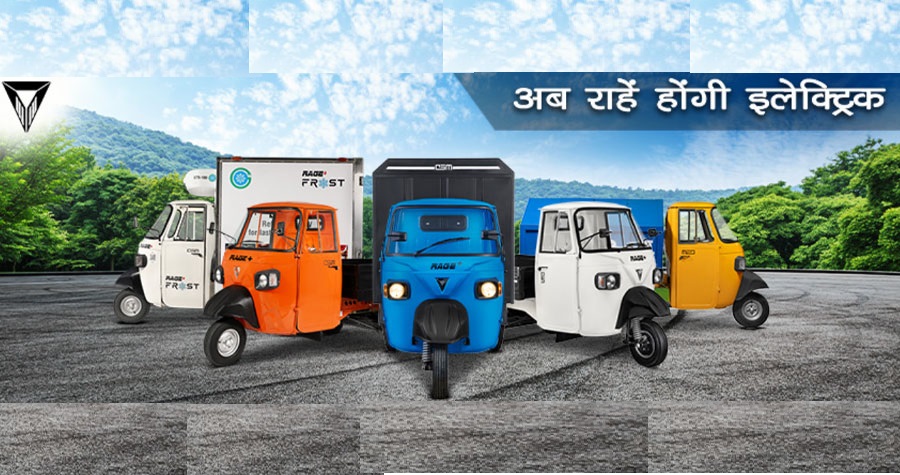
Omega Seiki Mobility is a commercial electric vehicle company operating in the EV manufacturing and mobility solutions sector. The business focuses on electric vehicles designed for logistics, last-mile delivery, and commercial transport use cases.
It belongs to the broader EV dealership and mobility franchise category, where franchise partners typically operate sales, service, and support centers for electric commercial vehicles.
2. How the Business Works
The franchise operates as a combination of vehicle dealership and service center.
Customers—primarily businesses and fleet operators—engage with the outlet to evaluate, purchase, or maintain electric vehicles. The process typically involves:
- Vehicle demonstration and sales consultation
- Order placement and delivery coordination
- After-sales servicing and maintenance
- Ongoing customer support and fleet assistance
Revenue is generated through vehicle sales margins, servicing income, and potentially value-added services such as maintenance contracts.
3. Products or Services Offered
Franchise outlets handle a range of commercial EV-related offerings:
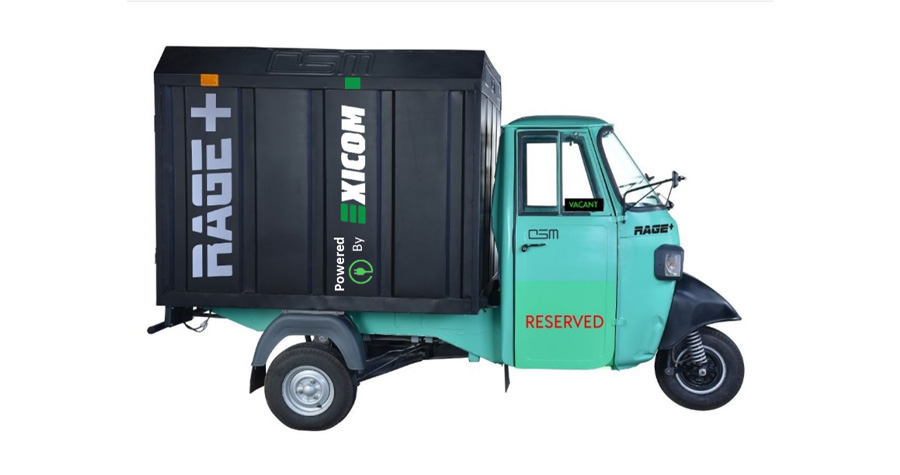
| Electric Cargo Vehicles | Used for last-mile delivery and logistics |
|---|---|
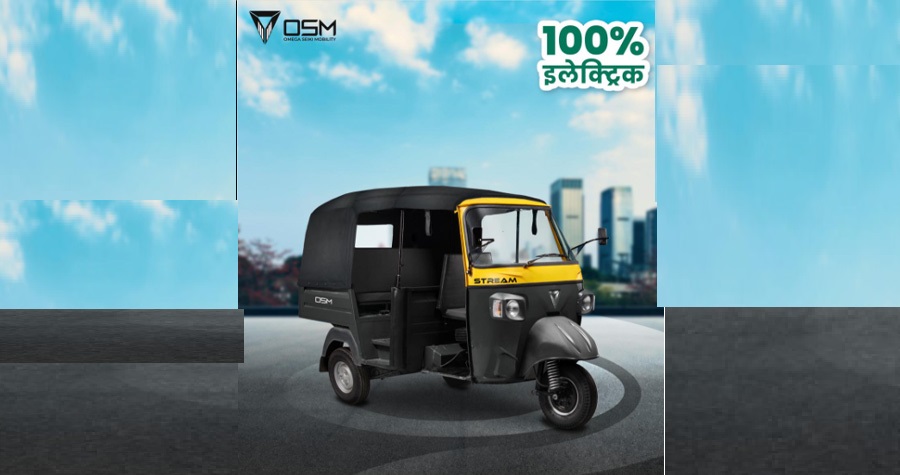
| Electric Passenger Vehicles | Designed for intra-city transport |
| Fleet Solutions | Support for businesses operating multiple vehicles |
| After-Sales Services | Maintenance, repairs, and spare parts |
| Technology-Enabled Services | Fleet tracking, analytics, and performance monitoring |
The portfolio is aligned with growing demand for sustainable commercial transport.
4. Franchise Structure and Operating Model
The franchise model is designed for partners to operate as authorized dealers and service providers.
Core structure includes:
- Franchisees manage showroom operations and local market development
- The franchisor supplies vehicles, technical standards, and operational guidelines
- Sales, customer engagement, and service delivery are handled at the outlet level
- Brand consistency is maintained through standardized processes and systems
This structure allows centralized product control with decentralized sales execution.
5. Franchise Cost and Investment
Starting an Omega Seiki Mobility franchise involves moderate capital investment relative to automotive businesses.
Cost components include
| Initial Investment | Covers showroom setup, workshop infrastructure, and equipment |
|---|---|
| Franchise Fee | One-time payment for dealership rights and onboarding |
| Inventory Costs | Stocking vehicles or managing order-based delivery |
| Operational Expenses | Staffing, utilities, and local marketing |
| Royalty or Service Fees | Ongoing payments that typically support brand operations, training, and network development |
The investment reflects a smaller-scale automotive dealership model focused on EVs.
6. Space and Setup Requirements
The outlet requires a hybrid showroom and service setup.
Key requirements
| Area | 1,500–2,000 sq. ft. to accommodate display and service areas |
|---|---|
| Location | Commercial zones, industrial areas, or logistics hubs |
| Infrastructure | — |
- Vehicle display space
- Service and repair area
- Customer interaction zone
- Staffing:
- Sales representatives
- EV technicians
- Basic administrative support
The setup is designed to support both sales and after-sales operations.
7. Training and Franchise Support
Franchise partners typically receive structured support from the company.
Support systems may include:
| Technical Training | Guidance on EV systems, diagnostics, and servicing |
|---|---|
| Sales Training | Product knowledge and customer handling processes |
| Setup Assistance | Help with showroom layout and operational launch |
| Marketing Support | Brand-level campaigns and promotional guidelines |
| After-Sales Systems | Tools and processes for service management |
These systems help maintain operational consistency across locations.
8. Revenue Model and ROI Factors
Revenue generation is based on multiple streams.
Key drivers include
| Vehicle Sales Margins | Profit earned per unit sold |
|---|---|
| Service Revenue | Maintenance and repair income |
| Fleet Contracts | Bulk sales and long-term service agreements |
| Repeat Business | Ongoing servicing needs of commercial vehicles |
Demand is influenced by growth in e-commerce, logistics, and urban delivery services.
The stated payback period suggests a moderate recovery timeline, dependent on sales volume and service utilization.
9. Brand Background and Expansion
The company began operations in 2018 and entered franchising in 2019. Within a relatively short period, it has built a sizeable network of franchise outlets, indicating a distribution-led growth strategy.
Expansion is focused on:
- Increasing dealership presence across regions
- Supporting EV adoption in commercial transport
- Building service infrastructure alongside sales channels
The brand’s scale reflects alignment with broader EV adoption trends.
10. What Makes This Franchise Different
Unlike traditional automotive dealerships focused on internal combustion vehicles, this model is built around electric commercial mobility. The integration of vehicle sales with technology-enabled fleet management and sustainability-driven transport solutions creates a different operational focus.
The business is closely tied to logistics and last-mile delivery ecosystems, rather than individual consumer vehicle sales.
11. Key Advantages of the Franchise
- Rising demand for electric commercial vehicles
- Alignment with sustainability and regulatory trends
- Multiple revenue streams from sales and servicing
- Scalable dealership model across regions
- Ongoing technical and operational support
12. Who Should Consider This Franchise
This opportunity may suit:
- Entrepreneurs entering the automotive or EV sector
- Existing automobile dealers expanding into electric mobility
- Investors interested in logistics and transport ecosystems
- Business owners with access to commercial customer networks
Operational understanding of sales and service management is beneficial.
Similar Franchise Opportunities
Investors exploring the EV and automotive dealership category may also consider:
- Mahindra Electric
- Tata Motors
- Ashok Leyland
- Piaggio Vehicles
- Euler Motors
These companies operate in the commercial vehicle and electric mobility space, offering comparable dealership or distribution-based business opportunities.

What is the investment required for Omega Seiki Mobility franchise?
The investment typically ranges between INR 20 and 30 lakhs. This includes showroom setup, service infrastructure, and initial operational expenses. Additional working capital may be required depending on inventory strategy and scale of operations.
How does the Omega Seiki Mobility franchise business operate?
The franchise operates as a dealership and service center for commercial electric vehicles. It involves vehicle sales, customer consultation, delivery coordination, and after-sales servicing, with a focus on commercial clients such as fleet operators and logistics companies.
What space is required for the franchise?
A space of approximately 1,500 to 2,000 square feet is needed. This allows for vehicle display, service operations, and customer interaction areas within the same facility.
How long does it take to recover the investment?
The expected payback period is around 1 to 2 years. Recovery depends on factors such as sales volume, service revenue, location advantages, and the ability to secure fleet customers.
How can investors apply for the franchise?
Investors can apply by contacting the company’s franchise or dealership team, submitting business details, and discussing location and investment capacity. The process typically includes evaluation, agreement signing, and setup planning before operations begin. ## Similar Franchise Opportunities
