


Baby World Store Franchise
Franchise Quick Facts
| Brand Name | Baby World Store |
|---|---|
| Industry / Business Category | Retail (Children’s Apparel) |
| Founded Year | 2010 |
| Franchise Started Year | Not specified |
| Total Franchise Outlets | 20 to 50 |
| Estimated Investment | INR 20,00,000 – INR 30,00,000 |
| Franchise Fee | Not specified |
| Royalty Fee | Not specified |
| Space Requirement | 600 – 2000 sq. ft. |
| Staff Requirement | Not specified |
| Expected Payback Period | 8 – 10 months |
1. What is Baby World Store?
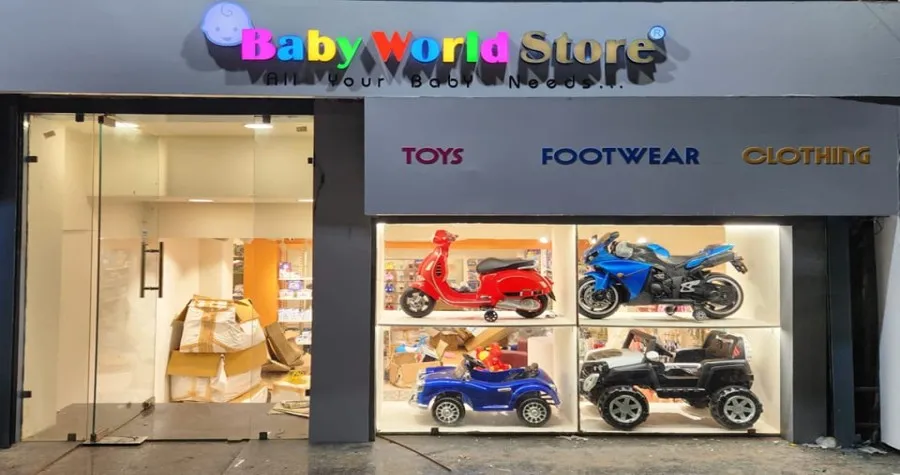
Baby World Store is a franchise-based retail brand operating in the children’s apparel sector, offering clothing and related products for infants, toddlers, and school-age children through multi-category retail outlets.
The business focuses on providing a wide selection of children’s clothing across age groups, combining everyday essentials, schoolwear, and seasonal fashion items for parents seeking convenience and variety in one location.
2. How the Business Works
The business follows a retail store model designed for family-oriented shopping.
Customer interaction typically includes:
- Parents visiting the store to browse clothing for different age groups
- Selecting products based on size, occasion, and season
- Purchasing items for daily wear, school, or special occasions
Operational workflow involves:
- Maintaining categorized inventory across age segments
- Displaying products by category and season
- Assisting customers with sizing and selection
Revenue is generated through:
- Sale of children’s apparel and accessories
- Repeat purchases driven by growth cycles and seasonal needs
The model depends on consistent footfall, product variety, and repeat demand from families.
3. Products or Services Offered
Newborn Essentials
- Onesies, rompers, and sleepwear
- Soft fabric clothing designed for infants
Toddler Clothing
- Casual wear including t-shirts, pants, dresses, and sweaters
- Durable clothing suited for active use
Schoolwear
- Uniforms and daily school clothing
- Practical apparel for regular use
Casual and Trend-Based Clothing
- Graphic t-shirts, jackets, and modern styles
- Fashion-oriented items for older children
Seasonal Collections
- Summer and winter clothing
- Occasion-based outfits for festivals and events
Product Characteristics
- Focus on comfort, durability, and usability
- Fabrics designed for frequent washing and daily use
4. How the Franchise Model Works
The franchise model is structured around operating a children’s clothing retail store.
Role of the Franchise Partner
- Set up and manage the retail outlet
- Handle inventory, merchandising, and sales
- Manage customer service and store operations
Operational Structure
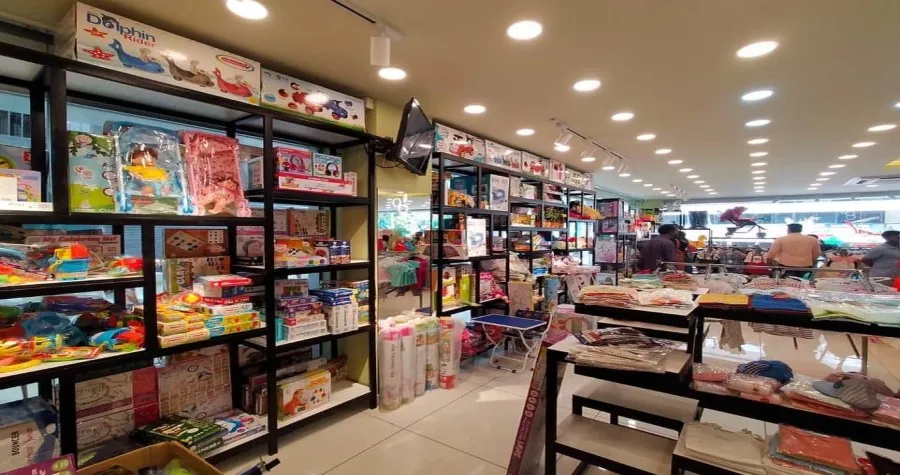
- Store-based retail format with categorized product display
- Inventory supplied through brand channels
- Focus on walk-in customers and family shoppers
Franchisor–Franchisee Interaction
- The franchisor provides product supply, branding, and operational guidance
- Franchise partners manage day-to-day store execution
This model supports expansion through location-based retail outlets.
5. Franchise Cost and Investment Overview
Estimated Investment
- INR 20,00,000 to INR 30,00,000
Cost Components
- Store interiors and fixtures
- Initial inventory across product categories
- Branding and signage
- Working capital for operations
Fees and Charges
- Franchise fee: Not specified
- Royalty fee: Not specified
The investment reflects a mid-sized retail store with inventory requirements.
6. Space and Infrastructure Requirements
Space Requirement
- 600 to 2000 sq. ft.
Location Preferences
- Shopping streets, malls, or residential catchment areas
- Locations with high family footfall
Infrastructure Needs
- Display racks and shelving systems
- Trial rooms and billing counters
- Storage space for inventory
Staffing Requirements
- Sales staff for customer assistance
- Store manager for operations
7. Training and Franchise Support
Franchise partners receive operational and retail support.
Training Support
- Product knowledge and inventory handling
- Customer service and sales techniques
Setup Support
- Store layout and merchandising guidance
- Assistance during launch
Ongoing Support
- Marketing and branding initiatives
- Product updates and inventory supply
- Operational guidance
These systems help ensure consistent store experience and product presentation.
8. Revenue Model and ROI Factors
Revenue Streams
- Sale of children’s clothing and related products
- Seasonal and occasion-based sales
Demand Drivers
- Continuous demand due to children’s growth cycles
- Seasonal clothing requirements
- Schoolwear and event-based purchases
Customer Retention
- Repeat purchases as children outgrow clothing
- Ongoing demand from families
Payback Period
- Estimated between 8 to 10 months
Profitability Factors
- Inventory turnover rate
- Store location and customer footfall
- Product mix and pricing strategy
9. Brand History and Expansion
The brand was established in 2010 and has expanded to a network of 20 to 50 outlets.
It operates across multiple locations in India, indicating a growing retail presence.
Expansion is driven through franchise-led store openings in family-centric retail markets.
10. Key Advantages of the Franchise
- Operates in the children’s apparel segment with recurring demand
- Multi-category product offering across age groups
- Repeat purchase cycle driven by child growth
- Established multi-location retail presence
- Mid-scale store format suitable for urban markets
- Ongoing product supply and operational support
11. Investor Questions
What is the investment required for Baby World Store franchise?
The estimated investment ranges from INR 20 lakh to INR 30 lakh, covering store setup, inventory, and operational costs.
How does the Baby World Store franchise business work?
The franchise operates as a retail outlet selling children’s clothing across multiple categories. Revenue is generated through in-store sales and repeat purchases from families.
What space is required for this franchise?
A retail space between 600 and 2000 sq. ft. is required, depending on the store format and location.
How long does it take to recover the investment?
The expected payback period is approximately 8 to 10 months, depending on sales performance and location.
How can investors apply for the franchise?
Investors can apply by submitting an enquiry to the brand, completing the evaluation process, and proceeding with store setup and onboarding.
Accepting franchise applications in 35 states & UTs